


![【徳島】日本の重要湿地500、伊島の野尾辺湿原 – [Tokushima] Noobe Wetland at Ishima island](https://yousakana.jp/wp-content/uploads/2026/06/noobe-wetland_ishima-island_tokushima-1-800x534.jpg)
![【香川】一生に一度は行きたい『こんぴらさん』長い石段を登ってお参り – [Kagawa] “Kotohiragu shrine (Konpirasan)”](https://yousakana.jp/wp-content/uploads/2017/04/konpira-sakura-800x536.jpg)
![【閉店】瀬戸内の旬の味、料理「遊」 – [Closed] Seasonal cuisine of Setouchi “Yū”](https://yousakana.jp/wp-content/uploads/2015/12/DSC_2930-800x533.jpg)
![【香川】ミヤモト惣菜店 – [Kagawa] Miyamoto Souzaitenten Delicatessen](https://yousakana.jp/wp-content/uploads/2020/04/miyamoto-sozaiten_00-800x534.jpg)

![【香川県指定史跡】車で行ける瀬戸内の島、沙弥島(しゃみじま)のナカンダ浜 - [Historic site by Kagawa pref.] Nakandahama beach of Shamijima island](https://yousakana.jp/wp-content/uploads/2026/07/Nakandahama-beach-973x649.jpg)
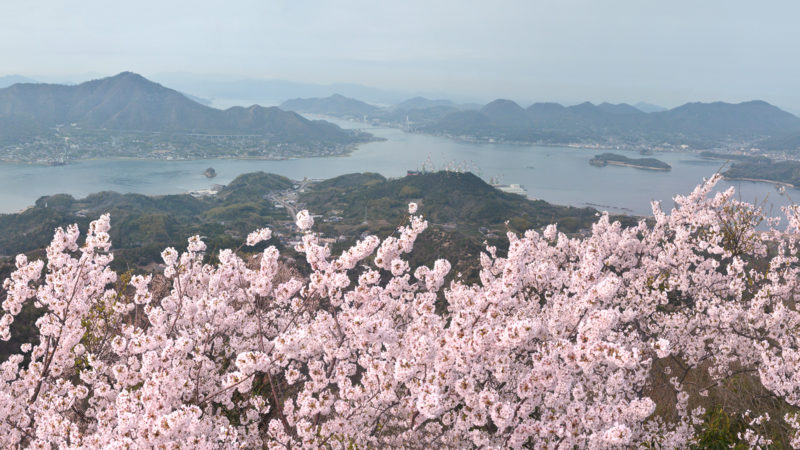
瀬戸内海に浮かぶ沙弥島(しゃみじま)のナカンダ浜は、かつて島だったものの埋め立てによって陸続きとなり、香川県側から車で気軽に訪れることができます。そのアクセスの良さから、瀬戸内国際芸術祭の会場の中でも人気の高いスポットです。この浜は、縄文時代から古墳時代にかけて製塩が行われた「沙弥ナカンダ浜遺跡」として知られ、多数の製塩土器や、香川県では珍しい2基の製塩炉跡が発見されています。古くから瀬戸内海の塩づくりを支えた歴史を今に伝える貴重な場所です。
Nakanda Beach on Shami Island, situated in the Seto Inland Sea, was once an island but has since been connected to the mainland by land reclamation, making it easily accessible by car from Kagawa Prefecture. Thanks to its ease of access, it is one of the most popular venues of the Setouchi International Art Festival. This beach is known as the ‘Shami Nakanda Beach Archaeological Site’, where salt production took place from the Jōmon period through to the Kofun period; numerous salt-making pottery vessels and the remains of two salt-making furnaces—a rarity in Kagawa Prefecture—have been discovered here. It is a valuable site that conveys to the present day the history of salt production in the Seto Inland Sea, which has been a cornerstone of the region’s economy since ancient times.
砂浜越しに望む瀬戸大橋と、浜辺に佇む一本のエノキの風景も印象的です。この景観は、日本画家・東山魁夷が瀬戸大橋の橋梁色を「ライトグレー」と指定する際にも着想を与えたとされ、瀬戸内らしい穏やかな海と美しい風景が広がります。「ナカンダ」の語源は定かではありませんが、西の城山と東の新地山に囲まれた地形は、海・山・湿地の恵みにあふれ、古代から人々が暮らしやすい環境だったと考えられています。歴史と自然、そして瀬戸内らしい景観が調和する、訪れる人を魅了する砂浜です。
The view of the Seto Ohashi Bridge across the sandy beach, together with the solitary enoki tree standing on the shore, is also striking. It is said that this landscape inspired the Japanese painter Kaii Higashiyama when he specified ‘light grey’ as the colour for the Seto Ohashi Bridge; the scene is characterised by the calm sea and beautiful scenery so typical of the Seto Inland Sea. Although the etymology of the name ‘Nakanda’ is unclear, the terrain—enclosed by Mount Shiroyama to the west and Mount Shinchiyama to the east—is abundant with the bounty of the sea, mountains and wetlands, and is believed to have provided a favourable environment for human habitation since ancient times. It is a sandy beach that captivates visitors with its harmonious blend of history, nature and the distinctive scenery of the Seto Inland Sea.
ナカンダ浜
住所:香川県坂出市沙弥島(しゃみじま) [Google Map]
指定:香川県指定史跡(1989年/平成元年)
遺跡:縄文時代、弥生時代、古墳時代
製塩遺跡:敷石炉と焼き塩炉の二種類の製塩炉跡
Nakandahama beach
Address : Shamijima island, Sakaide city, Kagawa pref., Japan [Google Map]
Designation: Kagawa Prefecture Designated Historic Site (1989 / Heisei 1)
Archaeological sites: Jōmon, Yayoi and Kofun periods
Salt-making sites: Remains of two types of salt-making furnaces—stone-paved furnaces and salt-baking furnaces
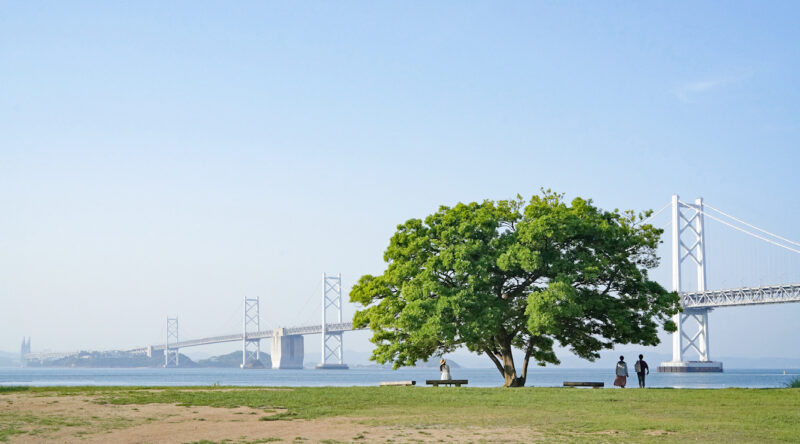
大きな榎(エノキ / Chinese Hackberry)の樹が印象的です。江戸時代には街道の一里塚として植えられた樹で、建築や道具の材料としても使われます。
The large Chinese hackberry tree is a striking sight. Planted during the Edo period to mark a milestone along the highway, the wood is also used for construction and to make tools.
瀬戸大橋のライトグレーは、画家の東山魁夷さんが指定した色です。
The light grey colour of the Seto Ohashi Bridge was specified by the painter Kaii Higashiyama.

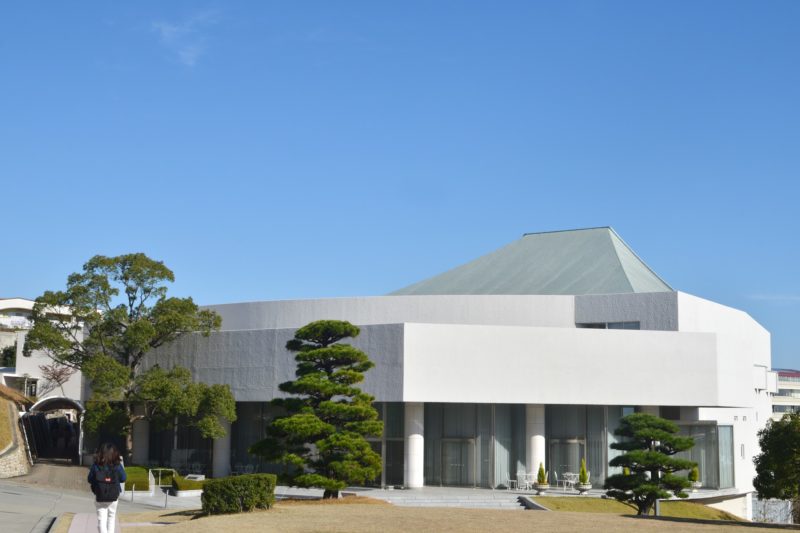
近くには、東山魁夷せとうち美術館もあります。瀬戸大橋の架橋の島、櫃石島は東山魁夷さんの祖父の出生の地ということで、櫃石島を望むことができるここに美術館が開館しました。建築設計は、谷口吉生さん。

Nearby is the KAGAWA PREFECTURAL HIGASHIYAMA KAII SETOUCHI ART MUSEUM. Hitsuishi Island, the island spanned by the Seto Ohashi Bridge, is the birthplace of Kaii Higashiyama’s grandfather, and the museum was opened here, offering views of the island. The building was designed by Yoshio Taniguchi.
製塩土器のかけら
Fragments of pottery used for salt production

造船所。


沙弥島には、島のあちこちに、旧石器・縄文・弥生時代の遺跡や古墳、文学碑が数多く散在しています。 なかでも万葉の歌人柿本人麻呂ゆかりの歌碑や、讃岐の五大師の一人「理源大師」に因んだ旧跡などはよく知られており、これを目的として島を訪れる歴史・文学愛好者たちも多くいます。 島内には、主要な史跡などをめぐる快適な遊歩道なども整備されています。 瀬戸内の四季の風光を満喫しながら、ゆったりと、この万葉の島ならではの歴史文学散歩を楽しむことができます。 島の最北端に突き出した長崎鼻の南にある「柿本人麿碑」は、人麻呂が、この島に船を着けて「石中死人を視て作歌」し、その心を敬慕した作家中河与一氏が、昭和11年に建立した記念碑です。 また、この石碑に隣接した海岸線には「人麻呂岩」があり、人麻呂が沙弥に漂着して視た”石中の死者”が、この岩の附近にあったと伝えられています。
沙弥ナカンダ浜遺跡
沙弥ナカンダ浜遺跡は、県下でもまれな縄文遺跡で、縄文土器が出土する遺跡として研究者の注目を集めています。数回にわたる発掘調査が行われ、従来の縄文遺物のほかに、弥生時代から古墳時代にかけての製塩遺跡の存在が確認され、製塩生産に関係する敷石炉や焼き塩炉、更に弥生時代前期の遺物なども検出されました。現在、製塩遺跡に代表される海浜遺跡の多くが消滅していくなかで、沙弥ナカンダ浜遺跡は縄文時代から弥生時代を経て古墳時代にいたる遺構が良好に保たれていることなどから、県指定史跡に指定されています。沙弥ナカンダ浜の地名の由来については、『中の田(畑)』がなまってナカンダとなった説と、北の浦をキタンダ、西の浦をニシンダという方言から『中の浦』をナカンダといったとする説の2つがあります。
Scattered throughout Shami Island are numerous archaeological sites from the Palaeolithic, Jōmon and Yayoi periods, as well as ancient burial mounds and literary monuments. Among these, the monument inscribed with a poem by the Man’yōshū poet Kakinomoto no Hitomaro and the historic sites associated with ‘Rigen Daishi’—one of the Five Great Masters of Sanuki—are particularly well known, attracting many history and literature enthusiasts who visit the island specifically to see them. Comfortable walking trails have been laid out across the island, taking visitors past the main historical sites. You can enjoy a leisurely stroll through the history and literature unique to this ‘Island of the Man’yōshū’, whilst taking in the scenic beauty of the Seto Inland Sea throughout the four seasons. The ‘Kakinomoto no Hitomaro Monument’, situated south of Nagasaki-hana—which juts out at the northernmost tip of the island—is a memorial erected in Shōwa 11 by the writer Yoichi Nakagawa, who deeply admired Hitomaro’s spirit after the poet had moored his boat on this island and composed a poem upon seeing ‘a dead person within a rock’. Furthermore, on the coastline adjacent to this monument lies ‘Hitomarō Rock’; it is said that the ‘dead man within the stone’ which Hitomarō saw when he was washed ashore at Shami was located near this rock.
Shami Nakanda Beach Site
The Shami Nakanda Beach Site is a rare Jōmon-period archaeological site within the prefecture and has attracted the attention of researchers as a site where Jōmon pottery has been unearthed. Following several excavation surveys, in addition to conventional Jōmon artefacts, the existence of salt-making remains dating from the Yayoi period through to the Kofun period has been confirmed; stone-paved furnaces and salt-baking kilns associated with salt production, as well as artefacts from the Early Yayoi period, have also been discovered. At a time when many coastal sites, such as those associated with salt production, are disappearing, the Shami Nakanda-hama Site has been designated a Prefectural Historic Site, largely due to the well-preserved remains spanning the Jōmon, Yayoi and Kofun periods. Regarding the origin of the place name ‘Shami Nakanda-hama’, there are two theories: one suggests that ‘Nakanda’ is a corruption of ‘Naka no Ta’ (meaning ‘middle field’); the other proposes that, based on the local dialect terms ‘Kitanda’ for the northern bay and ‘Nishinda’ for the western bay, ‘Nakanda’ refers to the ‘middle bay’.
コメントを残す