


![【香川】当たり前のものが当たり前に美味しい。丁寧で美味しいご飯『Nöra(ノラ)』 – [Kagawa] Delicious Cuisine and tea “Nora”](https://yousakana.jp/wp-content/uploads/2021/12/nora_restaurant_cafe_busshozan_kagawa-800x534.jpeg)

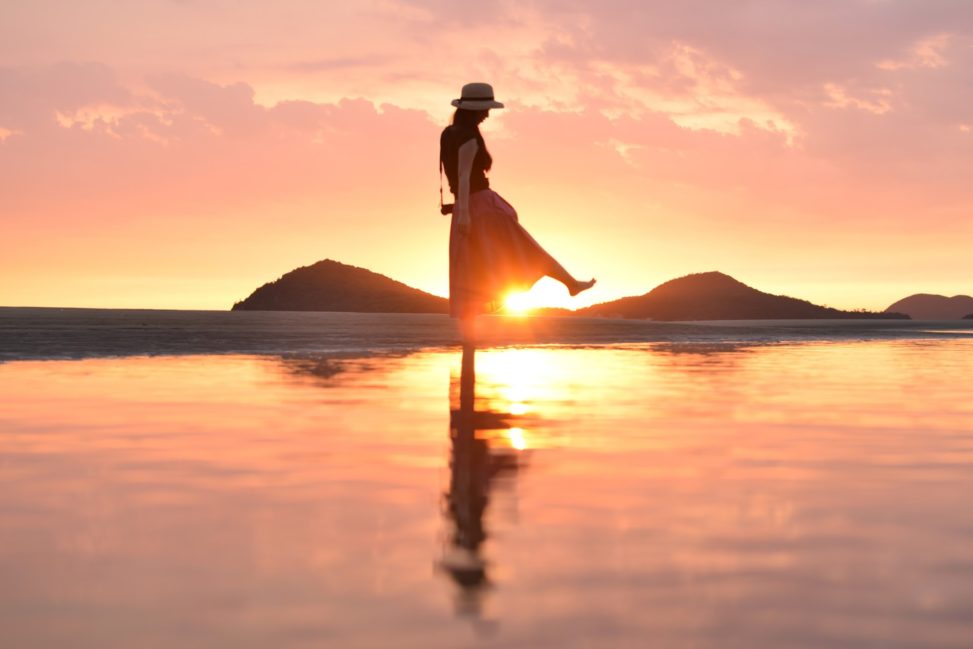
父母ヶ浜は、香川県三豊市仁尾町に広がる、約1kmにわたる遠浅の海岸です。瀬戸内海に面した西向きの浜辺は、美しい夕景で知られ、近年は“日本のウユニ塩湖”とも呼ばれる絶景スポットとして全国的に注目を集めています。
干潮時に浜辺にできる潮だまりに、夕焼け空や人影が鏡のように映り込む幻想的な風景が特徴です。特に夏の夕暮れ時には、山風と海風が入れ替わる「夕凪(ゆうなぎ)」によって無風状態になりやすく、水面はまるで鏡のような美しさを見せます。
絶景が見られる条件は、
* 干潮と日の入りの時間が重なること
* 風がなく水面が穏やかなこと
* 日没前後約30分の“マジックアワー”
この3つがそろった時。空と海の境界が溶け合うような風景が広がり、多くの人が写真撮影に訪れます。
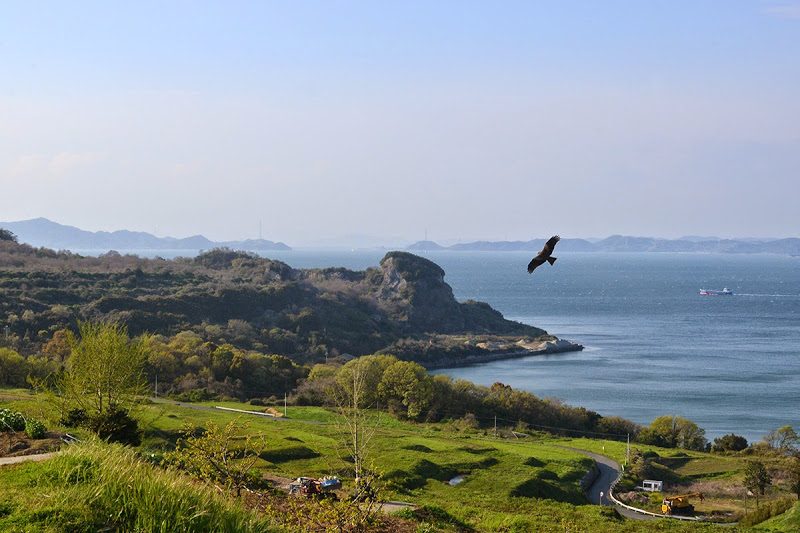
浜辺からは、いりこの産地として知られる 伊吹島 の姿も望め、瀬戸内らしい穏やかな風景を楽しめます。裸足で砂浜を歩きながら、潮風と夕景に包まれる時間は、まさに非日常。瀬戸内海の静かな美しさを体感できる場所です。
Chichibugahama beach is a shallow, sandy beach stretching for approximately 1 km in Nio Town, Mitoyo City, Kagawa Prefecture. Facing the Seto Inland Sea, this west-facing beach is renowned for its beautiful sunsets and has recently attracted nationwide attention as a scenic spot often referred to as ‘Japan’s Uyuni Salt Flats’.
It is characterised by the magical scenery created when the sunset sky and silhouettes of people are reflected like a mirror in the pools of water that form on the beach at low tide. Particularly at dusk in summer, the ‘Yunagi’—a lull when mountain and sea breezes shift—often creates windless conditions, making the water’s surface as beautiful as a mirror.
The conditions required to witness this spectacular view are:
* Low tide coinciding with sunset
* Calm waters with no wind
* The ‘magic hour’ of approximately 30 minutes before and after sunset
When these three conditions come together, a landscape unfolds where the boundary between sky and sea seems to melt away, attracting many visitors keen to capture the scene on camera.
From the beach, you can also catch a glimpse of Ibuki Island, renowned as a producer of dried sardines, and enjoy the gentle scenery typical of the Seto Inland Sea. Walking barefoot along the sandy shore, enveloped by the sea breeze and the evening scenery, is a truly extraordinary experience. It is a place where you can truly experience the quiet beauty of the Seto Inland Sea.
父母ヶ浜(ちちぶがはま)
住所:香川県三豊市仁尾町仁尾乙203-3 [Google Map]
電話:0875-56-5880(三豊市観光交流局)
駐車:一般車・小型バス 無料
Chichibu gahama beach
Address : Tenno, Nio town, Mitoyo city, Kagawa pref., Japan [Google Maps]
Tel : 0875-56-5880
2011年07月10日 撮影

父母ヶ浜は、なぜ「映える」のか。
香川県三豊市仁尾町の父母ヶ浜。干潮時に現れる潮だまりが夕空を鏡のように映し、瀬戸内海の多島美と夕日が重なる、いまや世界的にも知られる絶景です。その美しさを生み出しているのは、干満差の大きな瀬戸内海、西向きの砂浜、穏やかな「瀬戸の夕凪」、細かな砂、そして多島美。自然がつくり出した条件が重なっています。しかし、現在の父母ヶ浜は「自然のまま残った海岸」というわけではありません。かつてこの場所では塩田が営まれ、1970年代まで製塩業が地域を支えていました。その後、干拓地には太陽熱発電所がつくられ、1980年代には博覧会も開催されました。さらに1990年代には、父母ヶ浜を埋め立てて工業用地として開発する計画が進められました。当時の浜は漂着ごみも多く、決して現在のような観光地ではありませんでした。そんな中、1994年に地元有志が「ちちぶの会」を結成し、海岸清掃を始めます。活動はその後も続き、地域の人たちによって長い年月をかけて浜の環境が守られてきました。
ただし、ここで一つ大切なことがあります。父母ヶ浜の開発計画が止まったのは、清掃活動や反対運動が直接の原因だったわけではありません。大きな転機となったのは、1990年代のバブル崩壊でした。つまり、現在残されている美しい海岸は、「地域住民が開発に勝利して守った」という単純な物語ではありません。経済成長を求めて開発しようとしたこと。その計画が経済状況の変化によって実現しなかったこと。そして、その後、地域の人たちが海岸を清掃し続けたこと。さらに時代が変わり、その風景そのものが観光資源として評価されるようになったこと。さまざまな偶然と人の営みが重なって、いまの父母ヶ浜があります。だからこそ、父母ヶ浜を「地方創生」や「観光振興」の成功事例としてだけ見ることには、少し注意が必要だと思います。観光客が増えれば、地域にお金が落ち、雇用が生まれ、地域の環境を守る力になる。
一方で、観光客が増えるほど、清掃、交通整理、施設維持、自然環境への負荷など、地域が負担するコストも増えていきます。また、「地域を活性化する」という名目で行われる開発が、必ずしも地域の暮らしや環境、文化を豊かにするとは限りません。経済成長そのものが悪いわけではありません。大切なのは、経済、環境、文化を対立させるのではなく、どうすれば両立させられるのかを考えること。観光によって生まれた経済的な価値を、景観や環境を守る人たちに還元する。地域の文化や自然を「消費する」のではなく、次の世代へ引き継ぐ。そして、開発によって失われるものと、得られるものをきちんと考える。それが本当の意味での「豊かな地域」をつくることなのではないでしょうか。父母ヶ浜の夕景は、とても美しい。でも、その写真の向こう側には、経済発展と環境、観光と暮らし、開発と文化をどう両立させるのかという、地方の未来を考えるための物語があります。「映える場所」を訪れるだけでなく、その風景がなぜここに残り、誰によって支えられているのか。そんなことにも思いを馳せてみたい場所です。
Why is Chichibugahama such an ‘Instagrammable’ spot?
Chichibugahama, located in Nio-chō, Mitoyo City, Kagawa Prefecture. The tidal pools that appear at low tide reflect the evening sky like a mirror, creating a breathtaking view—now recognised worldwide—where the scenic beauty of the Seto Inland Sea’s many islands blends with the setting sun. This beauty is created by a combination of factors: the Seto Inland Sea’s significant tidal range, the west-facing sandy beach, the calm ‘Seto evening calm’, the fine sand, and the archipelago’s scenic beauty. These conditions, crafted by nature, all come together here. However, Chichibugahama today is not a ‘coastline left in its natural state’. Salt pans were once operated here, and the salt-making industry supported the local community until the 1970s. Subsequently, a solar thermal power station was built on the reclaimed land, and an exposition was held there in the 1980s. Furthermore, in the 1990s, plans were put forward to reclaim Chichibogahama and develop it as industrial land. At that time, the beach was littered with drift debris and was by no means the tourist destination it is today. Against this backdrop, in 1994, a group of local volunteers formed the ‘Chichibu no Kai’ and began cleaning up the beach. These activities have continued ever since, and the beach’s environment has been preserved by the local community over many years.
However, there is one important point to note here. The fact that the development plans for Chichibu Beach were halted was not directly due to the clean-up activities or the opposition movement. The major turning point was the bursting of the economic bubble in the 1990s. In other words, the beautiful coastline that remains today is not simply the result of ‘local residents triumphing over development and protecting it’. The desire to develop the area in pursuit of economic growth; the fact that these plans failed to materialise due to changes in the economic climate; the continued efforts of local residents to clean the beach thereafter; and, as times changed, the landscape itself coming to be recognised as a tourist attraction. It is the convergence of various coincidences and human endeavour that has shaped Chichibogahama as it is today. For this very reason, I believe we must exercise some caution when viewing Chichibogahama solely as a success story of ‘regional revitalisation’ or ‘tourism promotion’. An increase in tourists brings money into the local area, creates jobs and provides the means to protect the local environment.
On the other hand, as the number of tourists rises, so too do the costs borne by the local community—such as cleaning, traffic management, facility maintenance and the strain on the natural environment. Furthermore, development carried out in the name of ‘revitalising the region’ does not necessarily enrich local lifestyles, the environment or culture. Economic growth in itself is not a bad thing. What is important is not to pit the economy, the environment and culture against one another, but to consider how they can be reconciled. The economic value generated by tourism should be channelled back to those who protect the landscape and the environment. Rather than ‘consuming’ the region’s culture and nature, we must pass them on to the next generation. And we must carefully weigh up what is lost and what is gained through development. Is this not what it truly means to create a ‘prosperous region’? The sunset at Chichibogahama is truly beautiful. Yet, beyond that photograph lies a story about the future of rural areas—one that explores how to reconcile economic development with the environment, tourism with daily life, and development with culture. It is a place where one should not merely visit an ‘Instagrammable spot’, but also reflect on why that landscape remains here and who is sustaining it.
2018年3月27日撮影

自転車で荘内半島を旅するのも気持ちがいいです。

遠浅の砂浜。伊吹島がみえています。

小舟が浮かんでいます。

波模様が砂についています。

夕暮れ時になると人が集まってきます。

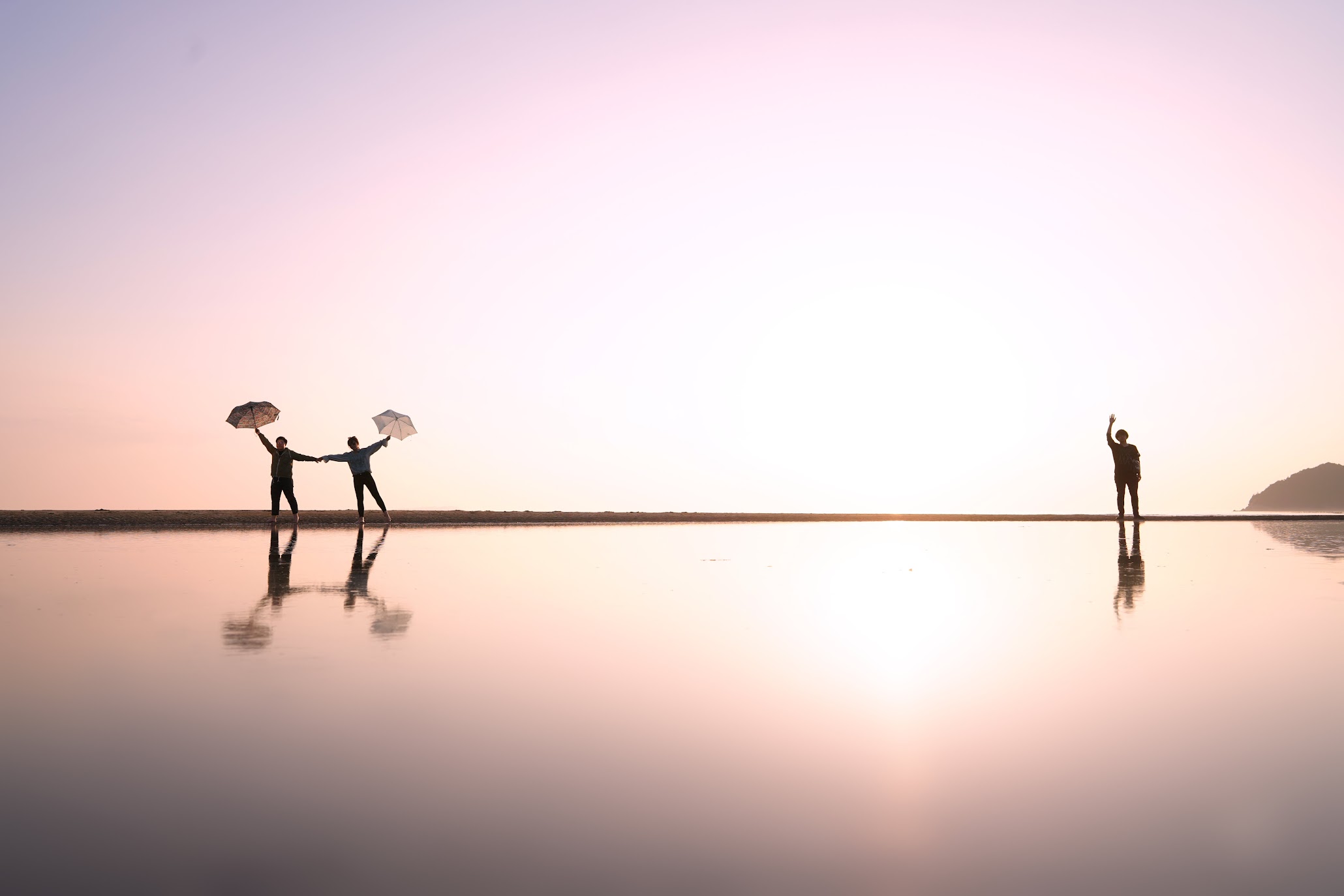
波風がたたないと、水面が鏡のようになり、沢山の人がインスタ映え写真を狙って撮影しています。


—
2017年06月17日撮影


伊吹島(いぶきじま)。いりこの島


虹色


父母ヶ浜が「映える」のは、単なる偶然ではありません。香川県三豊市仁尾町にある、約1kmの砂浜。西向きに開けた海岸では、干潮になると約400mも海水が引き、砂浜に潮だまりが残ります。そこに、瀬戸内海特有の穏やかな「瀬戸の夕凪」が重なると、水面が鏡のようになり、夕空が美しく映り込みます。さらに、瀬戸内海の多島美、花崗岩由来の白く細かな砂、潮の流れがつくる砂紋など、写真を美しくする条件が重なっています。しかし、現在の美しい父母ヶ浜は、自然だけがつくったものではありません。かつては漂着ごみが多く、1990年代には埋め立てて工業用地にする計画もありました。ところが、バブル崩壊によって計画が頓挫。その一方で、1994年には地元有志が「ちちぶの会」を結成し、海岸清掃を始めました。その活動は30年以上にわたって続き、現在も毎月第一日曜日に清掃が行われています。父母ヶ浜の絶景は、「西向きの砂浜」「大きな干満差」「瀬戸の夕凪」「多島美」という自然の条件に、長年にわたる地域の人々の清掃と景観保全の活動が重なって生まれたもの。SNSで世界的に知られる「映えスポット」の背景には、自然の力と、それを守り続けてきた地域の人たちの営みがあります。
It is no mere coincidence that Chichibogahama is such a photogenic spot. This sandy beach, stretching for approximately 1 km, is situated in Nio-chō, Mitoyo City, Kagawa Prefecture. On this west-facing coastline, at low tide the seawater recedes by some 400 metres, leaving pools of water on the sand. When this is combined with the gentle ‘Seto no Yūnagi’—a calm sea characteristic of the Seto Inland Sea—the water’s surface becomes like a mirror, beautifully reflecting the evening sky. Furthermore, a combination of factors contributes to its photogenic appeal: the scenic beauty of the Seto Inland Sea’s numerous islands, the fine white sand derived from granite, and the sand patterns created by the tidal currents. However, the beauty of Chichibugahama today is not solely the work of nature. In the past, the beach was littered with drift waste, and in the 1990s, there were even plans to reclaim the land for industrial use. However, the plans were scuppered by the bursting of the economic bubble. Meanwhile, in 1994, a group of local volunteers formed the ‘Chichibu no Kai’ and began cleaning the beach. Their efforts have continued for over 30 years, and clean-ups are still carried out on the first Sunday of every month. The breathtaking scenery of Chichibugahama is the result of a combination of natural conditions—a ‘west-facing sandy beach’, ‘significant tidal range’, ‘evening calm on the Seto Inland Sea’ and ‘scenic archipelago’—and the long-standing efforts of local people to clean the beach and preserve the landscape. Behind this ‘Instagrammable spot’, which has gained worldwide fame on social media, lie the power of nature and the ongoing efforts of the local community to protect it.
Chichibugahama Beach | 三豊市観光交流局
Chichibugahama Beach boasts a 1km-long beach which attracts many visitors every summer.
Recently, Chichibugahama has become well-known as a spot where visitors can take incredible natural mirror photos like in Salar de Uyuni in Bolivia.If there is no wind to disturb the water surface, at low tide the sky is beautifully reflected in the tide pools that form in the sand, creating a natural mirror effect.
At sunset, the scenery becomes even more fantastic, enough to earn the title as one of the “Top 100 Sunset Spots in Japan.”
We recommend that you come visit with your camera in hand.
地図で知る「うどん県」はうどん以外にも魅力いっぱい 『香川のトリセツ』 – 地図と旅行ガイドブックの昭文社グループ
香川県ナンバーワンの「映え」スポット父母ヶ浜はなぜ、そう見える?
西向きの砂浜と多島美。瀬戸内海は日本有数の干満差。瀬戸の夕凪。バブル崩壊による工場誘致計画の頓挫。地元有志による清掃活動。これらにより父母ヶ浜の美しい景観が保たれている。香川県三豊市仁尾町に、父母ヶ浜(ちちぶがはま)という全長約1kmの砂浜の海岸がある。水面に空が映り込む風景が写真映えすると、桜や紫陽花の名所の紫雲出山や、瀬戸内国際芸術祭が開催されている粟島、などあわせて同じ三豊市内にある人気の観光スポットだ。父母ヶ浜は、香川県の北西に伸びる荘内半島の西側に位置し、夕日の沈む西側には燧灘(ひうちなだ)が広がっている。瀬戸内海は日本有数の満潮と干潮の差、潮差が大きい海域である。日本で一番大きいのは、有明海で約5m。内海の奥のほうが浅い場合、外海の干満に引きずられる形で内湾の水が出入りすることになり、外海よりも潮位差が大きくなる。有明海や瀬戸内海はその典型である。父母ヶ浜は、干潮時には400mも海水が引き、干潟に潮だまりが取り残される。
さらに、「瀬戸の夕凪」と呼ばれる無風状態が写真映えする風景を演出してくれる。沿岸地域では、日中に天気がいいと陸地が温められ上昇気流が生まれ海から陸地へ「海風」が吹き、夜には逆に陸から海へ「陸風」が吹く。この時、海風から陸風へ切り替わる無風状態の「夕凪(ゆうなぎ)」がおこるのだが、瀬戸内海は、内海のため風が弱く夕凪の継続時間が長く、夏になると特にはっきりと夕凪が現れる。無風状態の夕凪では水面が波立たないため、潮だまりの水面が鏡のようになり空が綺麗に映り込む。
また父母ヶ浜は、北西にある大蔦島・小蔦島や遠くに見える伊吹島などの多島美、花崗岩由来の細かくて白い砂が潮汐によってつくりだす砂紋(さもん)も美しい。同じ三豊市内の「紫雲出山」や「鴨ノ越」などとあわせて「日本の夕陽百選」(NPO法人日本列島夕陽と朝日の郷づくり協会)に選ばれ、近年では、絶景写真が撮れるとSNSで話題になり世界中から多くの人が訪れている。
いまでこそ話題の父母ヶ浜だが、はじめから美しかったわけではない。仁尾町では、1834年に塩田忠左衛門により、干潟を利用した入浜式塩田が作られ、1972年に塩田が廃止されるまで製塩業が発展した。1981年、干拓地に世界初の太陽熱発電所が作られ、1983年まで仁尾太陽博が開催され賑わった。1990年代には仁尾町の事業として父母ヶ浜を埋め立て、工業用地として開発する計画が立ち上がった。この頃の父母ヶ浜は漂着ゴミで溢れていたが、1994年に地元の有志7人が集い、「ちちぶの会」を結成し海岸の清掃を開始。埋め立ての計画書も完成図もできていたが、バブル崩壊の影響もあり計画が頓挫。海岸清掃に協力する人も増え、今や会員数は仁尾町民を中心に60人以上、10~20年かかって、ようやく今のきれいな姿になった。今でも毎月第一日曜日の朝、海浜清掃を行っており誰でも参加可能だ。美しい風景を守ろうと長年活動している地元の方たちの想いがあることを知っておきたい。
Why does Chichibugahama, Kagawa Prefecture’s number one ‘Instagrammable’ spot, look the way it does?
A west-facing sandy beach and a landscape dotted with islands. The Seto Inland Sea boasts one of Japan’s greatest tidal ranges. The calm of the Seto sunset. The collapse of plans to attract factories following the bursting of the economic bubble. Clean-up campaigns organised by local volunteers. It is these factors that have helped preserve the beautiful scenery of Chichibugahama.In Nio-chō, Mitoyo City, Kagawa Prefecture, there is a sandy beach known as Chichibugahama, stretching for approximately 1 km. The scenery, with the sky reflected on the water’s surface, is considered particularly photogenic; it is a popular tourist spot within Mitoyo City, alongside Mount Shionode—famous for its cherry blossoms and hydrangeas—and Awashima, the venue for the Setouchi International Art Festival. Chichibugahama is situated on the western side of the Shōnai Peninsula, which stretches across the north-west of Kagawa Prefecture, with the Hiuchi Nada stretching out to the west where the sun sets. The Seto Inland Sea is one of Japan’s seas with the greatest tidal range—the difference between high and low tide. The greatest tidal range in Japan is found in the Ariake Sea, at approximately 5 metres. Where the inner sea is shallow, the water in the inner bay flows in and out as it is drawn by the tides of the open sea, resulting in a greater tidal range than in the open sea itself. The Ariake Sea and the Seto Inland Sea are prime examples of this. At Fubogahama, the seawater recedes by as much as 400 metres at low tide, leaving pools of water stranded on the mudflats.
Furthermore, a period of calm known as ‘Seto’s evening calm’ creates a scene that is particularly photogenic. In coastal areas, when the weather is fine during the day, the land heats up, creating updrafts that cause a ‘sea breeze’ to blow from the sea towards the land; at night, conversely, a ‘land breeze’ blows from the land out to sea. At this time, a period of calm known as ‘Yūnagi’ (evening calm) occurs as the wind shifts from a sea breeze to a land breeze. As the Seto Inland Sea is an enclosed body of water, the winds are weak and the Yūnagi lasts for a long time; it is particularly pronounced in summer. During this windless Yūnagi, the water’s surface remains completely still, so the surface of the tidal pools becomes like a mirror, beautifully reflecting the sky.
Furthermore, Chichibogahama boasts the scenic beauty of its many islands, such as Ōtsutsujima and Kotsutsujima to the north-west and Ibukijima visible in the distance, as well as the beautiful sand patterns created by the tides on the fine, white sand derived from granite. Together with other sites in Mitoyo City, such as ‘Shionodeyama’ and ‘Kamonokoshi’, it has been selected for the ‘100 Best Sunset Spots in Japan’ (NPO Japan Archipelago Sunset and Sunrise Village Development Association). In recent years, it has become a hot topic on social media for its stunning photo opportunities, attracting visitors from all over the world.
Although Chichibogahama is now a popular destination, it was not always so beautiful. In Nio Town, Chusaemon Shioda established an ‘irihama-style’ salt pan utilising the tidal flats in 1834, and the salt-making industry flourished until the salt pans were decommissioned in 1972. In 1981, the world’s first solar thermal power station was built on reclaimed land, and the Nio Solar Expo was held there until 1983, attracting large crowds. In the 1990s, a plan was launched by Nio Town to reclaim Chichibu Beach and develop it as industrial land. At that time, the beach was littered with driftwood and rubbish, but in 1994, seven local volunteers came together to form the ‘Chichibu Association’ and began cleaning up the coastline. Although the reclamation plan and final designs had already been drawn up, the project was abandoned, partly due to the collapse of the economic bubble. As more people joined in the beach clean-ups, the membership has now grown to over 60, mainly comprising residents of Nio Town. It took 10 to 20 years, but the beach has finally been restored to its current pristine condition. Even now, beach clean-ups are held on the morning of the first Sunday of every month, and anyone is welcome to join. It is important to recognise the dedication of the local people who have been working for many years to preserve this beautiful landscape.

売り上げランキング: 15,998

西日本出版社
売り上げランキング: 44,435

売り上げランキング: 30,087
0 Comments
1 Pingback