
![【香川】エコで涼しい!高鉢山の風穴 - [Kagawa] Blowing cave of Mt. Takahashiyama](https://yousakana.jp/wp-content/uploads/wordpress-popular-posts/52188-featured-120x120.jpg)

![【淡路島】丹下健三設計『戦没学徒記念 若人の広場』 - [Awajishima island] "Memorial of War Dead Students, Youth Plaza" designed by architect Kenzo Tange](https://yousakana.jp/wp-content/uploads/wordpress-popular-posts/30561-featured-120x120.jpg)

![【香川 8/4-6】真夏の夜の夢2023 in マザーポート高松 - [Kagawa] Setouchi Summer Festival](https://yousakana.jp/wp-content/uploads/wordpress-popular-posts/51118-featured-120x120.jpg)

![【香川】春日川の川市 – [Kagawa] River market of Kasuga river](https://yousakana.jp/wp-content/uploads/wordpress-popular-posts/49605-featured-120x120.jpeg)



![【香川】循環をテーマにしたライフスタイルショップ『アジサーキュラーパーク』 – [Kagawa] AJI CIRCULAR PARK](https://yousakana.jp/wp-content/uploads/2022/11/AJI-CIRCULAR-PARK-800x533.jpg)
![【愛媛】宇和島の牛鬼。秋祭り – [Ehime] Autumn festival at Uwajima city, Ehime pref.](https://yousakana.jp/wp-content/uploads/2019/10/Ushioni_Uwajima.jpg)
![【高知 5/3-5】仁淀川 紙のこいのぼり – [Kochi 3-5 May] Paper carp streamers at Niyodo River](https://yousakana.jp/wp-content/uploads/2026/04/panorama_niyodo.koinobori-800x534.jpg)
![【広島】阿伏兎観音 – [Hiroshima] Abutokannon](https://yousakana.jp/wp-content/uploads/2025/07/abutokannon_fukuyama_hiroshima_01-800x533.jpg)
![【香川】一生に一度は行きたい『こんぴらさん』長い石段を登ってお参り – [Kagawa] “Kotohiragu shrine (Konpirasan)”](https://yousakana.jp/wp-content/uploads/2017/04/konpira-sakura-800x536.jpg)
![【香川】屋島山上交流拠点施設『やしまーる』 – [Kagawa] The Yashima Exchange Center “Yashimāru”](https://yousakana.jp/wp-content/uploads/2022/07/yashimaru_kagawa_takamatsu-800x534.jpeg)
![【国史跡】徳島最大の前方後円墳『渋野丸山古墳』 – [National Historic Site] Shibuno Maruyama Tumulus](https://yousakana.jp/wp-content/uploads/2022/02/National-Historic-Site_Shibuno-Maruyama-Tumulus_index-800x533.jpg)

![【香川】あじさい神社に映える3000株の紫陽花。観音寺・粟井(あわい)神社 – [Kagawa] The Hydrangeas shrine](https://yousakana.jp/wp-content/uploads/2017/06/awai-shrine-800x536.jpg)
![【徳島】日本三奇橋・国指定重要有形民俗文化財『祖谷のかずら橋』 – [Tokushima] Important Tangible Folk Cultural Properties “Iya Vine Bridge”](https://yousakana.jp/wp-content/uploads/2012/02/Iya-Vine-Bridge.jpg)
![【香川】ことでん電車まつり – [Kagawa] Kotoden Train Festival](https://yousakana.jp/wp-content/uploads/2016/10/kotoden-1-800x534.jpg)
![【香川】山頂からの瀬戸内と讃岐平野を見渡す絶景!上佐山(うわさやま) – [Kagawa] Mt. Uwasa yama, Spectacular views over the Seto Inland Sea and the Sanuki Plain from the summit.](https://yousakana.jp/wp-content/uploads/2024/01/mt-uwasayama-1-800x533.jpeg)
![【香川 2/21-3/22】男木島の灯台とスイセン郷 – [Kagawa Feb. 21- Mar. 22] Ogijima Lighthouse and Daffodil fields](https://yousakana.jp/wp-content/uploads/2024/02/suisen_ogijima-lighthouse-01-800x533.jpeg)
![【徳島】うつわと暮らしのもの『ナガヤプロジェクト』 – [Tokushima] nagaya.](https://yousakana.jp/wp-content/uploads/2025/06/nagaya-tokushima-800x534.jpg)
![【香川】瀬戸内を望む堀部安嗣建築! 大串半島『時の納屋』 – [Kagawa] Kagawa] ‘Toki no Naya’, Yasushi Horibe Architecture, overlooking the Seto Inland Sea!](https://yousakana.jp/wp-content/uploads/2024/07/Tokinonaya_OgushiOgushi-Peninsula-800x533.jpg)
古代から水不足に悩まされてきた香川県には、水にまつわる史跡や観光スポットが多く存在しています。今回は、その中から高松市内にあるスポットをいくつかまとめてみました。
Kagawa Prefecture, which has suffered from water shortages since ancient times, has many water-related historical sites and tourist attractions. In this issue, we have compiled a list of some of these spots in Takamatsu City.
香川県高松市は古代から水不足に悩まされてきた地域であり、その歴史の中で人々は水を確保するために多様な工夫や祈りを重ねてきました。本記事は、そうした「水の物語」を感じられる市内の史跡やスポット、祭りをまとめたものです。
Takamatsu City in Kagawa Prefecture is a region that has long been plagued by water shortages, and throughout its history, the people have devised various ingenious methods and offered prayers to secure a water supply. This article brings together the city’s historical sites, places of interest and festivals where one can experience these ‘stories of water’.
主な内容は以下の通りです:
* 鹿の伝説が残る湧水や、古代の水の祭祀跡、江戸時代の上水道跡など、水に関わる多様な史跡が紹介されている。
* 江戸時代には藩主のもとで上水道やため池が整備され、とくに西嶋八兵衛が治水・利水事業で大きな役割を果たした。
* 栗林公園の池もかつては農業用水として利用されるなど、水は生活と密接に結びついていた。
* 雨乞いの祭りや伝承など、水を祈る文化も各地に残っている。
* 近代以降も渇水は続き、1973年の「高松砂漠」と呼ばれる大渇水など、水不足との闘いは現代まで続いている。
つまり、高松は水に乏しい土地であるがゆえに、技術・信仰・文化のすべてを通じて水と向き合ってきた地域であり、その歴史を体感できるスポットが数多く存在します。
The main content is as follows:
* A variety of historical sites related to water are introduced, including springs associated with legends of deer, the remains of ancient water rituals, and the ruins of Edo-period water supply systems.
* During the Edo period, water supply systems and reservoirs were developed under the feudal lord, with Nishijima Hachibei playing a particularly significant role in flood control and water utilisation projects.
* Water was closely intertwined with daily life; for instance, the pond in Ritsurin Park was once used for agricultural irrigation.
* A culture of praying for water, including rain-praying festivals and folklore, remains in various parts of the city.
* Droughts have persisted into the modern era, and the struggle against water shortages continues to this day, exemplified by the severe drought of 1973, known as the ‘Takamatsu Desert’.
In short, precisely because Takamatsu is a land of scarce water, it is a region that has engaged with water through technology, faith and culture alike, and there are numerous spots where visitors can experience this history first-hand.
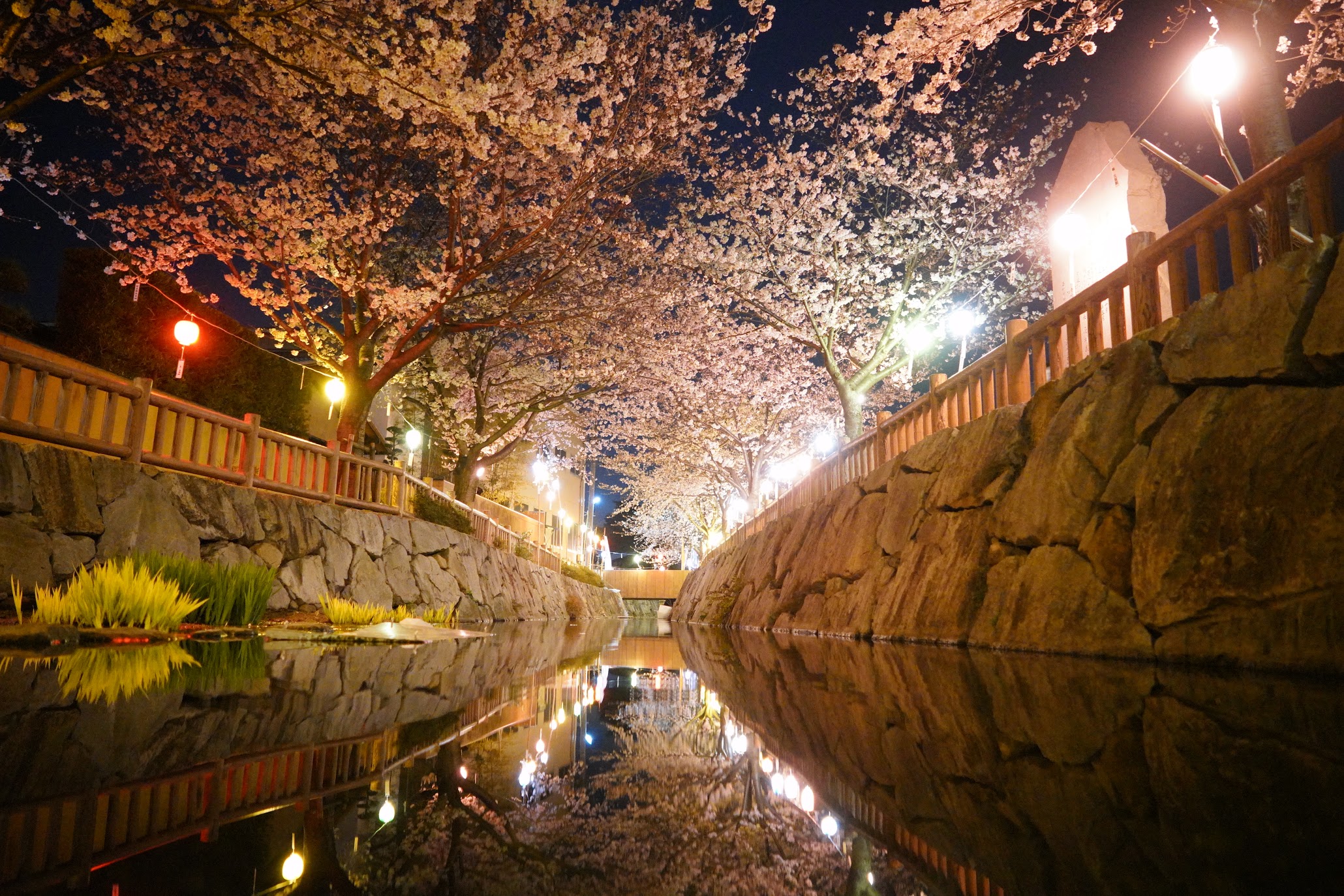
・鹿の井出水 – Shikanoidesui Deer well water:渇水時に鹿が口をつけたところから水が湧いたという伝説。桜の時期がオススメ。
住所:香川県高松市太田下町3015 [Google Maps]
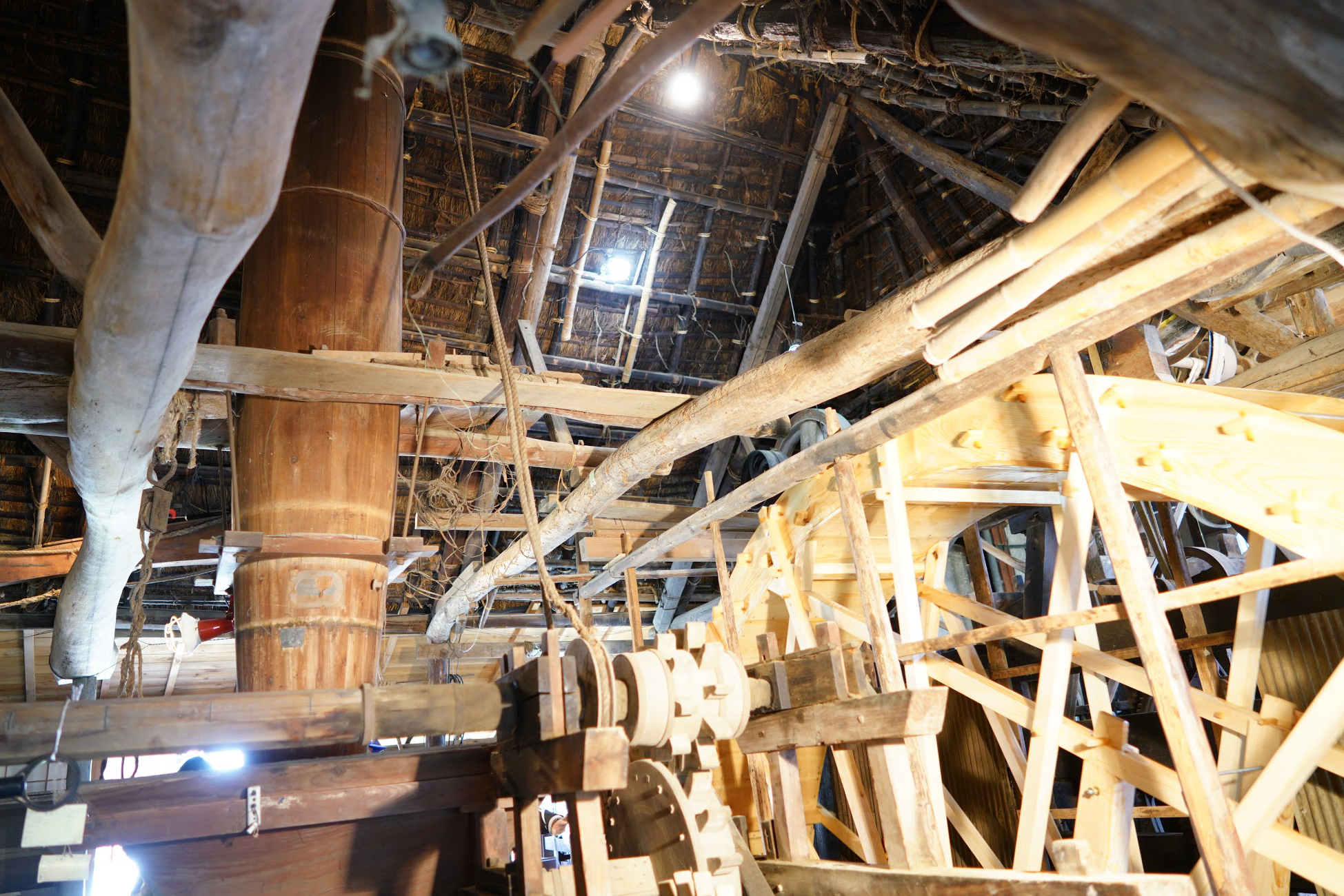
・高原水車 – Takahara Water Mill:高松藩の御用水車。稼働する日本最古級の水車場。国登録文化財。
住所:香川県高松市六条町672 [Google Maps]
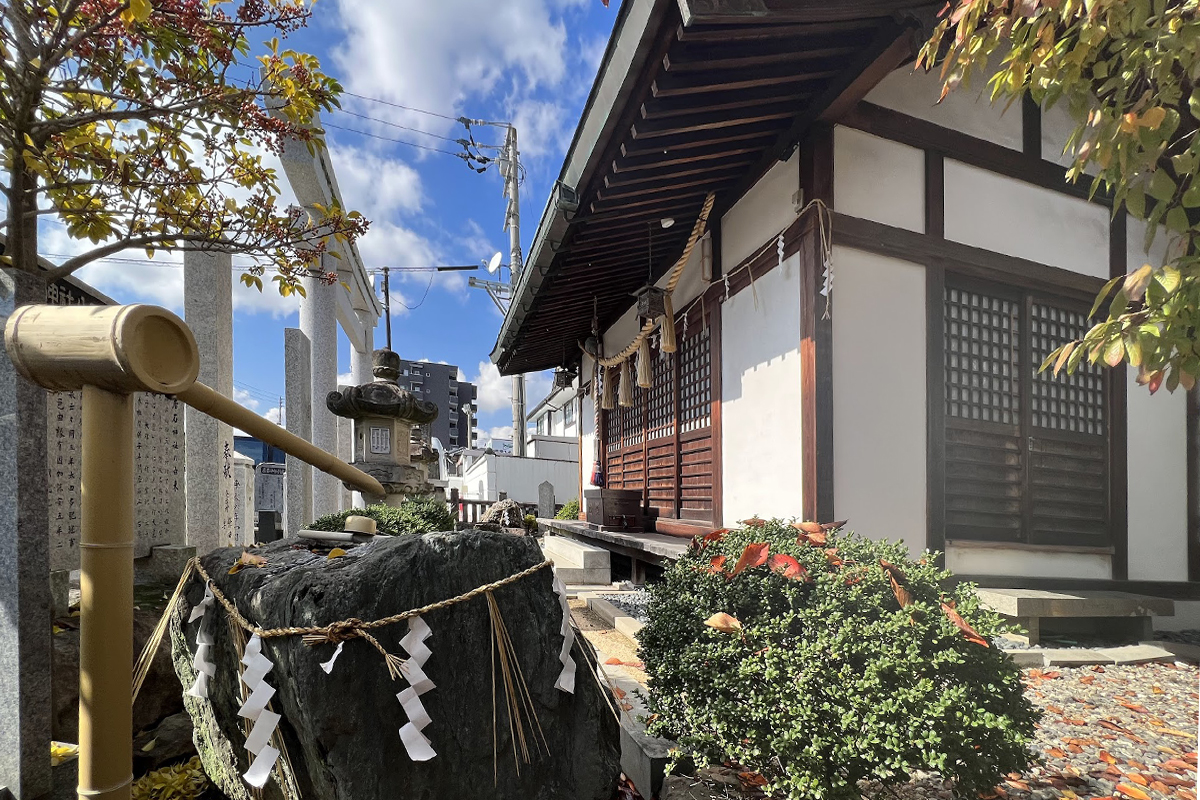
・居石(おりいし)遺跡 – Oriishi archaeological site:古墳時代の水のまつり。古代の川跡から鏡が3枚みつかった。
住所:香川県高松市伏石町2164-6 [Google Maps]
居石遺跡は、高松市内で発見された古墳時代の祭祀(さいし)の跡です。遺跡からは、古代の川跡とともに、3枚の青銅鏡が出土しました。これらの発見は、当時の人々が水辺を特別な場所として捉え、水の恵みに感謝し、祈りをささげていたことを物語っています。
古墳時代の人々にとって、川や湧水は生活に欠かせない存在でした。飲み水や農業用水として利用される一方、洪水や渇水など自然の力とも向き合わなければなりませんでした。そのため、水辺では豊かな実りや安全を願う祭りが行われたと考えられています。
居石遺跡で見つかった鏡は、単なる道具ではなく、当時の祭祀に用いられた特別な品と考えられています。古代の人々は、鏡に映る光や輝きを神聖なものとして捉え、神への供え物として川や水辺に納めたとみられます。
この遺跡は、讃岐の地で古代から続いてきた「水を敬う文化」を伝える貴重な場所です。現代の私たちが当たり前のように利用している水も、かつては人々の命を支える神聖な恵みでした。居石遺跡は、古代讃岐の人々と水との深い関わりを今に伝えています。
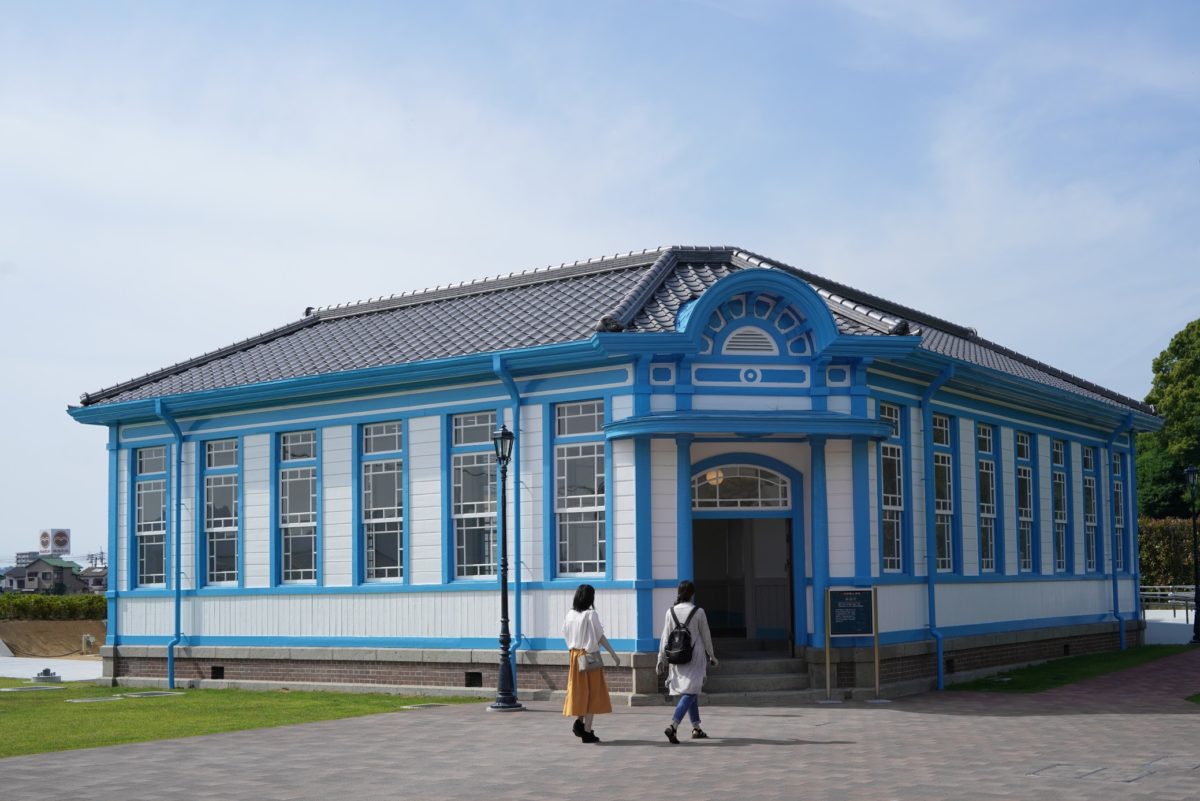
・旧御殿水源地 – Takamatsu city Waterworks Data Library:高松市水道資料館。国の登録有形文化財。
住所:香川県高松市鶴市町1360 [Google Maps]
・大井戸水神社:日本最古級の上水道遺構。高松藩。樋材が残る。
住所:香川県高松市瓦町2-10-3 [Google Maps]

高松の城下町には、江戸時代初期に整備された日本最古級の上水道が存在しました。高松藩初代藩主・松平頼重は、城下町の人口増加による水不足を解決するため、正保元年(1644年)頃、井戸を水源として地下に木樋や石造の水路を巡らせ、城下の武家屋敷や町人町へ水を供給する上水施設を整備しました。その水源となった代表的なものが「大井戸」「亀井戸」「今井戸」です。なかでも大井戸は現存する貴重な遺構で、石積みで造られた井戸から水を取り、暗渠によって城下へ配水していました。
当時の高松は、讃岐特有の少雨の気候に加え、城下町の発展によって水の確保が大きな課題でした。人々は、ため池や井戸、上水道など限られた水資源を巧みに利用し、水と共に暮らす知恵を育んできました。高松藩の上水道は、近代的な水道が整備される以前の日本において、地下水を水源とし、暗渠で町へ配水する高度な都市給水システムでした。現代の水道にも通じる「まちづくりと水の関係」を伝える、貴重な歴史遺産です。
・亀井戸復元跡:高松市鍛冶屋町にあった江戸時代の上水道の水源跡。
住所:香川県高松市番町1-5 [Google Maps]

・亀井戸跡
住所:香川県高松市鍛冶屋町5-18 [Google Maps]
・大禹謨(だいうぼ):栗林公園にある西嶋八兵衛に関する石碑。1630年頃の香東川の改修時に治水の成就を願い川中に祀りました。
住所:香川県高松市栗林町1-20 [Google Maps]

・西嶋八兵衛:屋敷跡。讃岐の水の恩人。三谷池、神内池、満濃池の再興など。
住所:香川県高松市番町1-3-7 [Google Maps]
栗林公園・商工奨励館の中庭に静かに佇む「大禹謨(だいうぼ)」は、江戸時代初期に讃岐の治水事業を指揮した西嶋八兵衛が刻んだと伝えられる石碑です。
「大禹謨」とは、中国最古の歴史書『書経』に収められた篇名で、「治水の聖人」とされる禹(う)の政治理念や治水思想を伝える言葉です。約4,000年前、黄河の氾濫を治めたとされる禹は、人々の暮らしを守るために水を制御した理想の為政者として、東アジアで広く尊敬されてきました。
17世紀、西嶋八兵衛は香東川の氾濫を防ぐ大改修に取り組み、現在の川筋を築くとともに、満濃池をはじめ90余りのため池を築造・改修し、讃岐の治水・利水の基盤を築きました。その工事の成功と地域の安寧を願い、「大禹謨」の三文字を刻んだ石を鎮斎したと伝えられています。
この石碑は長い年月の中で埋もれ、洪水や河川工事を経て二度にわたり発見されるという数奇な運命をたどりました。郷土史家らの尽力によってその価値が見いだされ、1962年(昭和37年)、現在の栗林公園・商工奨励館の中庭へ移され、大切に保存されています。
西嶋八兵衛が治めた香東川の伏流水は、栗林公園の豊かな湧水を育み、この名園の礎となりました。「大禹謨」は、単なる石碑ではなく、讃岐の水の歴史と、人々の暮らしを支え続けてきた治水の精神を今に伝える貴重な文化遺産です。
・三谷三郎池:古代の須恵器の窯跡。池の水を抜くと川跡が現れる。
住所:香川県高松市三谷町4695-27 [Google Maps]

・夷神社:かつての高松の入江。埋め立ての海岸線や塩田跡など。
住所:香川県高松市木太町3521 [Google Maps]
・高松市の給水スポット:海洋プラごみを減らす試み。目的でクラファンにより実現。
住所:香川県高松市番町1-8-15 [Google Maps]
<祭り>
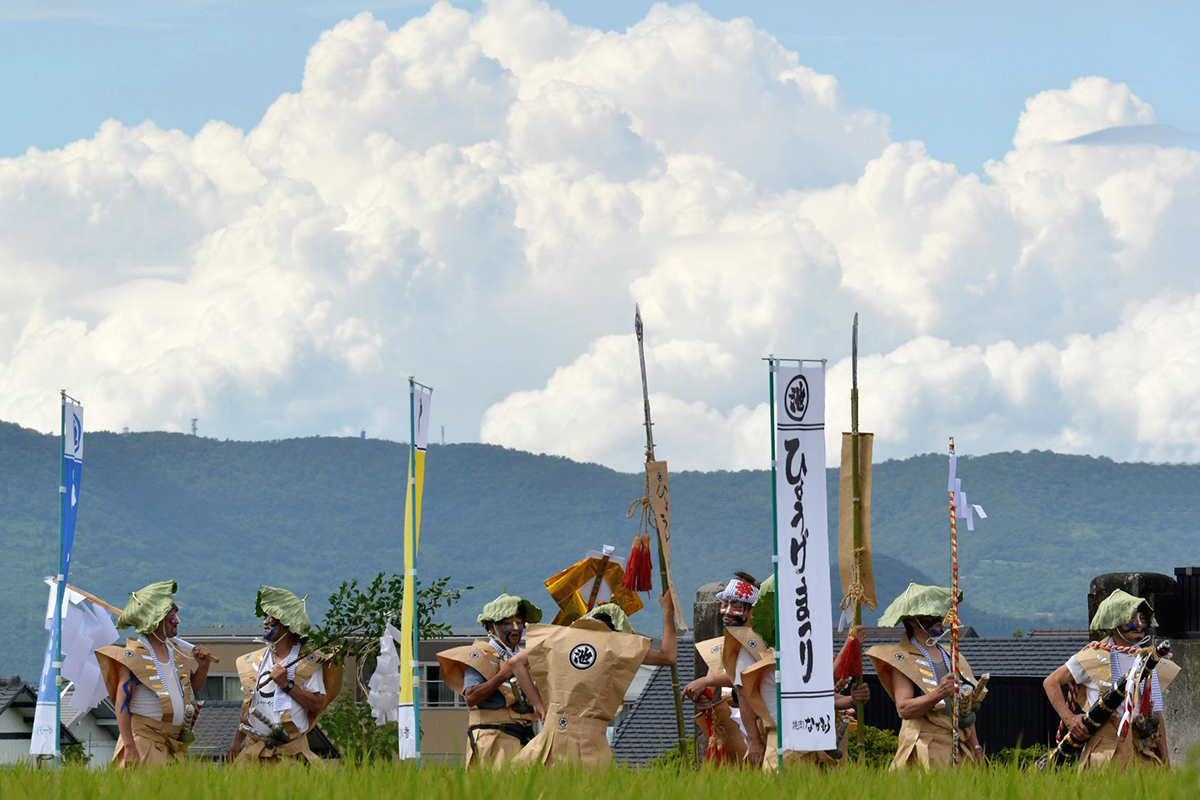
・ひょうげ祭り – Hyoge Matsuri, the local humorous festival:新池、ため池築造に尽力した矢延平六を偲ぶ祭り。みうらじゅんさんの「とんまつり」に掲載。
住所:香川県高松市香川町川内原 [Google Maps]
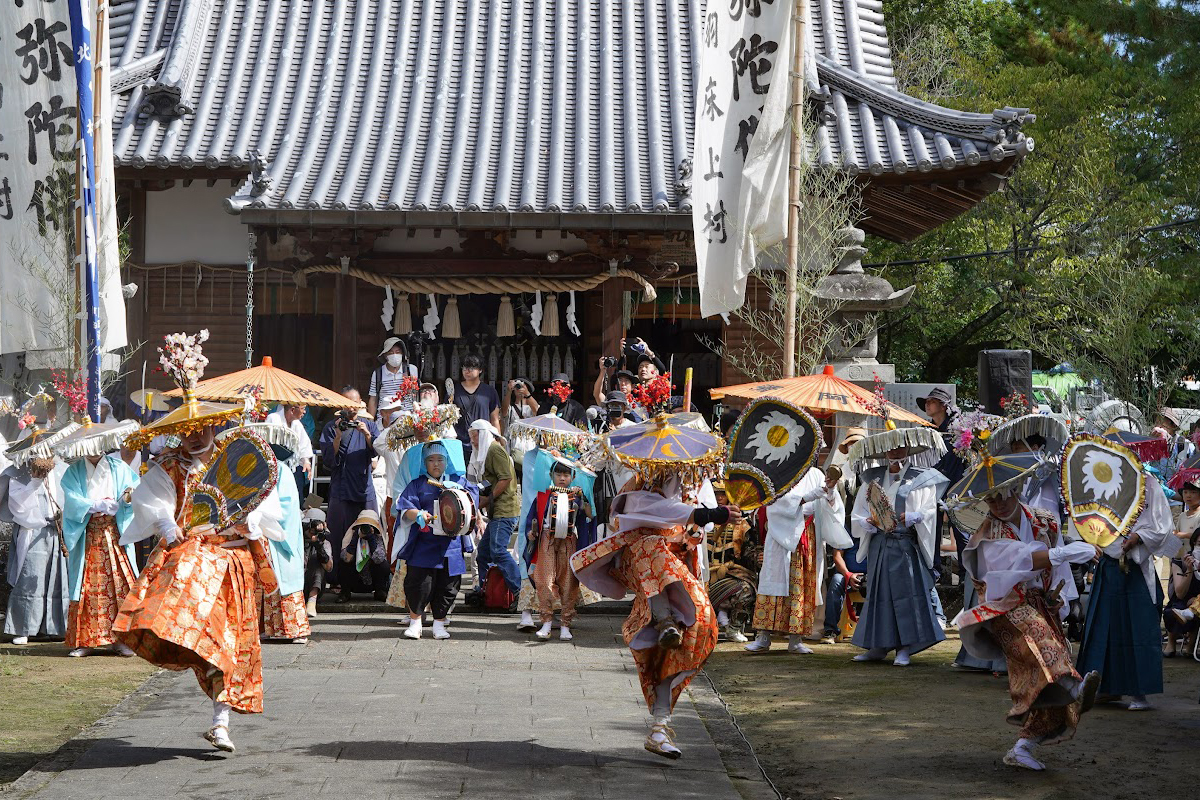
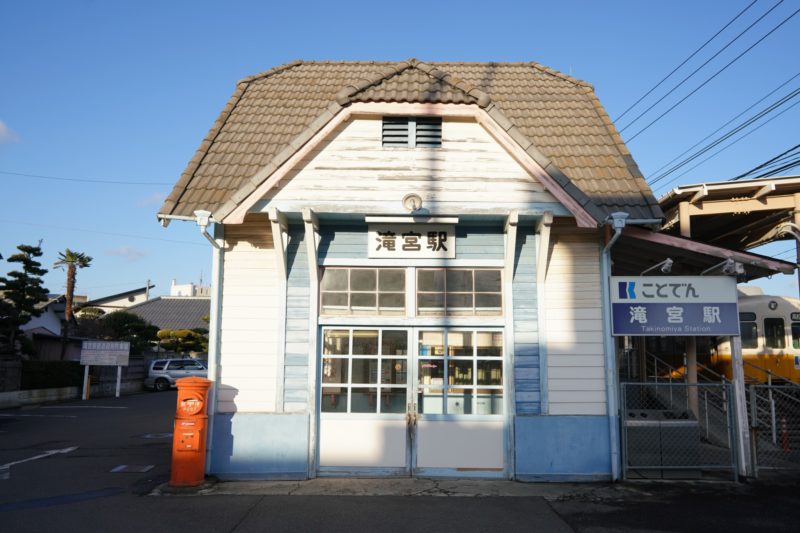
・滝宮の念仏踊 – “Takinomiya no Nenbutsu Odori” UNESCO Intangible Cultural Heritage.:滝宮神社、滝宮天満宮。ユネスコ無形文化遺産
住所:香川県綾歌郡綾川町滝宮1314 [Google Maps]
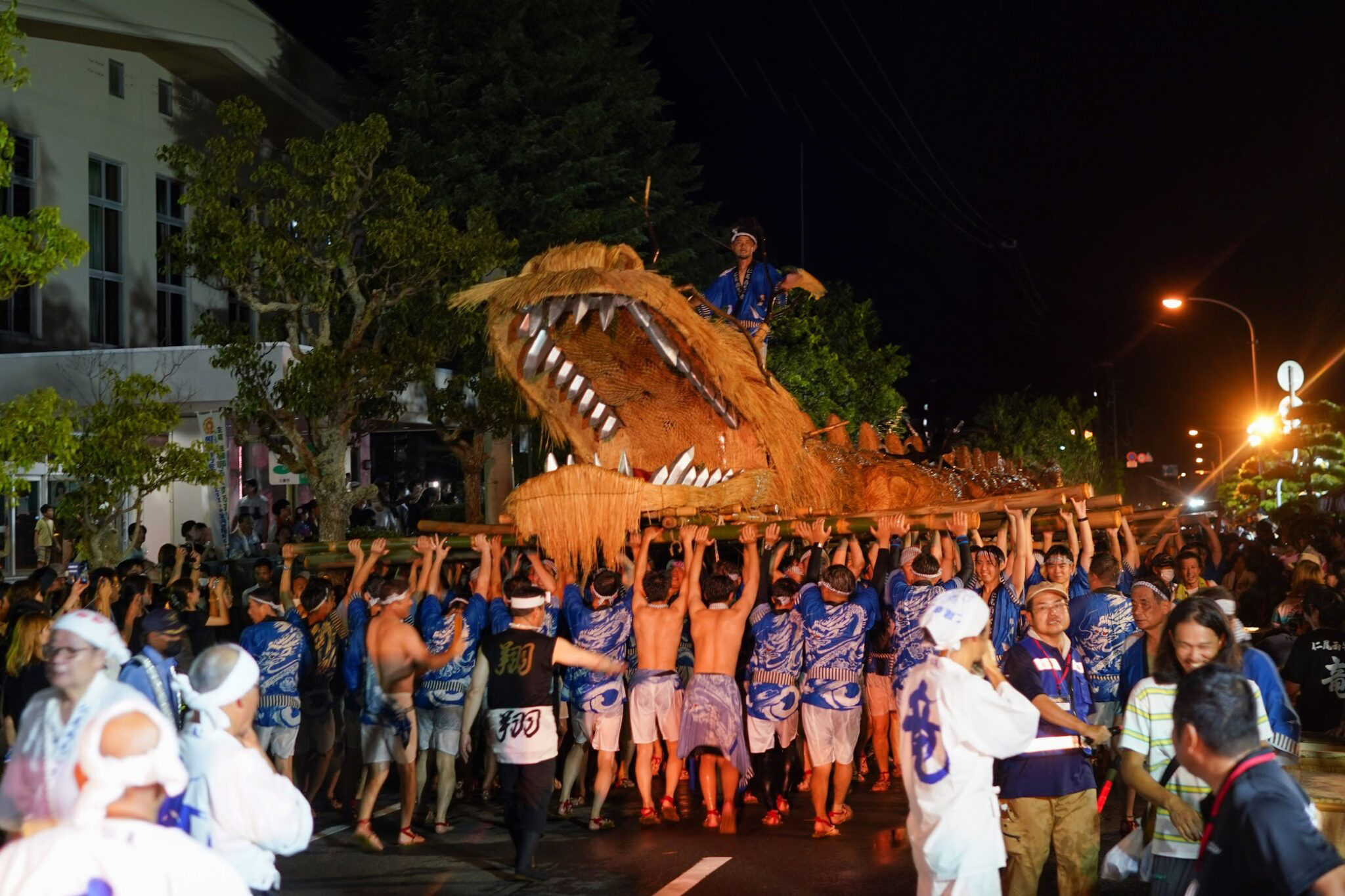
・仁尾 竜まつり – Nio Dragon Festival
住所:香川県三豊市仁尾町 [Google Maps]
2022/03/01撮影
亀井戸跡 – Kameido well site
香川県高松市の四番丁スクエアに復元展示されている「亀井戸跡」は、江戸時代の高松城下に水を供給した貴重な上水施設の遺構です。もともとは現在の丸亀町周辺の再開発工事に伴う発掘調査で発見され、水路や石垣などの構造が確認されました。発掘された遺構の一部は、往時の姿を伝えるため、四番丁スクエアの緑地に移築・復元されています。
江戸時代の高松城下では、飲み水の確保が大きな課題でした。讃岐は雨が少なく、大きな河川にも恵まれないため、人々は限られた水資源を大切に利用してきました。亀井戸は湧水を水源とし、城下へ水を送る役割を担った施設で、約300年にわたり人々の暮らしを支えたとされています。
また、この場所は讃岐の治水・利水に大きな功績を残した西嶋八兵衛ゆかりの地でもあります。西嶋八兵衛は、ため池の築造や香東川の改修など、讃岐の水環境整備に尽力した人物であり、高松の発展を支えた「水の恩人」として知られています。四番丁スクエアでは、亀井戸跡の復元とともに、高松と水との深い関わりを学べる空間として整備されています。
現代では水道によって容易に水を得られる高松ですが、亀井戸跡は、かつて人々が水を守り、分かち合いながら暮らしていた歴史を伝える場所です。都市の足元に残る小さな遺構から、讃岐の人々と水との長い知恵の積み重ねを感じることができます。


西嶋八兵衛の屋敷跡。高松藩主・生駒高俊は、伊勢・津藩から西嶋八兵衛を迎えました。当時、讃岐は大干魃(かんばつ)が続き、凶作に悩んでいました。高松藩へ派遣された八兵衛は、普請奉行として三谷池、神内池、満濃池の再興、大小90あまりの池普請。屋島、木太新田の開墾、 香東川の付け替え工事などを行い藩政興隆に貢献しました。八兵衛の私邸があったところです。
The site of Hachibei Nishijima’s residence. Takatoshi Ikoma, lord of the Takamatsu Domain, invited Hachibei Nishijima from the Tsu Domain in Ise. At that time, Sanuki was suffering from a prolonged severe drought and poor harvests. Hachibei, dispatched to the Takamatsu Domain, served as the Commissioner of Public Works, overseeing the restoration of Mitani Pond, Kaminai Pond and Manno Pond, as well as the construction of over 90 other ponds of various sizes. He also contributed to the prosperity of the domain by undertaking the reclamation of Yashima and Kita Shinden, and the diversion of the Koto River. This is the site where Hachibei’s private residence once stood.
法華宗・大本寺跡(だいほんじあと)。大本寺は、法華宗(ほっけしゅう / 本門流)、衆妙山大本寺という。寺伝によると、寛永五年頃、高松藩(生駒家)の客臣、西嶋八兵衛が、任期満ちて、伊勢半の津へ引き揚げる時、大本寺開基自乾院白省上人(じかんいんにっしょうしょうにん)が、その邸跡(高松市番町3番町)をもらって、寛永13年、当寺を創建したといわれる。寺門は、初代高松藩主・松平頼重公の御山御殿の門(四脚門)を移したものであった。そのような関係で、この寺は、西嶋八兵衛が、延宝8年3月20日、郷里伊賀上(三重県上野市)で死去した後、釈地賢居士(しゃくちけんこじ / 八兵衛の法名)の、永代位牌所となった。初代高松市長、赤松渡や菊池寛は、当寺の檀信徒である。また、明治23年4月10日、初めての高松市議会がこの大本寺で開かれている。寺は、昭和の戦災で焼け、その後、都市計画の実施で、現在の築地町に移転し、寺のあった場所は、四番丁小学校となった。
Site of Daibon-ji Temple (Hokke-shū). Daibon-ji Temple, belonging to the Hokke-shū (Honmon-ryū) school, was known as Shumyōzan Daibon-ji. According to the temple’s tradition, around the fifth year of the Kan’ei era (1628), when Nishijima Hachibei, a retainer of the Takamatsu Domain (Ikoma clan), was returning to Ise-han no Tsu upon the expiry of his term of service, the founding priest of Daibon-ji, Jikan-in Nisshōshō-nin, acquired the site of his former residence (3 Ban-chō, Takamatsu City) and is said to have founded this temple in the thirteenth year of Kan’ei (1636). The temple gate was relocated from the gate (a four-legged gate) of the mountain palace of Lord Matsudaira Yorishige, the first lord of the Takamatsu Domain. Consequently, following the death of Nishijima Hachibei on 20 March 1680 in his hometown of Iga-kami (Ueno City, Mie Prefecture), this temple became the permanent memorial hall for Shakuchi Kenkoji (Hachibei’s posthumous Buddhist name). The first Mayor of Takamatsu, Wataru Akamatsu, and Kan Kikuchi were parishioners of this temple. Furthermore, on 10 April 1890, the first Takamatsu City Council meeting was held at this main temple. The temple was destroyed by fire during the war in the Shōwa era and subsequently relocated to its current site in Tsukiji-chō due to urban planning; the site where the temple once stood became Yonban-chō Primary School.
亀井戸跡。導水施設の移築・復元。亀井戸は、高松市鍛冶屋町に所在した江戸時代につくられた上水道の水源で、古文書などの記録から初代高松藩主・松平頼重が17世紀中頃につくらせたといわれています。亀井戸があった場所で市街地の再開発が計画されたため、平成22年度に発掘調査を行いました。
調査結果
1)亀井戸は、城下町東側の町人住居域に水を供給していた重要な水源でした。
2)亀井戸は、18世紀〜19世紀前半、19世紀前半、近代にそれぞれ大規模に改良されていることがわかりました。
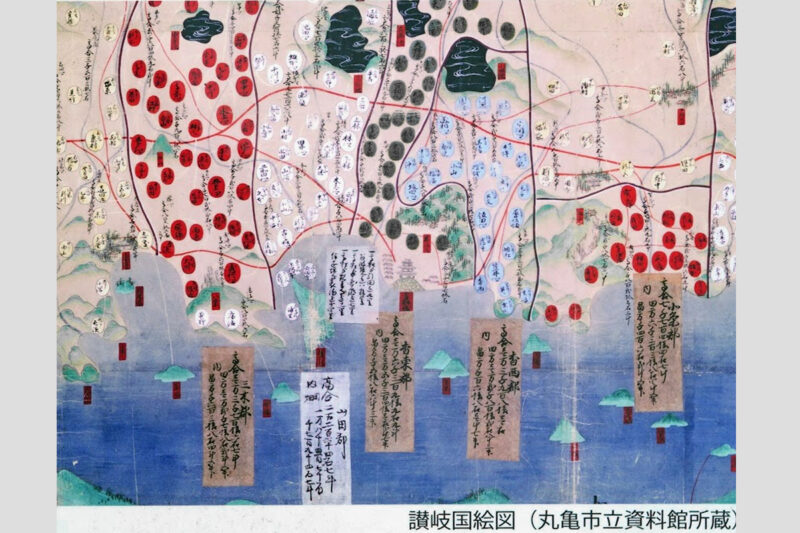
3)19世紀前半には導水施設がつくられ、亀井戸の形は北西隅が斜めに折れ曲がる形に改変されたことがわかります。この形は「讃岐国名所図会」でも確認できます。
なぜ亀井戸跡の導水施設を復元するのでしょうか?
亀井戸跡は、高松にどのような上水道がつくられていたのかを物語る貴重な文化財で、これを後世に伝えるため導水施設を復元しました。正確な記録をもとに、できる限り発見時の姿に再現しています。
Site of Kameido. Relocation and restoration of water conveyance facilities. Kameido was a water source for the water supply system built during the Edo period, located in Kajiyamachi, Takamatsu City. According to historical records, it is said to have been commissioned by Matsudaira Yorishige, the first lord of the Takamatsu Domain, in the mid-17th century. As urban redevelopment was planned for the site where Kameido once stood, an archaeological survey was conducted in the 2010 financial year.
Survey Results
1) Kameido was an important water source that supplied water to the merchant residential area on the eastern side of the castle town.
2) It was found that Kameido underwent major improvements in the 18th century, the first half of the 19th century, and the modern era.
3) It is evident that water conveyance facilities were constructed in the first half of the 19th century, and the shape of Kameido was altered so that the north-western corner bent diagonally. This configuration can also be confirmed in the *Sanuki-no-Kuni Meisho Zue* (Illustrated Guide to the Scenic Spots of Sanuki Province).
Why are we restoring the water conveyance facilities at the Kameido site?
The Kameido site is a valuable cultural asset that tells the story of how the water supply system in Takamatsu was constructed. We have restored the water conveyance facilities in order to pass this legacy on to future generations. Based on accurate records, we have recreated the site as closely as possible to its original state at the time of discovery.
大禹謨(だいうぼ)。栗林公園
香東川の付け替え。当時、香東川は石清尾山の南で山を挟み東西に分かれていました。八兵衛はたびたび氾濫し城下へ流れ込む東の流路を西の流路(現在の香東川)に一本化する工事を指揮したといわれています。特別名称の栗林公園は、付け替えられた川跡の豊富な湧水を利用してつくられたともいわれています。園内にある大禹謨(だいうぼ)の石碑は、大正元年(1912年)に香川町大野で香東川の堤防工事の際に発見されたもので、古代中国で治水に功績があった禹王(うおう)にあやかるため、八兵衛が「大禹謨」と刻み祀ったものといわれています。
その後の八兵衛
その後、八兵衛は藤堂家に帰り、慶安元年(1648年)には伊勢国・津において延長13kmにわたる雲出井(くもずゆ)用水を完成させ、多くの農地を潤すことになりました。また、城和奉行(じょうわぶぎょう)の要職を務めるなど多くの功績を残し、延宝8年(1680年)84歳の天寿を全うしました。墓は、三重県伊賀市上野紺屋町の正崇寺(しょうそじ)にあります。(高松市教育委員会)讃岐国絵図(丸亀市立資料館所蔵)
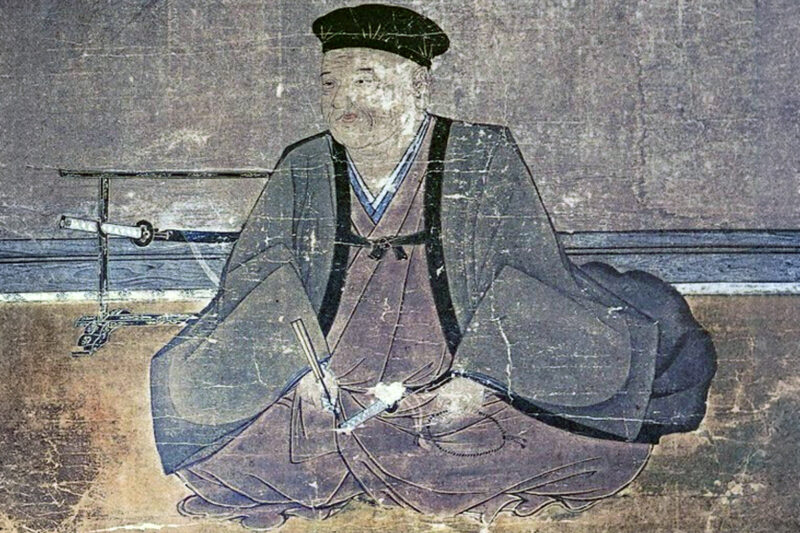
讃岐の水の恩人、西嶋八兵衛。四番丁スクエアには、昭和20年の高松大空襲前までには、西嶋八兵衛(慶長元年 1596〜延宝9年 1680)が寛永15年(1638年)に建立した大本寺がありました。江戸時代の高松城下絵図には大本寺の箇所に「藤堂家臣西嶋八兵衛某宅地跡」との記述があることから、八兵衛の屋敷であったといわれています。
八兵衛は、遠江国(静岡県)浜松の人ですが、讃岐国高松で水資源開発に力を尽くし、「讃岐の水の恩人」と呼ばれています。
西嶋八兵衛と高松
八兵衛は、諱(いみな)を之友(ゆきとも)といい、八兵衛は通称です。伊勢国(三重県)津藩主の藤堂高虎に仕えました。高虎は築城の名人とされ、宇和島城、今治城など多くの城をつくっています。高虎に仕えた八兵衛は、次第に技術を習得、やがて大阪城移築など大規模工事に関係するようになります。元和7年(1621年)生駒家4代藩主となった孫の生駒高俊の後見人となった高虎によって、八兵衛らは讃岐国に派遣されます。讃岐に大干魃が襲い、壊滅的被害を受けた藩内の農政を立て直すため、これ以降、八兵衛の持つ優れた土木技術が大いに発揮されることになるのです。
人と水のかかわり14 所在地マップ。
1)居石遺跡:発掘された古墳時代の水のまつり(高松市伏石町)
2)鹿が掘った出水・鹿の井(高松市太田下町)
3)弘法大師が掘った庵治・閼伽井(あかい)(高松市庵治町)
4)龍が棲む泉を祀る田村神社(高松市一宮町)
5)亀井戸とともに城下に水を送った大井戸(高松市瓦町二丁目)
6)平池(へいけ)、小田池(おだいけ)の人柱伝説(高松市仏生山町、川部町)
7)了応和尚(りょうおうおしょう)の雨乞い(高松市番町1丁目 / 法泉寺ほか)
8)矢延平六(やのべへいろく)がつくった新池と奇祭、ひょうげ祭り
9)大名庭園・栗林公園(りつりんこうえん)からおくられた農業用水(高松市栗林町1丁目 / 栗林公園)
10)命をかけた清水神社の雨乞い(高松市由良町)
11)近代水道のはじまり(高松市鶴市町 / 高松市水道資料館)
12)線香水(水利の慣行)(高松市香南町ほか)
13)霊泉 お前泉(まいいずみ)(高松市国分寺町 / 楠井の泉)

高松砂漠(昭和48年)。異常渇水の記録と香川用水。
高松では水が足りなくなることが多く、昔から渇水や水飢饉と呼ばれ、苦しんできました。昭和48年には雨がほとんど降らず異常渇水となり、人々の生活に大きな影響がおこり、のちに高松砂漠と呼ばれるようになりました。その記録をふりかえります。

6月29日 雨が降る。以降31日間連続して晴天
7月13日 貯水池の貯水量低下のため第一次給水制限を実施
7月21日 第二次給水制限。断水8時間の実施
7月26日 給水制限を強化する。断水10時間の実施
7月31日 雨が降る(7.5mm)。以降13日間連続して晴天。
8月01日 第三次給水制限(午前5〜8時まで給水)。21時間断水の実施。高松市が給水半を組織(総勢250人・1日平均80代の給水車出動)。
8月06日 陸上自衛隊善通寺駐屯部隊出動。(車両9台、隊員約300人)
8月12日 民間企業・団体が「善意の給水会」を組織する。
8月14日 台風によって雨が降る。以降断続的に雨が降る。
8月24日 自衛隊撤収。
9月08日 第二次給水制限に緩和。
9月14日 給水制限の全面解除。
実に63日間もの給水制限であり、市民は耐え、協力しあいました。翌49年5月には待望の香川用水によって、吉野川の水が香川へ通水されるようになりました。人々は感謝し、これにより水事情は安定すると思われましたが、平成6年には再び渇水にみまわれ、改めて水不足解消の難しさを思い知らされることになりました。
The Takamatsu Desert (1973). Records of the severe drought and the Kagawa Irrigation Canal.
Takamatsu has often suffered from water shortages; since ancient times, the region has endured what were known as ‘droughts’ or ‘water famines’. In 1973, with almost no rainfall, a severe drought struck, having a major impact on people’s lives; the region subsequently came to be known as the ‘Takamatsu Desert’. We look back at the records of that time.
29 June: Rain falls. Clear skies for 31 consecutive days thereafter.
13 July: First water rationing implemented due to falling reservoir levels.
21 July: Second water rationing. Eight-hour water cut implemented.
26 July: Water rationing tightened. Ten-hour water cut implemented.
31 July: Rain falls (7.5 mm). Clear skies for 13 consecutive days thereafter.
1 August: Third round of water restrictions (water supply from 5am to 8am). 21-hour water cut implemented. Takamatsu City organised a water supply team (total of 250 people; an average of 80 water tankers deployed per day).
6 August: The Ground Self-Defence Force Zentsuji Garrison deployed (9 vehicles, approx. 300 personnel).
12 August: Private companies and organisations formed the ‘Goodwill Water Supply Association’.
14 August: Rain fell due to a typhoon. Rain continued intermittently thereafter.
24 August: The Self-Defence Forces withdrew.
8 September: Water restrictions were eased to the second level.
14 September: Water restrictions were fully lifted.
The water restrictions lasted a full 63 days, during which the citizens endured and cooperated with one another. In May of the following year (1974), the long-awaited Kagawa Irrigation Canal began to convey water from the Yoshino River to Kagawa. The people were grateful, and it was thought that the water situation would stabilise as a result; however, in 1994, the region was struck by drought once again, serving as a stark reminder of the difficulty in resolving water shortages.
![【香川】国指定特別名勝・栗林公園の開館記念日 – [Kagawa] Special Beauty Spot “Ritsurin Garden”](https://yousakana.jp/wp-content/uploads/2024/03/ritsurin-garden.jpeg)
大名庭園・栗林公園からおくられた農業用水。国指定特別名称 栗林公園
栗林公園(りつりんこうえん)は、江戸時代のはじめの頃に生駒家が庭をつくりはじめ、さらに高松藩主の松平家が5代100年あまりの年月をかけて完成させました。四国で唯一の国特別名勝に指定され、また日本に関する旅行ガイド「ミシュラン・グリーンガイド・ジャポン」では三つ星に格付けされるなど、日本を代表する大名庭園としては知られています。
栗林公園は、池泉回遊式庭園(ちせんかいゆうしきていえん / 池を中心につくられた庭園)であり、園内には南湖、北湖、西湖、などの池があります。今からは想像できませんが、この池の人は、かつて農業用水に使われていました。「増補高松藩記(ぞうほたかまつはんき)」という昔の記録には、元禄15年(1702年)に2代藩主・頼常(よりつね)が、飢饉の時池をさらい山を築かせ、さらった泉の水を栗林近くのいくつかの村の田にそそぎ、人々に深く感謝されたことあります。また、明治10年(1877年)に建てられた「高松栗林公園碑」にも宮脇村(現在の宮脇町付近)などの近くの村に農業用水をおくっていたと刻まれています。現在では、周辺の水田が姿を消したため、農業用水をたくわえるため池としての役割はなくなり、美しい景色を楽しめる池となっています。
【香川】国指定特別名勝・栗林公園の開館記念日 – [Kagawa] Special Beauty Spot “Ritsurin Garden” | 物語を届けるしごと
Irrigation water from Ritsurin Park, a daimyo garden. Nationally Designated Special Site: Ritsurin Park
Ritsurin Park was first laid out by the Ikoma family in the early Edo period, and subsequently completed by the Matsudaira family, lords of the Takamatsu domain, over a period of more than 100 years spanning five generations. It is the only site in Shikoku designated as a National Special Place of Scenic Beauty, and is recognised as one of Japan’s leading daimyo gardens, having been awarded three stars in the ‘Michelin Green Guide Japan’.
Ritsurin Park is a strolling pond-style garden (a garden centred around a pond), and within the grounds there are ponds such as South Lake, North Lake and West Lake. It is hard to imagine now, but the water from these ponds was once used for agricultural irrigation. An old record known as the ‘Zōho Takamatsu-han-ki’ (Supplement to the History of the Takamatsu Domain) states that in the 15th year of the Genroku era (1702), the second lord of the domain, Yoritsune, had the ponds dredged and embankments built during a famine. He then channelled the dredged water to the rice fields of several villages near Ritsurin, for which he was deeply thanked by the people. Furthermore, the ‘Takamatsu Kuribayashi Park Monument’, erected in 1877 (Meiji 10), is inscribed with the fact that agricultural water was supplied to nearby villages such as Miyawaki Village (now the vicinity of Miyawaki-cho). Today, as the surrounding rice paddies have disappeared, the pond no longer serves as a reservoir for agricultural water, but has become a place where visitors can enjoy the beautiful scenery.
亀井戸(かめいど)とともに城下に水を送った大井戸。高松市指定史跡
生駒家初代藩主親正は、天正16年(1588年)に高松城をつくり、城下町に武士や町人を住まわせました。しかし、 香東川がたびたび氾濫し、城下町に流れ込む洪水に悩まされていました。4代藩主・高俊のとき、西嶋八兵衛によって2本あった香東川を西野流れ1本とし、東の流れをせき止めるという難しい工事が行われ、ようやく水害はおさまりました。
しかし、城下町が大きくなると生活用水が不足するようになりました。そこで高松松平家初代藩主・頼重のとき、新たに給水地や井戸を整備し、竹管や土管を埋めて水を送る上下水道をつくりました。その上水道の水源には、亀井戸・大井戸・今井戸などがありましたが、現在まで残っているのは大井戸のみです。大井戸の石積みの隅には水を引き込む取水口があり、今も樋材が残っています。
水に乏しい高松にとって、大井戸は湧き水を利用した江戸時代の本格的な上水道の跡として貴重なものです。毎年6月の6・7日には大井戸を中心に絵提灯が飾られ、出店も並び、初夏の訪れを告げています。
鹿が掘った出水、鹿の井(しかのい)
保安3年(1122年)、讃岐国は大日照りにみまわれ、田や畑の作物は枯れ、飲み水にも困るようになりました。人々は幾度も神様に雨を祈りましたが、雨は一滴も降りません。そんなある日、居石(おりいし)神社(伏石町)に白髪、白ひげの見慣れない老人が現れました。村人たちが眺めていると、老人は突然、一匹の鹿に姿を買えました。驚く村人たちの前で急に鹿は走り出し、1本の桃の木の前で立ち止まり前足で土を掘り、どこへともなく去っていきました。鹿が土を掘ったところからはこんこんと清水が湧き出したので、村人たちは大喜びでのどを潤したと伝えられています。
湧き水は、長い間水田や地域の飲水として利用されてきました。平成10年には「鹿の井出水」として176mが石積に整えられ、周りには散歩が楽しめる歩道や休憩所もつくられています。湧き水はいまでも太田・伏石・下田肥の水田を潤す水源のひとつとして使われています。
The Spring Dug by a Deer: Shikanoi
In the third year of the Hōan era (1122), the province of Sanuki was struck by a severe drought; crops in the fields withered, and the people began to suffer from a shortage of drinking water. They prayed to the gods for rain time and again, but not a single drop fell. One such day, an unfamiliar old man with white hair and a white beard appeared at Oriiishi Shrine (in Fuseishi Town). As the villagers watched, the old man suddenly transformed into a deer. To the astonishment of the villagers, the deer suddenly bolted, came to a halt before a peach tree, dug into the ground with its front hooves, and then vanished into the distance. It is said that clear water began to gush forth from the spot where the deer had dug, and the villagers were overjoyed as they quenched their thirst.
The spring water has long been used to irrigate rice paddies and as a source of drinking water for the local community. In 1998, a 176-metre section was lined with stone and named ‘Shika no Ide Water’, with walking paths and rest areas created around it for visitors to enjoy. The spring water is still used today as one of the sources that irrigates the rice paddies of Ota, Fuseishi and Shimoda.
参考:水面に映る桜、鹿の井出水(しかのいですい) – “Shikanoidesui” Deer well water | 物語を届けるしごと
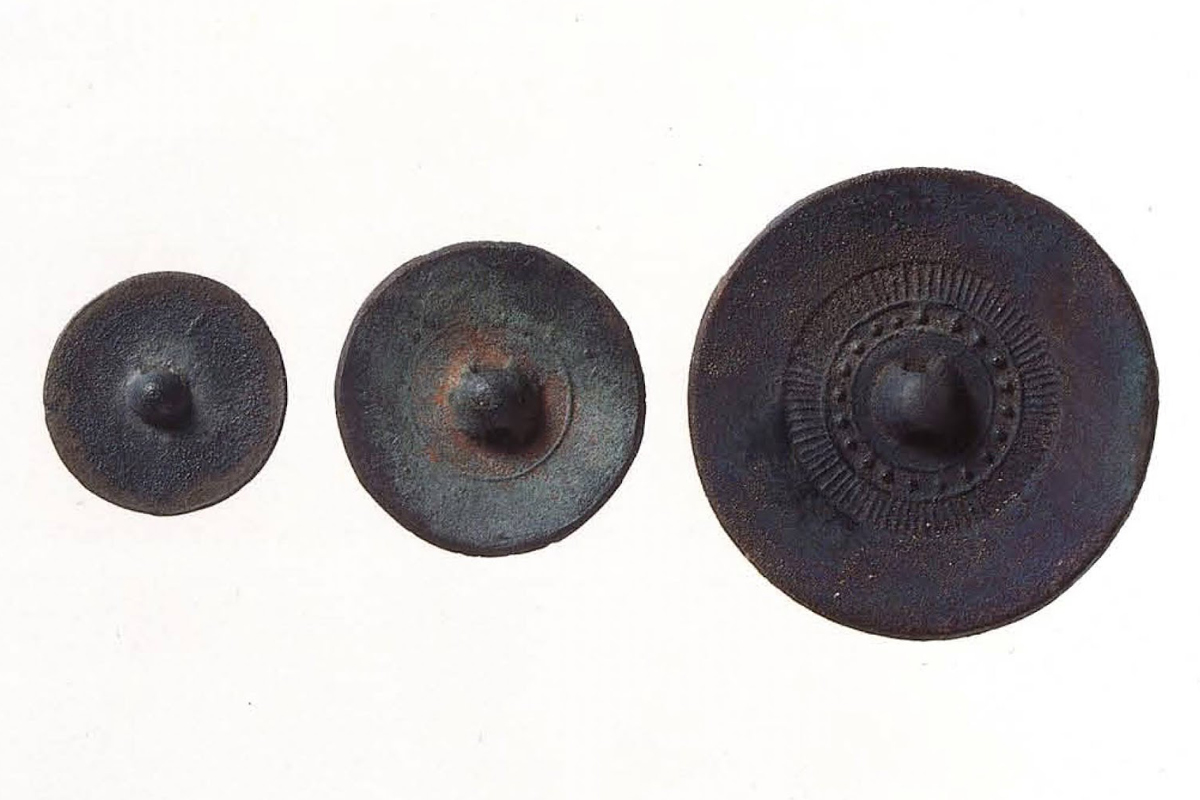
発掘された古墳時代の水のまつり。居石遺跡(おりいしいせき)高松市伏石町。
居石遺跡では、むかしの人々が願いを込めたと考えられる金属で作られた鏡が見つかっています。それは、川の岸辺に近い川底から見つかった、大きさの違う3面の鏡です。鏡は、北から大・中・小の大きさ順に50cmほどの間をあけて並べられ、川と水田とを結ぶ水路の入口に、まるでお供えされたように置かれていました。小型の仿製鏡(ぼうせいきょう / 日本で作れた鏡)であるこれらの鏡は、他の遺跡でも井戸のように水に関連する場所から見つかることが多く、居石遺跡の鏡も、水にまつわるまつりに使われたと考えられます。銅鏡の見つかった川底からは、一緒に古墳時代はじめ頃の土器が見つかっています。
高松平野でも弥生時代の米作りが始まったことがわかっていますが、水が足りないと米は育ちません。当時、貴重であった鏡をお供えし、米作りに必要な水がなくなることのないように願う、高松平野に生きた昔の人々の声が聞こえてくるようです。
A water ritual from the Kofun period unearthed at the Orii Site in Fushii-cho, Takamatsu City.
At the Orii Site, metal mirrors believed to have been imbued with the wishes of ancient people have been discovered. These consist of three mirrors of different sizes, found on the riverbed near the riverbank. The mirrors were arranged in order of size—large, medium and small—from north to south, spaced about 50 cm apart, and placed at the entrance to a waterway connecting the river and the rice paddies, as if they had been offered there. These mirrors, which are small imitation mirrors (made in Japan), are often found at other archaeological sites in places associated with water, such as wells; it is therefore thought that the mirrors at the Oriiishi Site were also used in a water-related festival. Pottery dating from the early Kofun period was also found alongside the bronze mirrors on the riverbed.
We know that rice cultivation began in the Yayoi period in the Takamatsu Plain, but rice cannot grow without sufficient water. It is as if we can hear the voices of the people who lived in the Takamatsu Plain long ago, offering mirrors—which were precious at the time—and praying that the water necessary for rice cultivation would never run out.
参考:古代の水の祈り『居石(おりいし)遺跡』 – Ancient, prayer for water, “Oriishi archaeological site”. | 物語を届けるしごと
縄文時代:
縄文時代は、狩猟や採集を生活の中心としていた時代です。現在、区画整理地内で見つかっているもののうち、もっとも古い時期が縄文時代でも最も新しい時期(晩期)の時や石器そして、木器が見つかっています。家の跡は見つかっていませんが、きっと近くにムラがあったのでしょう。
縄文土器 居石遺跡出土。深鉢と浅鉢。煤(すす)がついていることから、煮炊きに使われていたのでしょう。
木材 居石遺跡出土。木材を加工して、木器をつくる工程がわかる資料です。1)マルタを必要な長さに切り、2)縦に半分に割り、3)道具の形に削っていきます。斧の柄をつくっている途中のもの。

古墳時代:
古墳時代の遺跡は、他の時代に比べると発掘の件数は少ないです。ただし、平野縁辺の丘や山では多くの古墳が見られ、人が住んでいた集落の跡が将来見つかるかもしれません。区画整理地内では、居石遺跡で古墳時代前期の水路を発掘しています。川から水路に水を取り入れる水口から、小さな鏡が3枚並んで出土しました。おそらく、水が枯れることのないように祈りをこめて置いたのでしょう。
製鏡 居石遺跡出土。仿製鏡とは日本国内で中国鏡をまねて作られた鏡のことである。居石遺跡出土の鏡は、左から直径5.4cm・3.6cm・2.8cmと小さいタイプである。鏡は、古墳時代にあいては、実用品というより祭りや儀式のときに使われたと考えられています。
土師器(はじき) 居石遺跡出土。
2022/11/02
居石遺跡(おりいしいせき)高松市伏石町
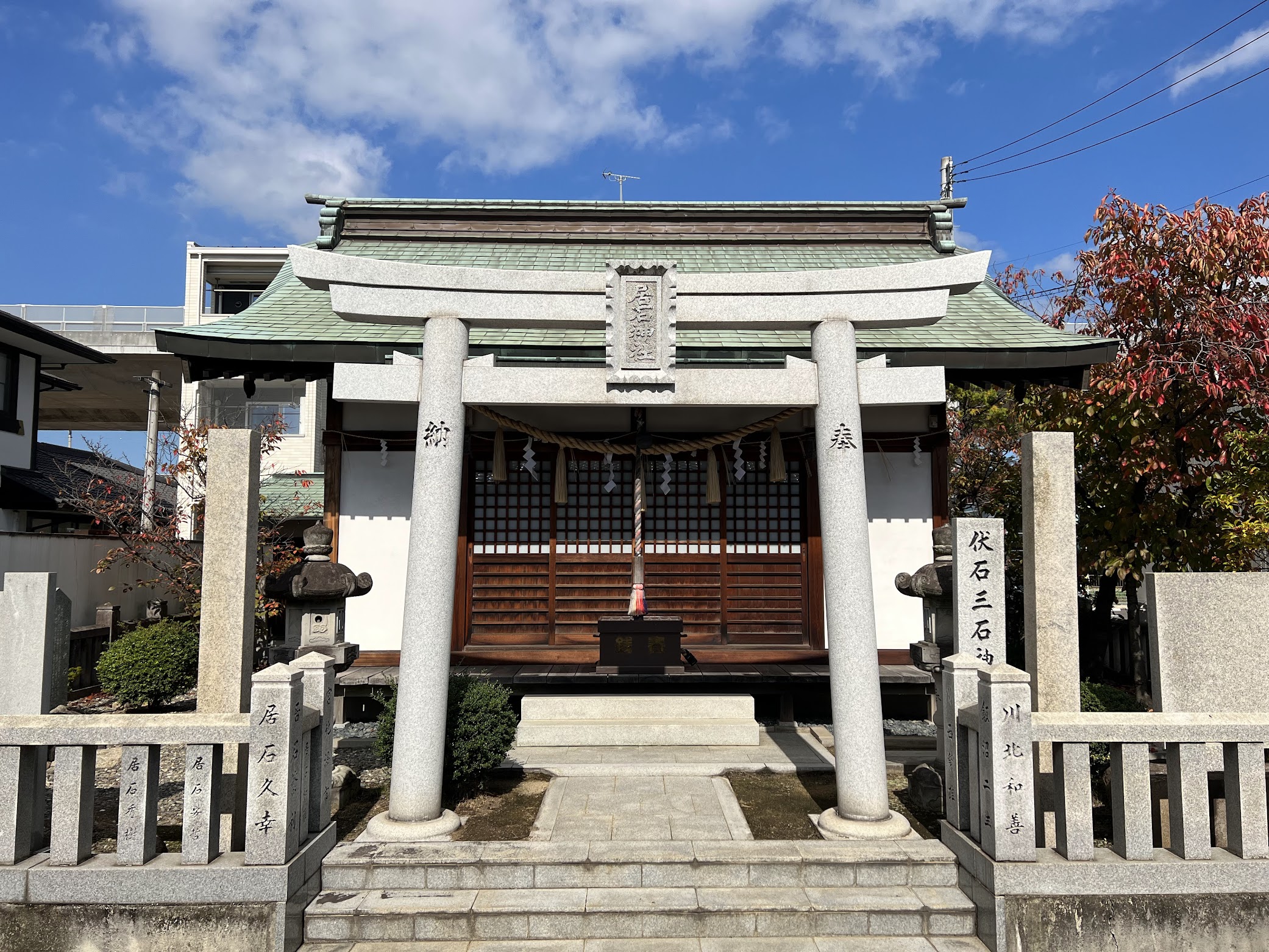


2023/12/23撮影

大井戸。1587年(天正15年)讃岐の領主となった生駒家初代・親正は 香東川の砂州上に高松城を築城して城下に武士・町人などを住まわせ城下町をつくったが、香東川がしばしば氾濫して治水に苦しんでいた。
生駒家四代高俊公(1611〜1659)のとき、家臣、西嶋八兵衛に命じて分流する 香東川の川筋を香川町大野で一方を塞き止めたが、このため城下の飲料水の質が悪くなったので町の各所に井戸を掘り、傍らに水神社を祀った。
その後、松平頼重公が寛永19年(1642年)に高松藩主になり、町の発展にともなう城下町の飲料水対策として、旧川筋に大井戸・亀井戸・今井戸などの給水池を整備し、地中に土管や木樋・竹管などを埋めて町々を排水した。
この時をはじめとする藩政時代の上水道は、その後引きづついて使用されていたが、現在の上水道が普及するにつれて順次廃れ、水源地となっていた井戸も大井戸を残すのみとなった。水源の乏しい高松にとって、藩政時代唯一の水道遺構であるこの井戸は、貴重な史跡です。高松市教育委員会。
Ōido. In 1587 (the 15th year of the Tenshō era), Chikamasa, the first head of the Ikoma clan who became lord of Sanuki, built Takamatsu Castle on a sandbank in the Kōtō River and established a castle town by settling samurai and townspeople there; however, the Kōtō River frequently flooded, causing great difficulties with flood control.
During the reign of Takatoshi (1611–1659), the fourth head of the Ikoma clan, he ordered his retainer, Nishijima Hachibei, to dam up one branch of the Koto River at Ōno in Kagawa Town. However, as this resulted in a deterioration in the quality of the castle town’s drinking water, wells were dug in various parts of the town, and a Mizushi Shrine was enshrined beside them.
Subsequently, when Lord Matsudaira Yorishige became the lord of the Takamatsu Domain in the 19th year of the Kan’ei era (1642), he implemented measures to address the town’s drinking water needs as the castle town developed. He constructed water reservoirs such as Ōido, Kameido and Imaido along the old river course, and buried earthenware pipes, wooden troughs and bamboo pipes underground to drain the town.
The water supply system established during the feudal era, beginning at this time, continued to be used thereafter; however, as the modern water supply system became widespread, it gradually fell into disuse, and of the wells that had served as water sources, only Ōido remains today. For Takamatsu, a city with scarce water resources, this well—the sole surviving water supply structure from the feudal era—is a valuable historical site. Takamatsu City Board of Education.
大井戸記念碑


2022/03/10撮影


2019/06/06撮影


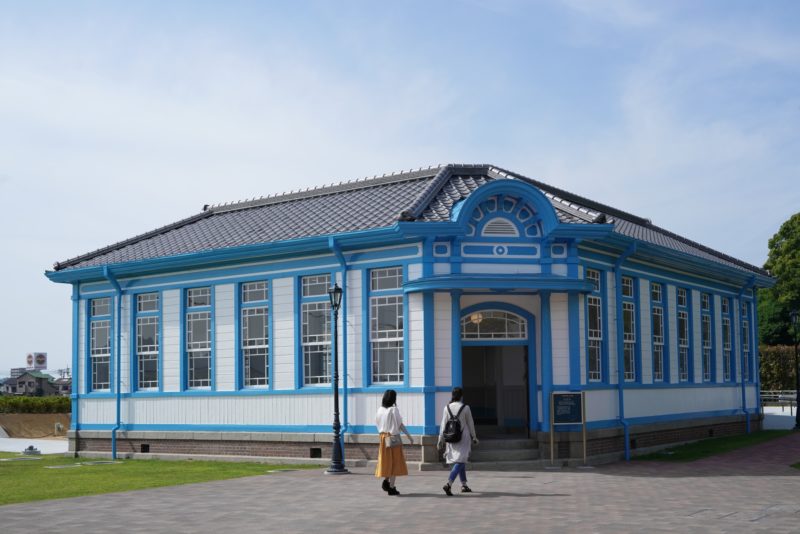
高松市水道資料館
1890年(明治23年)高松市制施行後、都市機能が整備されるなかで、都市の発展上一大要素となる上水道の創設を急務とする意見が起こった。1911年(明治44年)に東京帝国大学教授 中島鋭冶工学博士に調査を依頼し、現在の 香東川の伏流水を水源とする上水道敷設計画を進めた。1914年(大正3年)に認可を得て、同年11月工事に着工し、1921年(対大正10年)9月に給水を開始した。工事費は144万6117円で、給水能力は、一日最大給水量8,347立方メートルであった。
この資料館は、創設時の事務所とポンプ室で、1916年(大正5年)から1918年(大正7年)にかけて建てられた木造瓦葺き平屋建ての西洋風建築物である。館内には、江戸時代の配管図や創設時のポンプ、現在の水道のしくみなどを展示している。

Takamatsu City Waterworks Museum
Following the establishment of Takamatsu City in 1890 (Meiji 23), as urban infrastructure was being developed, there was a growing consensus that the creation of a water supply system—a key element for the city’s development—was a matter of urgency. In 1911 (Meiji 44), a survey was commissioned from Dr Eiji Nakajima, Professor of Engineering at the University of Tokyo, and plans were drawn up for a water supply system utilising groundwater from the present-day Koto River as its source. Approval was granted in 1914 (Taisho 3), construction began in November of the same year, and water supply commenced in September 1921 (Taisho 10). The construction cost was 1,446,117 yen, and the water supply capacity was a maximum of 8,347 cubic metres per day.
This museum is housed in the original office and pump room, a single-storey Western-style building with a tiled roof, constructed between 1916 (Taisho 5) and 1918 (Taisho 7). Inside, exhibits include piping diagrams from the Edo period, the original pumps, and the current water supply system.

江戸時代の水道設備。井戸側(井戸の周囲に設けた囲い)。高松城下では、1644年に、高松藩主・松平頼重の命で、湧水を水源とする水道が整備されたと考えられています。当時の水道は、地中に埋めた木樋(もくひ)と呼ばれる木製の管や土管などを使って、水源から個人用の井戸や共同の井戸へ水を引き、釣瓶(つるべ / 井戸の水を汲み上げるために縄や竿を取り付けた桶)などで汲み上げるものでした。
Water supply facilities of the Edo period. The well enclosure (a fence erected around the well). It is believed that in the town of Takamatsu, a water supply system drawing on spring water was established in 1644 by order of Matsudaira Yorishige, the lord of the Takamatsu domain. The water supply system of that era utilised wooden pipes buried underground, known as ‘mokuhi’, as well as clay pipes, to convey water from the source to private and communal wells, from which it was drawn using a ‘tsurube’ (a bucket fitted with a rope or pole for drawing water from a well).
2022/02/28撮影
亀井戸跡。生駒家4代高俊のとき、伊勢藩士・西嶋八兵衛によって石清尾山塊の東西に分流していた 香東川の流れを西側に合流させた。このとき城下町の給水源として給水地や井戸をつくった。その後、高松城下の飲料水が乏しくなったのを心配して、高松藩初代藩主・松平頼重は、生保元年(1644年)水源七箇所を選び、土管、木樋・竹管を埋めて水道をつくった。この亀井戸は湧き水の出る穴が甕(かめ)形の穴なので甕井(亀井)霊泉と呼び、その大きさはほぼ東西18m・南北36mあり、土地の人々は井戸と呼び、主として高松市の東北部に給水したという。その井戸のそばに、頼重は水神社をまつり敬神した。祭神は、伊邪那美命(イザナミノミコト)の御子である水波能売神(ミヅハノメノカミ)である。水波能売神は、日本神話、古事記に登場する水の女神。
Site of the Kameido Well. During the reign of Takatoshi, the fourth head of the Ikoma family, Nishijima Hachibei, a retainer of the Ise Domain, diverted the Koto River—which had previously flowed in two separate streams east and west of the Ishikiyama mountain range—so that they converged on the western side. At this time, water collection points and wells were constructed to serve as a water source for the castle town. Subsequently, concerned about the scarcity of drinking water in the town of Takamatsu, Matsudaira Yorishige, the first lord of the Takamatsu Domain, selected seven water sources in the first year of the Shōhō era (1644) and constructed a water supply system by burying earthenware pipes, wooden troughs and bamboo pipes. This Kameido well was called the Kamei (Turtle Well) Sacred Spring because the spring’s opening was shaped like a jar; it measured approximately 18 metres from east to west and 36 metres from north to south. The local people referred to it simply as a well, and it is said to have supplied water primarily to the north-eastern part of Takamatsu City. Near this well, Yorishige enshrined the Mizukami Shrine and worshipped the deity. The enshrined deity is Mizuhano-me-no-kami, the child of Izanami-no-mikoto. Mizuhano-me-no-kami is a goddess of water who appears in Japanese mythology and the Kojiki.


大井戸。

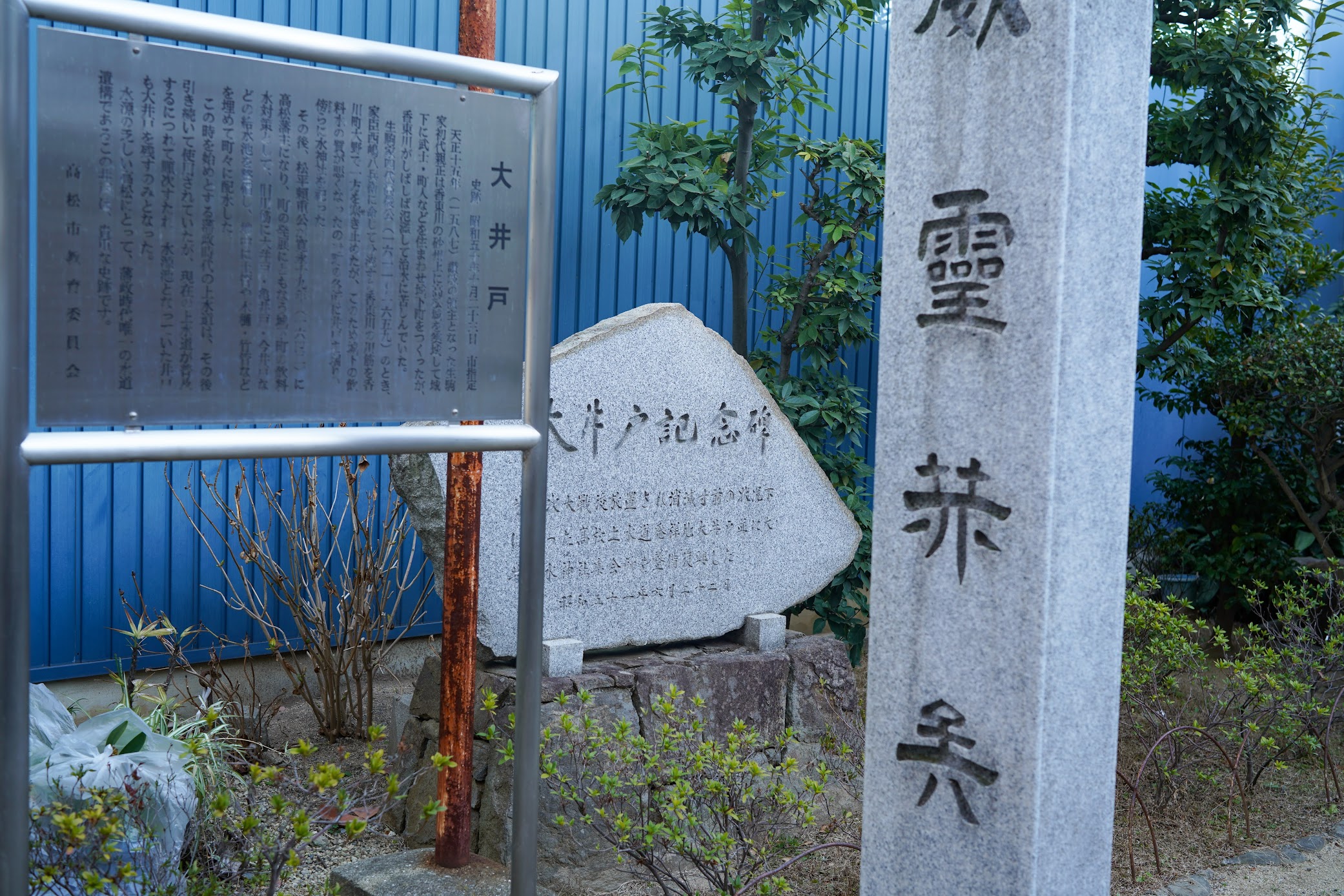


2022/12/23撮影
血屋敷井戸跡。高松城遺跡

桃山時代1588年ころのこと。瀬戸内海交易の要所にうかぶ天下とりをねらう 黒田官兵衛である。 高松城を設計したのは、 初代城主の生駒親正(いこまちかまさ)は、豊臣秀吉なきあとは、キリシタン大名 黒田の 時代がかならずくると信じておうえんした。 大願成就を ねがい、この場所に、黄金比でかこんだ一石積みの礼拝所をきずいた。 ゆるぎない団結のあかしとして、高松城南蛮天主閣を、みとおす位置のハート形つみ石には、ふたりの印(しるし)がひそかに膨りこまれた。 この礼拝所は丸町商店街からは、鬼門の方角でもあり、発展する城下町のひとびとを悪霊から守る役目もあった。 いつしか礼拝所は埋めたてられ、歴史からけされてしまったが、高松藩住宅古地図にはそのあとを、おどろおどろし暗号で「血屋敷井戸」と・明記している。 小説「源内・コード』より 安倍晴明
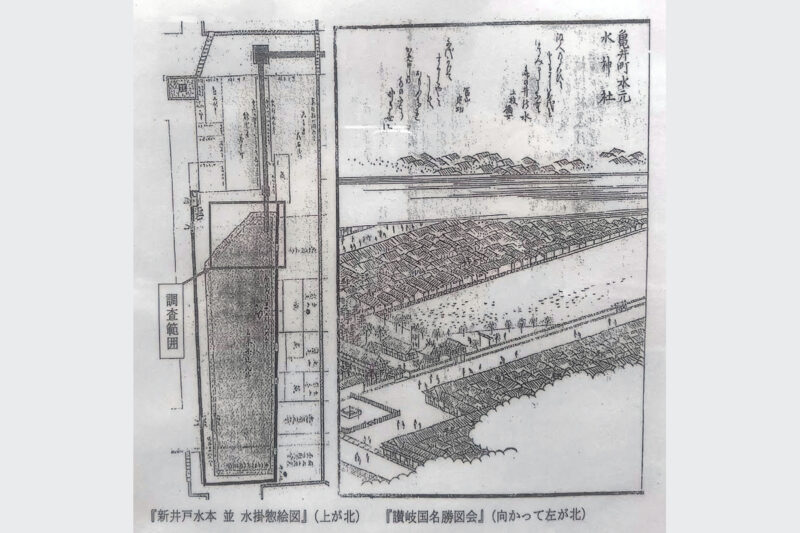
水源と水源施設
新井戸絵図によると、新井戸水源は亀井町にあり、上水本丸井と記されている。 規模は石垣で囲った南北三十三間五尺五寸(後61.7m)、東西石垣内法八間四尺八寸(約16.0m)の大きさで一階をめにいた短形の貯水絶状のものであった。 高松水道史より
『新井戸水本 並 水掛惣絵図』(上が北) 『讃岐国名勝図会』(向かって左が北)
Water Sources and Water Supply Facilities
According to the *Arai-do-ezu*, the Arai-do water source was located in Kamei-cho and is recorded as *Kamisu Honmaru-i*. It was a rectangular reservoir designed to hold water on the ground floor, measuring 33 ken 5 shaku 5 sun (approx. 61.7 m) from north to south and 8 ken 4 shaku 8 sun (approx. 16.0 m) from east to west, enclosed by stone walls. From the History of the Takamatsu Waterworks
‘Map of the Araido Water Source and Water Distribution System’ (north at the top) ‘Illustrated Guide to the Scenic Spots of Sanuki Province’ (north on the left)
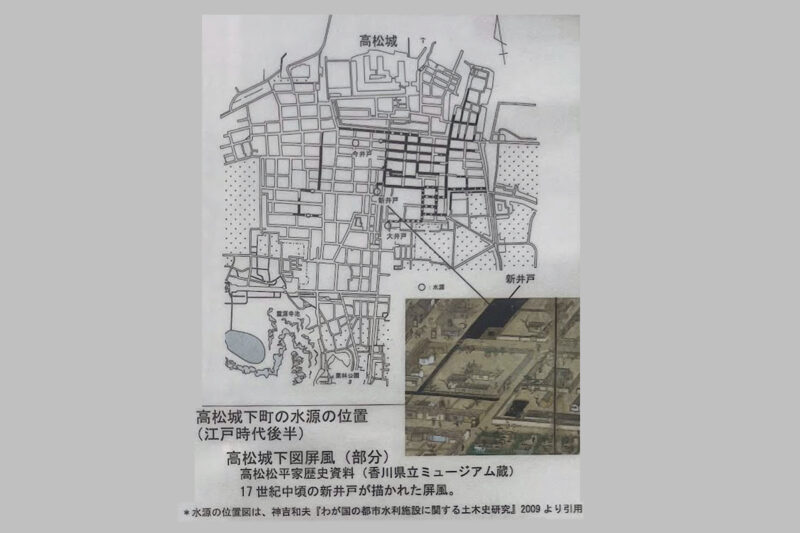
高松城下町の水源の位置 (江戸時代後半) 高松城下図屏風(部分) 高松松平家歴史資料(香川県立ミュージアム蔵) 17世紀中頃の新井戸が描かれた屏風。
*水源の位置図は、神吉和夫『わが国の都市水利施設に関する土木史研究』2009より引用
城下町高松水道の成立と発展
16世紀の終わりに、生駒親正により高松城と城下町が形成されます。生駒氏が治めた時代の城下町を描いた絵図に小規模な井戸は描かれていますが、水道管を設けた上水道について記された資料は確認されていません。生駒氏の治世には上水道はまだ敷設されていなかったと考えられます。寛永19(1642)年、生駒氏に代わって松平氏が高松を治めることになります。『讃岐国大日記』や『高松藩記』に、初代藩主松平頼重が、入封した2年後の正保元(1644)年に暗渠の水路による上水道を町人居住域に造ったと記されています。賴重は、城下町を発展させるためには早急に人口の割合が多い町人の居住域に水道網を造る必要があると考えたのかもしれません。 城下町の上水道は古文書などから湧水を水源としていたことが知られており、最も著名な水源が、今井戸、新井戸(井戸)、大井戸の3つです。
The Establishment and Development of the Water Supply System in the Castle Town of Takamatsu
At the end of the 16th century, Takamatsu Castle and its castle town were established by Ikoma Chikamasa. Although small wells are depicted in maps of the castle town from the period when the Ikoma clan ruled, no records have been found that mention a water supply system involving water pipes. It is believed that a water supply system had not yet been installed during the Ikoma clan’s reign. In 1642 (Kan’ei 19), the Matsudaira clan succeeded the Ikoma clan in governing Takamatsu. The *Sanuki-koku Dai-nikki* and the *Takamatsu-han-ki* record that the first feudal lord, Matsudaira Yorishige, constructed a water supply system using underground channels in the townspeople’s residential areas in 1644 (Shōhō 1), two years after he took up his post. Yorishige may have believed that, in order to develop the castle town, it was necessary to urgently establish a water supply network in the residential areas of the townspeople, who constituted the majority of the population. It is known from historical documents that the water supply for the castle town drew on spring water, with the three most notable sources being Imaido, Araido (Ido) and Oido.
町人居住域の上水道水源
町人居住域において、新井戸と大井戸はどちらも広範囲にわたって給水できる重要な水源でした。先に新井戸が築かれ、城下町が南へ拡大することに伴い大井戸が設けられたと考えられています。これらが給水していた範囲は異なっていました。
新井戸は平成22(2010)年に一部が発掘調査され、19世紀前半頃の様子が最もよく分かりました。この時期に水源の北側の一部を埋め立て石積みの導水路が設けられていました。『御用留』には、嘉永2(1849) 年に石に変更したことが記されており、この記述に対応する遺構と考えられます。また、石垣で築かれた水源の輪郭は北西側が斜めに欠ける形状(右図の11期)となっていました。この形状は、『讃岐国名勝図会』の新井戸の形と合致しています。
この発掘調査では、水源の構造や当時の土木技術の一端が明らかになったこと、複数回改修されていることが分かったこと、絵図や古文書と照合できる新井戸の遺構を発見できたことが成果と言えます。
Water Sources for the Townspeople’s Residential Area
Within the townspeople’s residential area, both the New Well and the Great Well were vital water sources capable of supplying water over a wide area. It is believed that the New Well was constructed first, and that the Great Well was established as the castle town expanded southwards. The areas they supplied differed.
Part of the New Well was excavated in 2010, providing the clearest insight into its condition during the early 19th century. During this period, a stone-lined water channel was constructed by filling in part of the northern side of the water source. The *Goyōdome* records that the material was changed to stone in 1849 (Kaei 2), and these remains are thought to correspond to that description. Furthermore, the outline of the water source, constructed with stone walls, featured a shape where the north-western side was cut diagonally (Phase 11 in the diagram on the right). This shape corresponds to the depiction of the new well in the *Sanuki-no-Kuni Meisho Zue* .
The achievements of this excavation include clarifying the structure of the water source and aspects of the civil engineering techniques of the time, confirming that it underwent multiple renovations, and discovering the remains of the new well that can be cross-referenced with illustrations and historical documents.
2022/02/28撮影
日本最大水城、海水を堀に引き込んでいる高松城

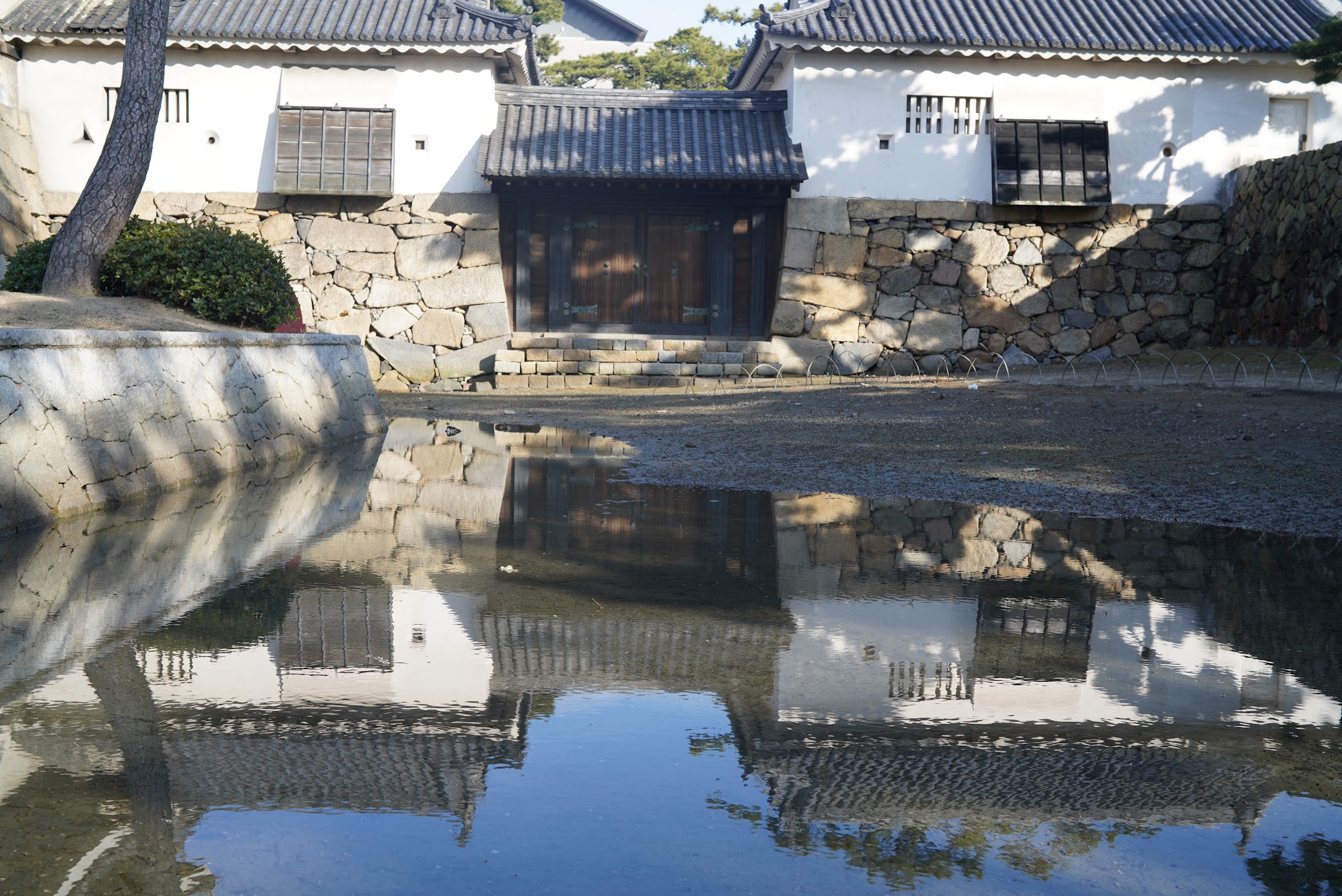

月見櫓。参勤交代から返ってくる殿様が「着くのを見る」から月見(つきみ)櫓。

重要文化財
昭和25年(1950年)8月29日重要文化財指定
高松城(玉藻城ともいう)を築城した生駒氏の治世は4代54年間続きましたが、寛永17年(1640年)に出羽の国の矢島1万石(秋県利本時間)に移封されました。その後、寛永19年(1642年)松平頼重公(水戸黄門の兄)が東讃岐12万石の領主に封ぜられてこの城に入って以来、明治2年(1869年)まで11代228年間、松平氏の居城であり、日本三大水城の一つに数えられています。
月見櫓は、松平氏入封以後新たに海面を埋め立てて作られた郭(くるわ)の隅櫓(すみやぐら)として延宝4年(1676年)2代頼常(よりつね)公の時代に、完成されたものです。ことに渡櫓は生駒氏築城による海手門を改修して建てられました。かつて、これらのの外まで海であって、船からこの水手御門を経て、直ちに城内へ入れるようになっていたところからみて、この橋は海手出入りの監視防備のための隅橋であったものとおもわれます。
月見櫓の特色としては、内部に初層から三層の屋根裏まで通じる4主社が中央に通っていて、それに梁をかけて組立てていることや外壁に装飾的な黒い長用を廻していること、軒は垂水形を塗り出さず一連の大壁としていること、月見より渡櫓に至る一連の建築構道美などが挙げられます。これらの諸建物は松平家から松平公益会に移され、さらに昭和29年(1954年)1月に高松市が譲り受け、翌年3月から国庫・県費補助を得て解体復元工事に着手し、約1700万円を費やして同32年(1957年)3月に竣工しました。
An Important Cultural Property
Takamatsu Castle Kitanomaru Tsukimiyagura(Tsuzukiyagura), Mizutegomon, Watariyagura, designated as an important cultural property on August 29, 1950
The reien of the Ikoma family. who constructed Takamatsu Castle (Tamamo Castle), lasted 54 years, and spanned four generations. In 1640 the Ikomas were transferred to Yashima-machi, a fief yielding 10,000 koku (an unit of grain equaled to 5.12 US bushels) in Dewa. Presently this area is known as Yashima-machi, Yurihonjo city in Akita prefecture. Later in 1642 Yorishige Matsudaira (elder brother of Mitokomon) moved in to the castle as a lord of Eastern Sanuki (120,000 koku). From that time until 1869 – for 11 generations, a period of 228 years – the Matsudaira resided in this Takamatsu Castle. The castle is noted as one of the Japan’s three castles on the water. In 1676, during the reign of Yoritsune who was of the second generation of the Matsudairas, Tsukimiyagura (the moon-viewing tower) was completed as a corner tower on the place which had been made by reclaiming land from the sea after the Matsudairas became lord. Watarivagura (the tower bridge with a gate below) was a renovation of Umitemon (the gate facing the seal which was constructed by the Ikomas. In those days the seawater flowed on the outer side of these towers, which enabled boats to go through the Mizutegomon (the gate facing the sea and directly enter the inside of the castle. Thus, the towers seemed to have served as corner towers to watch boat traffic coming in and out of the castle and to defend against enemy invasion. Tsukimiyagura is characterized by the following features: the four main interior pillars standing in the center which pieces of timber on the outer walls: the eaves which instead of showing gables, show plain clay walls; the beauty of architectural structures observed within the conjunction of Tsukimiyagura and Watariyagura. In 1927, these constructions changed hands from the Matsudairas to the Matsudaira-koukikai and in Januarv, 1954, they were turned over to Takamatsu City. In March, 1955 the city launched a program of demolition and restoration. This work was subsidized by the national coffers and prefectural funds. The renovation cost approximately 17 million yen and was completed in March, 1957.
2023/12/16撮影
雨乞いを祈っていたと伝わる「百々渕(どうどうぶち)」(香川県高松市塩江)。
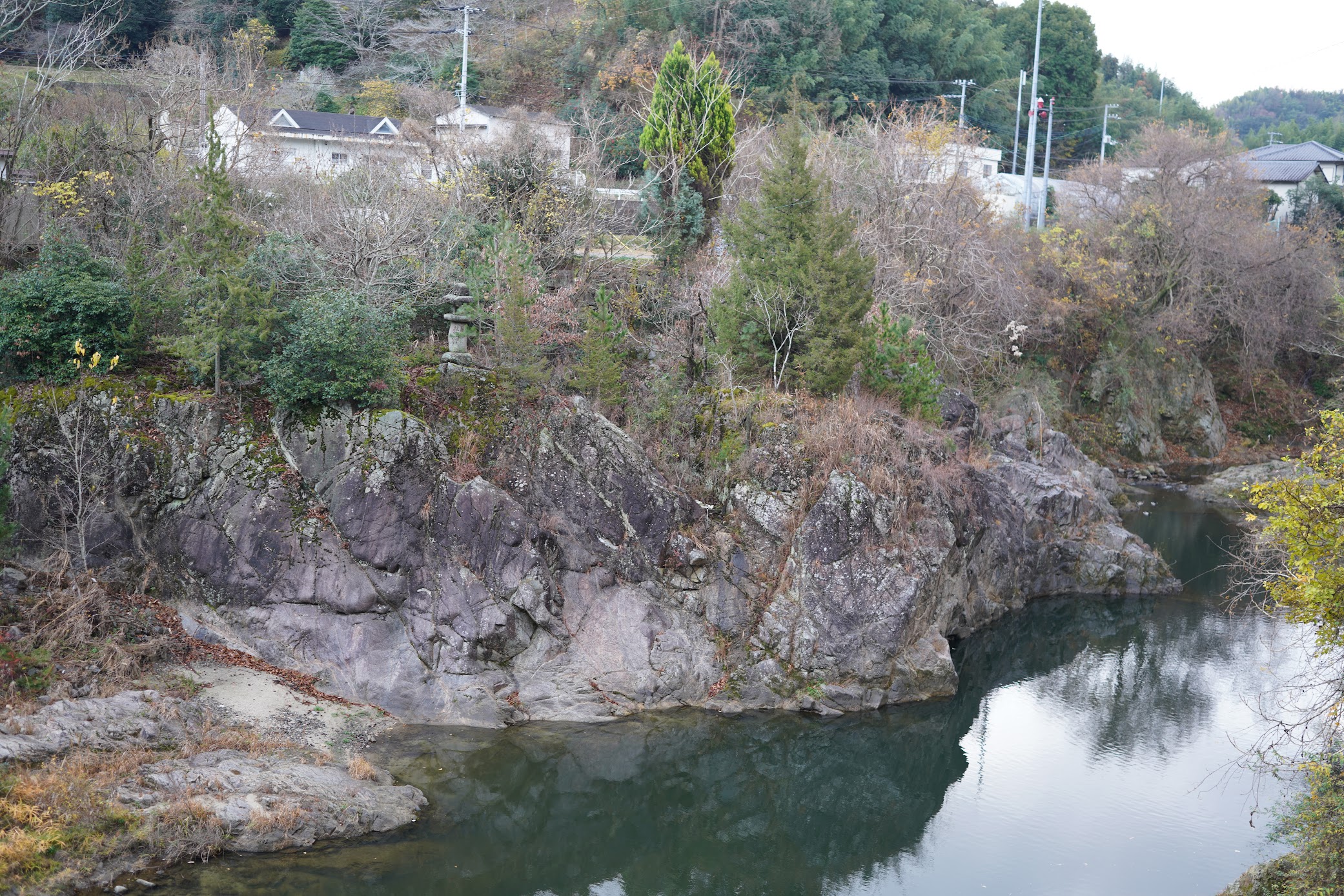
《伝説》昔、安原郡百々渕(どどがふち:現在の塩江町)に大蛇が住み、近隣の住民を悩ませていた所、弓矢の名人別次八郎が、当山、千手観音に「一矢当たれば千矢の霊験あれ」と祈願し、大蛇を見事退治した所、大蛇がこの鐘を冠っていたということです。竜神の夢告により、この鐘は当山に奉納されることとなったと伝わります。

赤い橋は、高松空港の着陸する飛行機のための誘導灯


2024/01/11撮影
三谷三郎池

三谷三郎池の「じゃ」


三谷三郎池のハイキングコース。田園風景が広がるこのあたりのサイクリングツアー、オススメです。

三谷三郎池窯跡。香川県高松市三谷三郎池(みたにさぶろういけ)西岸窯跡(せいがんかまあと)で行われた最古段階の須恵器生産。須恵器(すえき)は、古墳時代中期(5世紀)に誕生した新たな焼物です。それまで日本になかった朝鮮半島から伝わった技術で作られました。令和5年度第2回香川県埋蔵文化財センター考古学講座を開催します|香川県


2020/11/27撮影
三郎池の水が抜かれて昔の川跡が現れています。もとは三谷池。築造時代は不明。1628年、讃岐国・生駒高俊の家臣、西嶋八兵衛が各地にため池を築造・修築したそのひとつと伝わる。数度の改築が行なわれ、昭和4〜16 年に堤防の嵩上げ・樋管の改修 等で貯水量176万t、ほぼ現在の三郎池に。


大本家漆原屋敷跡 [Google Maps]

瀬戸内海歴史民俗資料館
2018/08/31撮影
雨乞いの龍。香川県三豊市仁尾町。1980年(昭和55年)制作。(仁尾町雨乞龍民俗資料保存会)

滝の宮の念仏踊り。雨乞い奉納の団扇(うちわ)。香川県綾川町の滝宮神社と滝宮天満宮に毎年8月25日に奉納される滝宮の念仏踊(国重要無形民俗文化財)。渇水時に臨時に踊られる雨乞い奉納の際、下知(げんじ)が持つ大団扇。常例の時は「太陽と月」が表裏にあしらわれますが、雨乞いのときには「雨と水」の文字となります。踊り手の笠の縁の垂(しで)も、常例時には金銀や赤青の色紙が貼られますが、雨乞いのときには水色になります。

【香川】『滝宮の念仏踊』ユネスコ無形文化遺産 – [Kagawa] “Takinomiya no Nenbutsu Odori” UNESCO Intangible Cultural Heritage.
雨乞いの祠。香川県まんのう町
Prayer for Rain Shrine

亀井戸跡 -高松丸亀町商店街G街区第一種市街地再開発事業に伴う発掘調査- 現地説明会資料 – PDF
文献・絵図に見る亀井戸跡
亀井戸跡は現在の高松市鍛冶屋町に造られた上水道の水源となった井戸(貯水池)跡で、江戸時代の文献では新井戸とも呼ばれています。1640年代中頃に描かれたと考えられる『高松城下図屏風』には亀井戸の場所に水源の表現があり、さらに『高松藩記』には高松藩主松平頼重が正保元(1644年)年に暗渠工事を行ったという記述が見られます。このことから、亀井戸は17世紀中頃に造られた可能性が最も高いと考えられます。いずれにしても、亀井戸跡は江戸時代の高松において湧水を利用した本格的な上水施設の水源と言えます。なお、高松の城下町に造られた上水道には亀井戸の系統のほか、大井戸(瓦町)や今井戸(麿屋町)など他の系統もあります。天保年間(1830~44年)頃に描かれた『高松新井戸水本並水掛惣絵図』には、亀井戸からどのような順序で水を引いていたのかが詳しく記されており、それによれば亀井戸は主に城下町の東側に水を供給していたことが分かります。その範囲は、古馬場町・今新町・丸亀町など19町にもおよびます。これらの地域には多くの町長屋があり、そこに住んでいた人々にとって亀井戸は欠くことのできない存在だったものと考えられます。同絵図によると、井戸の大きさは、南北が約61.7m、東西が約16.0m、平面の形は北西隅を斜めに欠いた長方形だったことが分かります。なお、19世紀中頃の亀井戸とその周辺の様子は、嘉永7(1854)年に描かれた『讃岐国名勝図会』からも知ることができます。
調査の成果
発掘調査は、絵図で示された亀井戸跡において平成22年7月26日より開始し、同年9月末までに合計約890㎡を調査する予定です。現在は、調査対象地の北側をL字状に約200㎡調査しています。今回の調査で、亀井戸に関わる石垣・導水路・取水施設などの遺構が見つかりました。
井戸の形
調査区の北側と東側の端で、東西・南北方向の石垣を検出しました。さらに、調査区北側の東西方向の石垣(外側の石垣)から南へ約5.2mの位置でも、東西方向の石垣(内側の石垣)を確認しました。内側の石垣は、東側では調査区東端の南北方向の石垣と接続し、西側では斜めに曲がって南西方向に造られています。内側と外側の石垣の関係ですが、外側の石垣を埋めたのちに内側の石垣が造られており、少なくとも内側の石垣が新しいことが分かります。内側の石垣は、残りの良い所で高さが1.3m程度あり、このことから井戸の水を貯める部分の深さは1.3m以上あったことが分かります。石垣は、30~60㎝程度の大きさの石を「野面積み」という積み方で積み上げています。石垣の石には、花崗岩や凝灰岩などが使われています。
取水部分の構造
井戸の水を城下町へ引くために、井戸内部の北東側に出島状に築いた水を集める施設(取水施設)を造っています。取水施設は、井戸底部よりも1段高く石を積み上げ、その内側は溝状となっています。取水施設の内側には、幅33㎝、高さ18㎝の木樋と呼ばれる水を流す木の管を据えていました。木樋は底板が良好に残っていました。木樋を検出した長さは約4mで、木樋の南端の方が北端よりもわずか3㎝ほど低くなっています。取水施設の北側には、凝灰岩を長方形に削った石を積み上げて導水路を造っています。導水路は検出した長さが約6m、内側の幅が70㎝で、導水路の上には板石の長い方を東西に置いて蓋としていました。導水路は調査区の北側にも続いており、取水施設に設けられた木樋から導水路を通って北側の城下町へ水を流していたと考えられます。井戸の埋め戻し
内側の石垣で囲まれた範囲は、主に砂で埋められていました。その砂には近代の遺物が含まれていることから、井戸は近代以降に埋められたことが分かります。水神社境内に建てられていた初代市長赤松渡撰文の『亀井霊泉碑』によれば、明治24(1891)年に約7.3m四方に縮小したと記載されています。まとめ
調査途中のため変更する場合もありますが、現在のところ以下の3点の成果を得ることができました。1)江戸時代の絵図に示された場所で井戸を検出し、19世紀に描かれた『高松新井戸水本並水掛惣絵図』や『讃岐国名勝図会』で表現されている北西隅が斜めに欠ける井戸の形と一致することが明らかとなりました。
2)井戸の水は、木樋から導水路を経て北側へ流れていたことが分かり、どのような仕組みで水を供給していたのかということを具体的に知ることができました。
亀井戸を調査したことで、高松市の上水道の歴史の一端が明らかとなり、なおかつ近世の土木技術の水準がどれほど優れていたのかということを考えるうえで重要な情報が得られました。
750BC:県下の縄文社会に水稲耕作が伝わる。(林坊城(はやしぼうじろ)遺跡・丸亀市平池南(ひらいけみなみ)遺跡)
500BC:このころ塩飽諸島を通じて新文化が伝わる。水田(高松市佐古長池(さこながいけ)遺跡)、井堰(いぜき)(坂出市川津下樋(かわつしもどい)遺跡)環豪集落が建設される(中の池・鴨部川田(かべかわた)遺跡など)。
538:仏教が伝わり、大陸文化が入る。
550頃:須恵器(すえき)の製造が盛んになる。須恵器の窯は池や川の近くに多く、木材や製品を、川などを利用して運んだ。
701:大宝年間、初めて満濃池を築く。
818:満濃池の堤防が決壊する。
821:満濃池の復旧は困難を極め、朝廷に築池別当として空海が派遣され満濃池を復旧する。
888:大干ばつがおこり、讃岐国守の菅原道真が城山で降雨を祈願する。
1627:西嶋八兵衛、藩命により龍満池(高松市)小田池(高松市)福江大池(坂出市)を築造する。
1628:西嶋八兵衛、満濃池の改修に着手する。また三谷池(三郎池・高松市)を改築し、瀬丸池(三豊市)を築造する。
1635:西島八兵衛、神内池(高松市)を築造する。
1637:西島八兵衛、松島より新川に至る堤防を築き、福岡、木太、春日の新田を拓く。また郷東川の水路を付け替える。
1644:高松城下に上水道を敷設。
1645:高松領内で大日照りが続く。この頃、矢延平六がため池を改修。高松領内で新池406が築かれ、あわせて1366になったと伝えられる。
1668:夏大干ばつ、百々渕(どうどうぶち)(高松市)で雨を祈る。
1669:矢延平六が新池(高松市香川町川内原)を築くと伝えられる。
1706:5月6月が大干ばつ、雨を百々渕(どうどうぶち)(高松市)に祈る。
1710:6月、7月大干ばつ。降雨を百々渕に祈る。8月23日、大風雨で堤防ことごとく決壊する。でき死者100余人。穀物も実らず。
1739:夏、大干ばつ。百々渕(どどがふち / 香川県高松市塩江町)に雨を祈る。8月5日~6日、大洪水。濁流が丘に登り、稲田は水をかぶる。1909:高松市「大井戸水源地」の拡張工事が完成する。
1916:高松市御殿浄水場が完成。
1926:豊稔池(観音寺市)の築造に着手する。
1930:豊稔池が完成する。
コメントを残す