


![【樹齢600年 天然記念物】岩部八幡神社の大銀杏 – [600 year-old tree / Natural monument]Ginkgo trees of Iwabu Hachiman Shrine](https://yousakana.jp/wp-content/uploads/2020/11/Panorama_Iwabu-hachiman-shrine_Icho_06-800x538.jpg)
![【広島】嚴島神社 – [Hiroshima] Itsukushima shrine](https://yousakana.jp/wp-content/uploads/2024/10/itsukushima-shrine-800x533.jpg)
![【徳島】サーフィンとコーヒーをこよなく愛すマスターのお店『とよとみ珈琲』 – [Tokushima] Toyotomi Coffee](https://yousakana.jp/wp-content/uploads/2020/04/toyotomi-coffee.jpg)
![【香川】桃太郎伝説の残る『鬼ヶ塚』の桜 – [Kagaawa] Cherry blossoms at Onigazuka, where the legend of Momotaro remains.](https://yousakana.jp/wp-content/uploads/2023/03/panorama_sakura_kinashi-800x533.jpg)
![【香川】船越八幡神社のオトグイ神事 - [Kagawa] Otogui ritual at Funakoshi Hachiman Shrine](https://yousakana.jp/wp-content/uploads/2024/12/otogui_mitoyo_kagawa-973x649.jpg)
香川県三豊市詫間町大浜にある船越八幡神社の祭礼にあたり、神社が香田(こうだ)地区にあったことに由来して、香田地区の明(みょう)神社にオハケとオトグイ棚が設けられ、オトグイ神事が行われます。また香田地区の人たちが船越八幡神社の神饌(しんせん)を用意し供えます。船越八幡神社のオトグイ神事は、地域住民が主催する鳥喰神事の香川県内唯一の伝承例です。
During the festival of Funakoshi Hachiman Shrine in Ohama, Takuma-cho, Mitoyo City, Kagawa Prefecture, an ohake and an otogui shelf are set up at Myojinsha in the Kada area, where the otogui ritual is performed, originating from the fact that the shrine was located in the Kada area. The people of the Kada area also prepare and offer the Funakoshi Hachiman Shrine’s food offerings.The Otogui ritual at Funakoshi Hachiman Shrine is the only surviving example in Kagawa Prefecture of a torigui ritual organised by local residents.
船越八幡神社のオトグイ神事
日程:10月第一金・土・日曜日
場所:香川県三豊市詫間町香田地区
指定:文化財三豊市無形民俗文化財
Otogui ritual at Funakoshi Hachiman Shrine
Date: 1st Friday, Saturday and Sunday of October
Place: Kada district, Takuma-cho, Mitoyo City, Kagawa Prefecture
Designation: Cultural property, Mitoyo City Intangible folk cultural property
2024/10/06
香川県三豊市詫間町香田に伝わる「船越八幡神社のオトグイ」は、単に「カラスに握り飯を食べさせる神事」ではありません。民俗学的に見ると、①神を迎える、②潔斎する、③神饌を供える、④鳥の行動によって年占をする、⑤特定集落が祭祀を担う、という複数の古い祭祀要素が一体になったものです。

2025年3月28日に香川県指定無形民俗文化財となりました。指定理由では「神迎え儀礼の典型」「香田を中心とする宮座祭祀の変化を示すもの」「地域住民が主催する鳥喰神事の県内唯一の伝承例」と評価されています。
参考:県指定有形文化財(考古資料)、県指定無形民俗文化財の指定について|香川県教育委員会
船越八幡神社は、現在は三豊市詫間町大浜に鎮座しています。祭神は応神(おうじん)天皇・仲哀(ちゅうあい)天皇・神功皇后(じんぐうこうごう)で、旧荘内村と香田、家の浦などを氏子地域としてきた神社です。ところが、秋祭りで中心的な役割を担うのは、現在の神社所在地である大浜ではなく、香田地区です。その理由として伝えられているのが、船越八幡神社がもともと香田に祀られていたという由来です。香川県教育委員会の指定説明書では、香田にはかつて七軒の家があり、その七軒がトウヤを務めていた船越八幡神社は香田から大浜へ移ったと伝えられるその移転伝承と結びついて、香田のモトミヤでの神迎えや、船越八幡神社への供物などが祭礼に組み込まれていると説明されています。つまり、現在の祭礼を理解するうえでは、「神社は大浜にあるが、祭祀の重要な記憶と役割は香田に残っている」という点が非常に重要です。

Funakoshi Hachiman Shrine is currently located in Ohama, Takuma-cho, Mitoyo City. Its deities are Emperor Ojin, Emperor Chuai and Empress Jingu, and the shrine has traditionally served the former Shonai Village and the areas of Kada and Ie-no-Ura as its parish communities. However, it is not Ohama, where the shrine is now located, but the Kada district that plays a central role in the autumn festival. The reason traditionally given is that Funakoshi Hachiman Shrine was originally enshrined in Kada. According to the explanatory document for its designation by the Kagawa Prefectural Board of Education, Kada was once home to seven households, and these seven households took turns serving as toya, the local festival hosts. It is said that Funakoshi Hachiman Shrine was subsequently moved from Kada to Ohama. The rituals associated with the former shrine site in Kada, including welcoming the deity at Motomiya and preparing offerings for Funakoshi Hachiman Shrine, have been incorporated into the present-day festival. In other words, to understand the festival as it exists today, it is important to recognise that although the shrine itself is now in Ohama, important memories and ritual responsibilities associated with it remain in Kada.


船越八幡神社
神亀(しんき)元年・勧請
御親祭:仲哀(ちゅうあい)天皇、應神(おうじん)天皇、神功(じんぐう)皇后

狛犬。「阿形(あぎょう)」

「吽形(うんぎょう)」。阿形は「阿(あ)」、吽形は「吽(うん)」。これは、古代インドのサンスクリット語に由来する「ア」と「ウン」という音で、仏教では「阿吽(あうん)」として、物事の始まりと終わりを象徴するものとされてきました。神社の狛犬だけでなく、寺院の仁王像などにも同じ表現を見ることができます。一般的には、向かって右が口を開いた阿形、左が口を閉じた吽形です。阿形が「ア」と声を発し、吽形が「ウン」と口を結ぶことで、一対として「阿吽」を表現しています。


足名椎神(あしなずちのかみ)社、手名椎神(てなずちのかみ)社


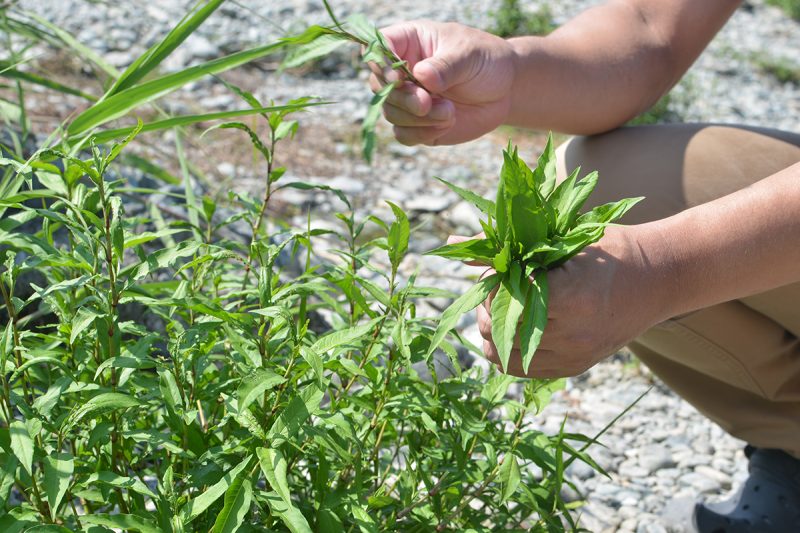
波止艾山之神(はとよもぎやまのかみ)社


天狗


神輿(みこし)


香川高等専門学校 詫間キャンパス

オトグイ棚。「オトグイ」は何をするのかオトグイは、握り飯を供えて、烏(カラス)がそれを食べるかどうかを見る神事です。香川県教育委員会はこれを「鳥喰神事(御鳥喰神事)」と呼び、烏が供物を啄むか否かによって年の吉凶を占うものと説明しています。ここは重要で、ネット上には「白い鳥が食べるとよい」と説明する記事もありますが、県の指定説明書・県立ミュージアムの資料では基本的に「烏」と記されています。

The Otogui ritual involves placing rice balls as an offering and observing whether crows eat them. The Kagawa Prefectural Board of Education refers to this as a “bird-feeding ritual” (御鳥喰神事, o-torigui shinji), explaining that the crows’ pecking at, or failure to peck at, the offering is used as a form of divination to determine the auspiciousness or inauspiciousness of the coming year. This point is important. Some articles online state that it is a good omen if a white bird eats the offering, but the Kagawa Prefectural Board of Education’s designation document and the prefectural museum’s materials essentially describe the bird as a crow (烏, karasu).


—
瀬戸内海歴史民俗資料館。オトグイ棚。香川県三豊市詫間町香田。神霊を依り憑かせ、神祭をする棚。香川県三豊市詫間町大浜にある船越八幡神社の秋祭り。トウヤ組ではオトグイ棚がつくられ、神が降り立つ目印になる高い神木が立てられ、神迎えが行われます。オトグイ棚にはオトグイと呼ばれる神饌(握り飯)がお供えられ、それを白い鳥が食べると良い年になると言われています。

詫間町大浜にある船越八幡神社の祭礼にあたり、当神社が香田地区にあったことに由来して、香田地区の明神社にオハケとオトグイ棚が設けられ、オトグイ神事が行われる。また香田地区の人たちが船越八幡神社の神饌を用意し供えます。三豊市無形民俗文化財。
Setouchi Folk History Museum. Otogui Shelf. Koda, Takuma-cho, Mitoyo, Kagawa. An Otogui Shelf is a ritual shelf used to invite and enshrine a divine spirit during a Shinto festival. During the autumn festival of Funakoshi Hachiman Shrine in Ohama, Takuma-cho, Mitoyo, an Otogui Shelf is erected by the Touya group. A tall sacred tree is set up as a marker for the descent of the deity, and a ritual is performed to welcome the deity. Offerings known as “otogui”, in the form of rice balls, are placed on the shelf. It is said that if a white bird eats the offering, it will be a sign of a good year ahead. The shrine was formerly located in the Koda district. For the festival of Funakoshi Hachiman Shrine, an Ohake and an Otogui Shelf are therefore set up at Myojin Shrine in Koda, and the Otogui ritual is performed there. The people of Koda also prepare and offer the sacred food for the Funakoshi Hachiman Shrine festival. The Otogui ritual has been designated an Intangible Folk Cultural Property by the City of Mitoyo.
船越八幡神社のオトグイ神事
日程:10月第一金・土・日曜日
場所:香川県三豊市詫間町香田地区
指定:文化財三豊市無形民俗文化財
Otogui ritual at Funakoshi Hachiman Shrine
Date: 1st Friday, Saturday and Sunday of October
Place: Kada district, Takuma-cho, Mitoyo City, Kagawa Prefecture
Designation: Cultural property, Mitoyo City Intangible folk cultural property
香川県指定無形民俗文化財の指定について(令和7年3月19日) – PDF
船越八幡神社のオトグイ
・神迎え儀礼の典型
秋祭りの始まりに、長い御神木(オハケ)を立てて神を迎える、本県の神迎え儀礼の典型例である。オタナや御神木の形状・製作方法、神人共食など、決まり事(旧習)が守り伝えられるとともに、潔斎などの儀礼も厳格に行われる。・本県の秋季祭礼の展開を示す。
氏子地区のうち、特定集落(香田)が中心役を担う祭礼の組織形態は、かつて香田に住む七軒による宮座祭祀が変化した在り方を示し、本県の秋季祭礼の展開を知るうえで重要である。・県内唯一の事例
神迎えにおいては、烏が供物を啄むか否かを通して年の吉凶占いも行われており、地域住民が主催する鳥喰神事(御鳥喰神事)の県内唯一の伝承例としても貴重である。種別:無形民俗文化財
名称及び員数:船越八幡神社のオトグイ 1件
所在の場所:三豊市詫間町
保護団体の名称及び住所:船越八幡神社の大祭・オトグイ保存会(香川県三豊市詫間町大浜甲1638)概要
船越八幡神社のオトグイは、香川県三豊市詫間町・仁尾町の荘内半島六地区の氏神である船越八幡神社において、毎年10月第一土・日曜日に香田地区から選ばれたトウニンを中心に行われる秋祭りである。神迎え・神送りの儀礼や潔斎など、古くからの決まり事がよく守られており、神迎えにおいては鳥喰による年占いも執り行われる。三豊市は香川県西部に位置し、六地区は瀬戸内海に突き出す荘内半島の各浦に所在する集落である(香田、大浜、生里、箱、積、家浦)。現在、家浦は三豊市仁尾町、それ以外の集落は三豊市詫間町に属するが、江戸時代には沖合の粟島と志々島を含めて庄内村を構成しており、大浜が集落域、戸数や人口などにおいて他の浦々を圧倒し(『西讃府志』安政5年(1858))、大庄屋も置かれるなど、庄内村の中心集落となる。
船越八幡神社は大浜に所在し、『射礼式萬々歳百々手道人組合記録』(宝暦13年(1763))には、神亀元年(724)に八幡大菩薩を南海に建立するよう卜占があり、当地に社殿を建立した後、神鏡を乗せた船が家浦に着き、宇佐八幡の尊体として祀るよう勅命があったと記される。創建時期は判然としないが、別当寺である円明院蔵の観音菩薩懸仏(船越八幡神社旧蔵)の墨書銘から、康正元年(1455)にはその存在が確認できる。
祭りの最初に、香田のトウニンは浜で海水と潮砂を持ち帰った後、トウニンを中心とするトウグミは、香田にある船越八幡神社のモトミヤと伝わる社の前にあるイワサカ(御神体(石))を覆うようにオタナを作る。オタナは4本の芯棒の間に24本(閏年は26本)の女竹を交差させながら組み、割竹で周囲を囲い、縄で七周半巻き、ヤマモモの木を挿す。さらに、イワサカに接するようにオタナに長い御神木を立て、その先端に12本(閏年は13本)の御幣を挿したワラスボを巻き付け、麻糸を付ける。その後、イワサカを海水と潮砂で清め、甘酒や洗米などを供え、宮司による祝詞が行われた後、参加者はカワラケ(紙コップ)で甘酒、ヤマモモの葉で洗米を一すくい食する。なお、香田では御神木が立つことで祭りが始まったと認識される。
宵祭の早朝、トウニンは、潮垢離の後、オタナにオトグイと呼ばれる握り飯を供える。このオトグイを烏が食べるとその年は良いと言い、トウニンにケガレがあると烏はこれを食べないという。トウニンは地区内の小祠を参った後、船越八幡神社へ移動する途中の浜でオトグイを握り、神社境内の一角にある高良神社の屋根にオトグイ、木村神社にはネコヤナギ製の箸12本(閏年は13本)を供える。
翌日の本祭の早朝、香田のトウニンは潮垢離を行った後、モトミヤのオタナにオトグイを供え、船越八幡神社に向かい、高良神社の屋根に再度オトグイを供える。神社本殿の祭典において、トウニンは香田から持参した蛤、枝豆等の供物の献饌及び撤饌を行った後、本殿裏の水路に鯉を放流する(放生会)。午後から、御旅所に向けた神輿の渡御が始まる。行列では大浜が太鼓・万歳旗、家浦が八幡旗・日月旗、生里が毛槍を務めるなど、六地区が固定役を担う。行列は、大浜への神社移転時に案内役を務めたと伝わる名部戸(大浜に属する小集落)の岡田家が天狗の面を被って先導し、香田のトウニンは烏帽子を着用し、麻糸を付けた金の御幣を持って神輿に付き添い、その後ろに各地区の氏子総代が白の御幣を携えて続く。
御旅所から神社への還幸の後、香田のトウニンはモトミヤに戻る。トウニンを中心としたトウグミが集い、イワサカに潮砂、洗米、甘酒をふりかけ、宮司が祝詞を奏上した後、海水をまき、一同で洗米と甘酒をいただく。そして、御神木を倒し、ワラスボをモトミヤの祠に納める。こうした一連のオシズメと呼ばれる儀礼をもって、船越八幡神社の祭礼が終了する。
香田では、以下の船越八幡神社の由来が伝えられている。
かつて豊後から香田に移り住んだ七軒の者が宇佐八幡神社を勧請し、香田に祀ったとも、家浦に流れ着いた御神体を香田に祀ったともいう。香田の土地が狭いため、八幡さんに土地探しを命じられた高良さんは、大浜の木村神社の土地を藁一把分借りることに成功し、八幡神社は大浜に移った。この移転伝承は、船越八幡神社の記録とはやや異なるが、船越八幡神社の祭礼において香田が中心役を担う理由を伝えるとともに、香田のモトミヤでの神迎えや木村神社への箸の献饌など、祭礼に組み込まれた行為の由来を知ることができる。なお、香田という特定集落が中心役を担う以前には香田の7軒の家筋がトウヤを務めており、この伝承は本件がかつては香田7軒の宮座祭祀として執り行われていた片鱗も伝える。
また、香田(伝承では香田の7軒の家筋)が中心役を務めることは江戸中期以降の文書で確認でき(前掲宝暦13年文書、『地志撰述之儀ニ付下書 三野郡庄内組』天保14年(1843))、本件が少なくとも江戸時代中期から継続していることが分かるほか、幕末の地誌(『西讃府志』、安政5年(1858))には船越八幡神社の祭りで鳥喰による年占いが行われていたことが記載されており、本地域で認識されている年占いの裏付けとなる。
鳥喰神事はかつて香川県の一部地域において数例確認できたが、伝承例は本件と宇夫階神社(宇多津町)の初白祭に限られるとともに、地域住民が主催する鳥喰事例は本件のみとなる(初白祭は神職が主催)。平成18年の「香川県祭り・行事調査」において、トウグミによるオタナ製作や供物の準備、トウニンによる潔斎やオトグイづくりなど、行事の実施が確認された。令和5年までに実施された調査でも、行事は同様に実施されていた。
文化財としての価値(指定理由案)
本件は、荘内半島六地区を氏子とする船越八幡神社で行われる秋祭りである。秋祭りの始まりに際して、長い御神木(オハケ)を立てて神を迎える本県の神迎え儀礼の典型例であり、オタナや御神木の形状や製作方法、神人共食など、決まり事(旧習)が守り伝えられるとともに、潔斎などの儀礼も厳格に行われるほか、特定集落が中心役を担う祭礼の組織形態は宮座祭祀の変化した在り方を示し、本県の秋季祭礼の展開を知る上で重要である。また、神迎えにおいては年の吉凶占いも行われており、地域住民が主催する鳥喰神事(御鳥喰神事)の県内唯一の伝承例としても貴重である。
既存の保護措置:三豊市指定無形民俗文化財「船越八幡神社のオトグイ神事」(平成2年指定)
指定基準:無形民俗文化財1 風俗慣習のうち次の各号のいずれかに該当し、特に重要なもの
(1) 由来、内容等において県民の基盤的な生活文化の特色を示すもので典型的なもの参考文献等:
香川県教育委員会編 1982『香川県の祭礼(上巻)―祭礼記録作成―』
香川県教育委員会編 2008『香川県の祭り・行事―香川県祭り・行事調査報告書―』
香川県民俗調査会 1951『香川県祭事習俗調査報告』香川県教育委員会
斉賀保子 1981「三豊郡詫間町船越八幡のオトグイマツリ」『香川の民俗』33
詫間町教育委員会編 1989「船越八幡神社のオトグイ」『詫間町の文化財 第12集 民俗(1)』Otogui at Funakoshi Hachiman Shrine
A typical example of a Shinto ritual for welcoming the deity
At the beginning of the autumn festival, a tall sacred tree (ohake) is erected to welcome the deity. The ritual is regarded as a typical example of the deity-welcoming ceremonies found in Kagawa Prefecture. Traditional rules and practices (kyūshū), including the form and construction of the otana and sacred tree, as well as the communal sharing of food between the deity and human participants (shinjin kyōshoku), have been carefully preserved and passed down. Ritual purification (saikai) is also carried out strictly.
Evidence of the development of autumn festivals in Kagawa Prefecture
Among the shrine’s parish communities, the fact that a particular settlement, Kada, takes the central role in organising the festival reflects a form of festival organisation that developed from the miyaza ritual system formerly conducted by the seven households of Kada. This is important for understanding the development of autumn festivals in Kagawa Prefecture.
The only surviving example of its kind in Kagawa Prefecture
During the deity-welcoming ritual, the pecking or non-pecking of the offering by crows is used to divine whether the coming year will be auspicious or inauspicious. It is therefore particularly valuable as the only surviving example in Kagawa Prefecture of a torigui (also known as o-torigui) ritual organised by local residents.
Type: Intangible Folk Cultural Property
Name and number: Otogui at Funakoshi Hachiman Shrine — 1 case
Location: Takuma-cho, Mitoyo City
Name and address of the preservation organisation: Funakoshi Hachiman Shrine Grand Festival and Otogui Preservation Society, 1638 Ohama-ko, Takuma-cho, Mitoyo City, Kagawa PrefectureOverview
Otogui at Funakoshi Hachiman Shrine is an autumn festival held at Funakoshi Hachiman Shrine, the ujigami shrine of six communities on the Shonai Peninsula in Takuma-cho and Nio-cho, Mitoyo City, Kagawa Prefecture. It takes place annually on the first Saturday and Sunday of October, with a tōnin selected from the Kada district playing the central role. Traditional practices, including rituals for welcoming and sending off the deity and ritual purification, have been carefully preserved. During the deity-welcoming ceremony, a form of divination known as torigui is also performed.
Mitoyo City is located in western Kagawa Prefecture. The six communities are settlements situated around the various inlets of the Shonai Peninsula, which projects into the Seto Inland Sea: Kada, Ohama, Ouri, Hako, Tsumoru and Ie-no-Ura. Today, Ie-no-Ura belongs to Nio-cho, Mitoyo City, while the other settlements are part of Takuma-cho. During the Edo period, however, these communities, together with the offshore islands of Awashima and Shishijima, formed Shōnai Village. Ohama was by far the largest of the settlements in terms of its area, number of households and population, and, as recorded in the *Saizan Fushi* of 1858, it became the central settlement of Shōnai Village, with a senior village headman also based there.
Funakoshi Hachiman Shrine is located in Ohama. The *Sharei-shiki Banbanzai Momote Dōjin Kumiai Kiroku*, dated 1763, records a tradition that in 724 a divination was performed concerning the establishment of Hachiman Daibosatsu in the Southern Sea. After a shrine building was erected at the present location, a boat carrying a sacred mirror arrived at Ie-no-Ura, and an imperial order was issued for it to be enshrined as the sacred body of Usa Hachiman. The precise date of the shrine’s foundation is uncertain, but its existence can be confirmed by an inscription in ink on a hanging Buddhist plaque depicting Kannon, formerly belonging to Funakoshi Hachiman Shrine and now kept at its former bettōji, Enmyō-in. The inscription dates from 1455.
At the beginning of the festival, the tōnin of Kada brings seawater and sand from the shore back to the village. The tōgumi, the group centred on the tōnin, then constructs an otana in front of a shrine said to be the motomiya, or former main shrine, of Funakoshi Hachiman Shrine in Kada. The otana is made by weaving 24 strips of moso bamboo (26 in leap years) between four central poles. The structure is enclosed with split bamboo, wrapped seven and a half times with rope, and a bayberry branch is inserted into it. A tall sacred tree is then erected on the otana so that it touches the iwasaka, the sacred stone regarded as the deity’s sacred body. At its top, a warasubo wrapped with 12 gohei streamers (13 in leap years) is attached, together with a hemp cord. The iwasaka is then purified with seawater and sand from the shore. Offerings including amazake and washed rice are presented, followed by a norito prayer by the chief priest. Participants then drink amazake from kawarake vessels and eat a scoop of washed rice using a bayberry leaf.
In Kada, the erection of the sacred tree marks the beginning of the festival.
Early on the morning of the eve of the main festival, the tōnin performs salt-water purification and places rice balls known as otogui on the otana as an offering. It is said that if crows eat the otogui, the year will be a good one; if the tōnin is considered to be in a state of ritual impurity, the crows will not eat it. After visiting the small shrines within the district, the tōnin makes the otogui on the beach while travelling towards Funakoshi Hachiman Shrine. At the shrine, otogui is offered on the roof of Kōra Shrine, while twelve willow twigs made from neko-yanagi (thirteen in leap years) are offered at Kimura Shrine.
Early the following morning, on the day of the main festival, the tōnin of Kada again performs salt-water purification, offers otogui at the otana of the motomiya, and proceeds to
指定:文化財三豊市無形民俗文化財
場所:香川県三豊市詫間町香田地区
日程:10月第一金曜日・土曜日・日曜日概要詫間町大浜にある船越八幡神社の祭礼にあたり、当神社が香田地区にあったことに由来して、香田地区の明神社にオハケとオトグイ棚が設けられ、オトグイ神事が行われる。また香田地区の人たちが船越八幡神社の神饌を用意し供える。
参考文献:「船越八幡神社のオトグイ」詫間町教育委員会『詫間町の文化財第12集』1989、「香田のオトグイ神事」香川県教育委員会『香川県の祭り・行事』2008
香川県内の大社で、オトグイ神事が行われるのは、船越八幡神社(三豊市詫間町)と宇夫階神社(宇多津町)だけです。宇夫階神社のオトグイ神事は、トウヤによるものではなく、宮司家によって行われています。
香田(三豊市詫間町)でのオトグイ神事は、今もトウニンの潮垢離など厳しい潔斎を伴い、決まりごとに従いオトグイ棚をつくるなど、オトグイの旧習をよく伝えています。
『香川県の祭り・行事 〜香川県祭り・行事調査報告書〜』(2008年3月 香川県教育委員会)より
旧荘内村と香田、家の浦を氏子とする船越八幡神社は、応神天皇、仲哀天皇、神功皇后をお祀りしています。境内の絵馬堂には、幕末から昭和初期にかけて製作された歌仙絵や歴史絵、船絵馬、芝居絵などが奉納されており、これらは市指定有形民俗文化財に指定されています。
西讃府誌によると、神亀元年(724)に「宇佐八幡宮が御船に乗ってこの地に着かせ給うた」とあります。
また、西讃府誌とは別に、こんな伝承もあるそうです。昔、香田の人が山で仕事をしているとき、家の浦の祝戸というところでキラキラと光るものを見つけました。不思議に思って近づいてみると、それは「神様」でした。
そこで、この「神様」をどこにお祀りしたらよいかと浦の人々に相談したところ、朝日のよく当るところがいいだろうということになり、西香田の南の高台で、後に「モトミヤ」と呼ばれるところ(今の詫間電波高専の正門の南)にお祀りすることになり、後に船越の地に移されることとなりました。境内には、他にたくさんの末社があります。その中の一つが、絶世の美人の神様と言われる木村神社。木之花佐久夜毘売命(このはなのさくやひめのみこと)をお祀りしています。
コメントを残す