
![【香川】萩寺、最明寺 - [Kagawa] Saimyoji Temple](https://yousakana.jp/wp-content/uploads/wordpress-popular-posts/51419-featured-120x120.jpeg)
![【香川 2025年9月頃】サンポート高松に外資系ホテルが開業予定 - [Kagawa Around Sep. 2025] New hotel will open in Sunport Takamatsu](https://yousakana.jp/wp-content/uploads/wordpress-popular-posts/49869-featured-120x120.jpeg)

![【香川】エコで涼しい!高鉢山の風穴 - [Kagawa] Blowing cave of Mt. Takahashiyama](https://yousakana.jp/wp-content/uploads/wordpress-popular-posts/52188-featured-120x120.jpg)

![【香川】春日川の川市 – [Kagawa] River market of Kasuga river](https://yousakana.jp/wp-content/uploads/wordpress-popular-posts/49605-featured-120x120.jpeg)


![【高知 毎年2月11日】土佐の三大祭り『秋葉祭り』 仁淀川町 – [Kochi Feb. 11th ] Akiba Festival of Niyodogawa town](https://yousakana.jp/wp-content/uploads/2017/02/akibafestival_kochi-800x536.jpg)
![【小豆島】みのりジェラート – [Shodoshima island] MINORI GELATO](https://yousakana.jp/wp-content/uploads/2021/06/MINORI-GELATO_Shodoshima-island-800x533.jpg)
![【香川県指定史跡】車で行ける瀬戸内の島、沙弥島(しゃみじま)のナカンダ浜 – [Historic site by Kagawa pref.] Nakandahama beach of Shamijima island](https://yousakana.jp/wp-content/uploads/2026/07/Nakandahama-beach-800x533.jpg)
![【香川 讃岐十景】奇岩と清流『三霞洞渓谷』 – [Kagawa] Mikado Valley](https://yousakana.jp/wp-content/uploads/2021/11/Mikado-Valley_kagawa-800x533.jpg)

![【香川】船越八幡神社のオトグイ神事 – [Kagawa] Otogui ritual at Funakoshi Hachiman Shrine](https://yousakana.jp/wp-content/uploads/2024/12/otogui_mitoyo_kagawa-800x533.jpg)
![【香川 1/11】高松市消防出初式 – [Kagawa 11 Jun] The Firefighter New Year’s Ceremony](https://yousakana.jp/wp-content/uploads/2026/01/The-Firefighter-New-Years-Ceremony-800x533.jpg)
![【香川】日本のウユニ塩湖。瀬戸内海『父母ヶ浜(ちちぶがはま)』の夕景 – [Kagawa] Beautiful sunset of Setouchi “Chichibugahama” beach](https://yousakana.jp/wp-content/uploads/2019/10/chichibugahama-beach-800x534.jpg)
![【豊島】豊島に残る豊かな食卓 『豊島農民福音学校』- [Teshima island] The evangelistic school for farmers at Teshima island](https://yousakana.jp/wp-content/uploads/2018/04/teshima-nomin-fukuin-school-800x536.jpg)
![【高知】魚を守る道、アイスハーバー型らせん魚道 – [Kochi] Ice Harbor type spiral fishway](https://yousakana.jp/wp-content/uploads/2022/10/Ice-Harbor-type-spiral-fishway_Kochi-800x534.jpeg)
![【愛媛】西条はそば処『西條そば 甲』 – [Ehime] Saijo Soba “KINOE”](https://yousakana.jp/wp-content/uploads/2020/08/DSC00001-800x534.jpg)
![【小豆島】肥土山(ひとやま)の石風呂 – [Shodoshima island] Stone Bath of Hitoyama](https://yousakana.jp/wp-content/uploads/2021/06/Stone-Bath-of-Shodoshima-island-800x533.jpeg)
![【香川】豊浜ちょうさ祭り – [Kagawa] Toyohama Chousa Festival](https://yousakana.jp/wp-content/uploads/2014/10/toyohama-chousa_festival.jpeg)

![【高知】仁淀ブルーの聖地『にこ淵』 – [Kochi] Niko Buchi, the sacred place of Niyodo Blue](https://yousakana.jp/wp-content/uploads/2025/07/nikobuchi_niyodo-river_kochi-800x533.jpg)
![【愛媛】川辺の緑化建築『新谷菖蒲園』 – [Ehime] Riverside greening architecture ‘Shintani Iris Garden’.](https://yousakana.jp/wp-content/uploads/2021/11/Ehime_Niiya-Iris-Garden-800x534.jpeg)
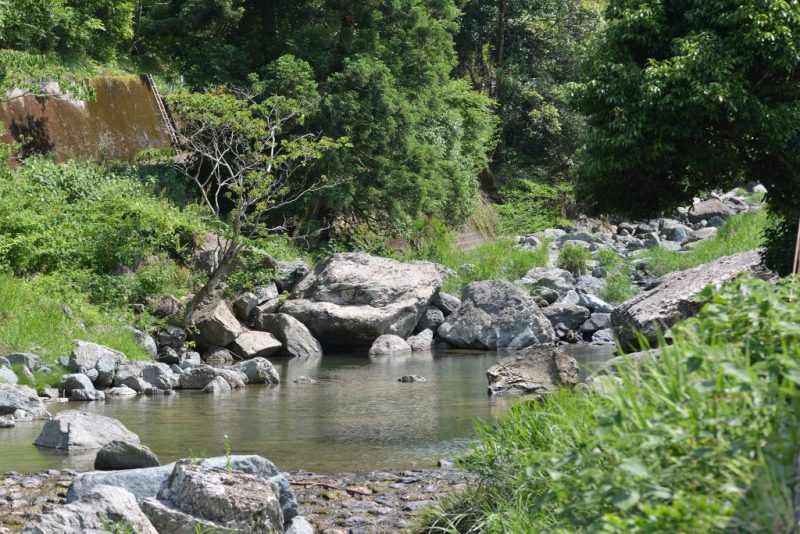
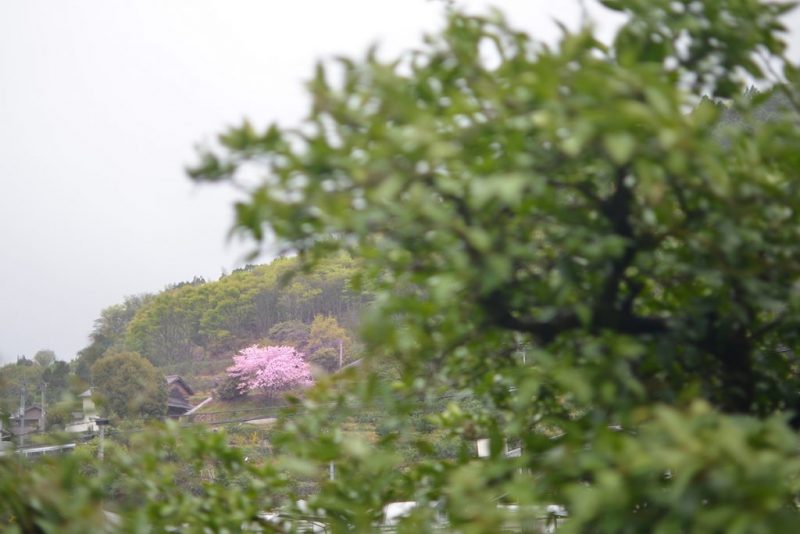
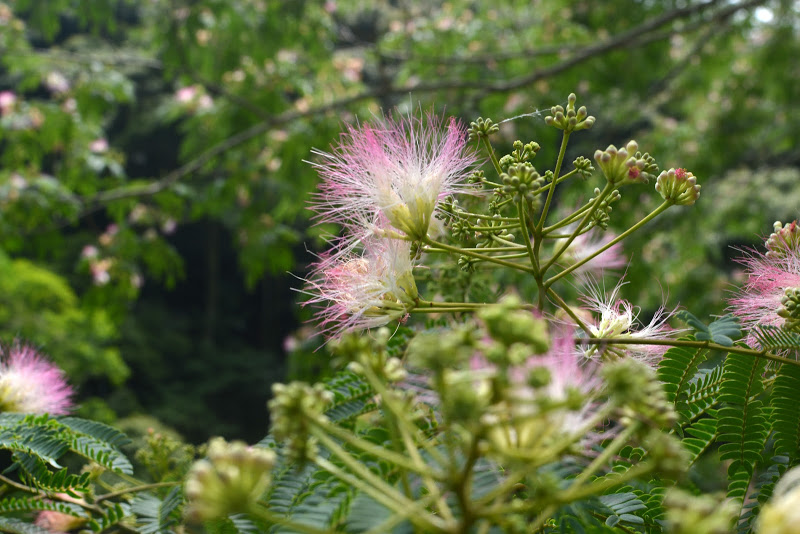
佐那河内村の道を車で走っていたら川沿いに
ネムノキ(合歓の木)の花が綺麗に咲いているのをみつけたので撮影してきました。
I took photographs of Persian silk tree at Sanagochi village, Tokushima pref., Japan.


ネムノキ – Wikipedia
ネムノキ(合歓木、Albizia julibrissin)はマメ科ネムノキ亜科の落葉高木。葉は2回偶数羽状複葉。花は頭状花序的に枝先に集まって夏に咲く。淡紅色のおしべが長く美しい。香りは桃のように甘い。果実は細長く扁平な豆果。マメ科に属するが、マメ亜科に特徴的な蝶形花とは大きく異なり、花弁が目立たない。
イラン、アフガニスタン、中国南部、朝鮮半島、日本の本州・四国・九州に自生する。陽樹であり、荒れ地に最初に侵入するパイオニア的樹木である。河原や雑木林に生え、高さは10mにもなる[3]。芽吹くのは遅いが、成長は他の木と比較すると迅速である。
ネムノキ属は主として熱帯に150種ほどが分布するが、その中でネムノキは飛び抜けて耐寒性が強く高緯度まで分布する。温帯で広く栽培され、一部で野生化している。
和名のネム、ネブは、夜になると葉が閉じること(就眠運動)に由来する。漢字名の「合歓木」は、中国においてネムノキが夫婦円満の象徴とされていることから付けられたものである。
観賞用の他に、街路樹としても使われることがある。害虫駆除、鎮痛、家畜の飼料などにも利用される。 中国医学ではネムの花を生薬として用いる。性は平、味は甘であり、精神安定や不眠解消の効果があるとされる。樹皮にはタンニンが含有され、打撲傷に効能がある。Albizia julibrissin – Wikipedia
Albizia julibrissin (Persian silk tree, pink silk tree) is a species of tree in the family Fabaceae, native to southwestern and eastern Asia.The genus is named after the Italian nobleman Filippo degli Albizzi, who introduced it to Europe in the mid-18th century, and it is sometimes incorrectly spelled Albizzia. The specific epithet julibrissin is a corruption of the Persian word gul-i abrisham (گل ابریشم) which means “silk flower” (from gul گل “flower” + abrisham ابریشم “silk”).
コメントを残す