
![【香川 4/20】アスパラ大騒ぎ 2025 - [Kagawa Apr. 20] Aspara Osawagi 2025](https://yousakana.jp/wp-content/uploads/wordpress-popular-posts/27191-featured-120x120.jpg)
![【高知】魚を守る道、アイスハーバー型らせん魚道 – [Kochi] Ice Harbor type spiral fishway](https://yousakana.jp/wp-content/uploads/wordpress-popular-posts/50244-featured-120x120.jpeg)
![【香川】丹下健三設計「船の体育館」取り壊しが決まっている香川の文化遺産をホテルに - [Kagawa] Kenzo Tange's ‘Boat Gymnasium.’ A cultural heritage site in Kagawa that is scheduled for demolition will be converted into a hotel.](https://yousakana.jp/wp-content/uploads/wordpress-popular-posts/53147-featured-120x120.jpg)

![【香川】川沿いをピンクに彩る80本の桜。湊川『河津桜ロード』 - [Kagawa] Kawazu Cherry Blossom Road](https://yousakana.jp/wp-content/uploads/wordpress-popular-posts/49092-featured-120x120.jpeg)

![【香川】春日川の川市 – [Kagawa] River market of Kasuga river](https://yousakana.jp/wp-content/uploads/wordpress-popular-posts/49605-featured-120x120.jpeg)


![【女木島 8/2-3】島の神様に捧げるお祭り『住吉神社大祭』 – [Megijima island 2-3 Oct.] The shrine festival at Megijima island](https://yousakana.jp/wp-content/uploads/2017/08/megi-island-festival-800x533.jpg)
![【香川 4/26】「かえましょ、かえましょ」滝宮天満宮の特殊神事『うそかえ神事』 – [Kagawa 4/26] Usokae ritual at Takinomiya Tenmangu Shrine](https://yousakana.jp/wp-content/uploads/2025/04/usokae_takinomiya-shrine-800x533.jpg)
![【香川 2025年9月頃】サンポート高松に外資系ホテルが開業予定 – [Kagawa Around Sep. 2025] New hotel will open in Sunport Takamatsu](https://yousakana.jp/wp-content/uploads/2022/06/sunport-takamatsu_hotel-800x533.jpeg)
![【香川】未盗掘の古墳から出土した古墳時代の武人の甲冑「相作馬塚古墳」 – [Kagawa] Armour belonging to a warrior from the Kofun period, unearthed from an undisturbed burial mound “Aisako-umazuka Kofun”](https://yousakana.jp/wp-content/uploads/2026/03/SKN05471-800x534.jpg)
![【愛媛】犬寄峠の黄色い丘 – [Ehime] The Yellow Hill at Inuyose Pass](https://yousakana.jp/wp-content/uploads/2026/04/TheYellowHill_InuyosePass-1-800x534.jpg)
![【香川】一生に一度は行きたい『こんぴらさん』長い石段を登ってお参り – [Kagawa] “Kotohiragu shrine (Konpirasan)”](https://yousakana.jp/wp-content/uploads/2017/04/konpira-sakura-800x536.jpg)
![【香川】高松市は松盆栽の全国シェア80%!『高松盆栽の郷』 – [Kagawa] Bonsai Village of Takamatsu](https://yousakana.jp/wp-content/uploads/2021/01/takamatsu-bonsai-village-01-800x534.jpg)
![【愛媛 国の登録有形文化財】今治ラヂウム温泉 – [Ehime / National tangible cultural property] Imabari Radium Hot Spring](https://yousakana.jp/wp-content/uploads/2022/12/imabari-radium-hot-spring-1-800x533.jpeg)


![【徳島 6/1(土)一般公開】全国唯一。江戸時代の塩づくりの家『福永家(ふくながけ)』 – [Tokushima] “Fukunagake” Saltworker’s Residence](https://yousakana.jp/wp-content/uploads/2022/10/fukunagake_naruto-800x534.jpeg)
![【小豆島】ぷりっぷりの食感に感動!『なかぶ庵』さんの生そうめん – [Shodoshima island] Somen noodles (fine white noodles) “Nakabuan”](https://yousakana.jp/wp-content/uploads/2022/03/nakabuan_shomen_shodoshima-island_index-800x533.jpg)

![【高知】浜田の『泊り屋(とまりや)』 – [Kochi] Wooden huts “Hamada no Tomariya”](https://yousakana.jp/wp-content/uploads/2021/11/Wooden-huts_Hamada-no-Tomariya-800x533.jpeg)
![【徳島】世界最大規模、地球を感じる!『鳴門の渦潮』 – [Tokushima] Feel the Earth “Naruto whirlpools”](https://yousakana.jp/wp-content/uploads/2019/03/uzushio-800x534.jpg)
![【香川】いい香り、港の小さな薔薇園 – [Kagawa] Small rose garden at Takamatsu port.](https://yousakana.jp/wp-content/uploads/2019/05/rose-garden-takamatsu-800x533.jpg)
![【長期休業】贈り物に本を。海辺の倉庫街にある写真集専門の本屋「BOOK MARÜTE」 – [Long-term closure] Bookstore for photographers](https://yousakana.jp/wp-content/uploads/2014/02/marute-800x536.jpg)
![【香川県指定民俗文化財】白鳥神社の虎獅子『虎頭の舞』 – [Kagawa] The Tiger Dance of Shirotori shrine](https://yousakana.jp/wp-content/uploads/2021/10/Lion-Dance-of-Shirotori-shrine-800x533.jpeg)
「こんぴらさん」という名前で親しまれている香川県の金刀比羅宮(ことひらぐう)。参道入口から御本宮までの石段の数は785段。奥社まで行くと1,368段。この長い長い階段を登ってはじめてお参りすることができる神社です。全国の金刀比羅神社・琴平神社・金比羅神社の総本宮。海上交通の守り神として古くから漁師や船乗りの信仰を集め、全国から多くの人がやってきます。
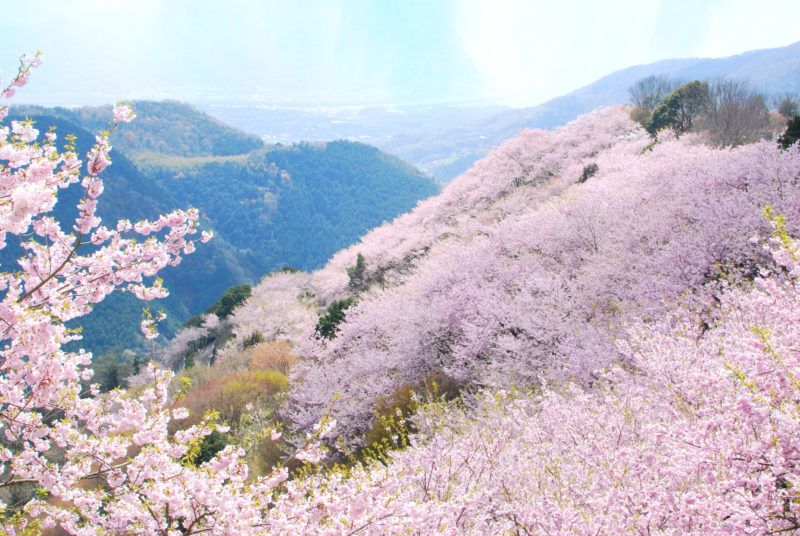
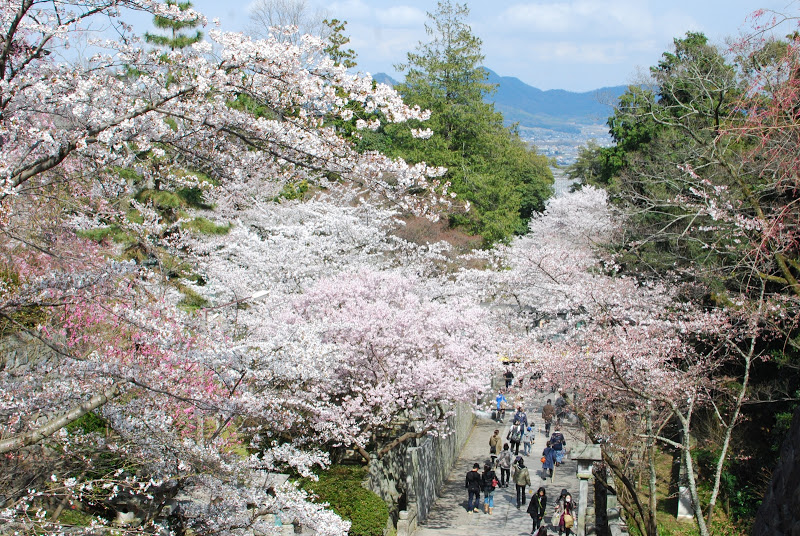
香川県のローカル鉄道ことでんに乗ってお花見をする時は、桜の挿頭丘(かざしがおか)をこえて終点の琴平まで。「こんぴらさん」として親しまれている金刀比羅宮の桜もオススメです。高松港からだと高松築港駅からことでんにのって行くのが便利。階段を登ってかいた汗は、仏生山駅で途中下車して仏生山温泉で流すコースが最高です!
Kotohira-gū (Konpira-san) is a Shinto shrine in the town of Kotohira in Nakatado District, Kagawa, Japan. This shrine is patron of sea ship transport and sailor. Konpira shrine at Kagawa pref. is known for the magnificent cherry trees as well as protectorate god of the sea. You can go there by local train Kotoden.
金刀比羅宮
場所:香川県仲多度郡琴平町892-1 [Google Maps]
Kotohira Shrine (popularly known as Konpira-san).
Place : 892-1 Kotohira town, Tadotsu gun Kagawa pref. [Google Maps]
Kotohira is a town located in Nakatado District, Kagawa Prefecture, Japan. The town is best known as the site of Shikoku’s largest shrine complex, the Kotohira Shrine (popularly known as Konpira-san).
金刀比羅宮は、「こんぴらさん」の愛称で親しまれる海の守り神で、全国の金刀比羅神社の総本宮です。参道入口から御本宮までは785段、奥社までは1,368段の石段が続き、多くの参拝者が全国から訪れます。
境内には約3,500本の桜があり、春には表参道の「桜馬場」を中心に華やかな花見が楽しめます。また、毎年4月10日には桜の散る時期に疫病退散を願う伝統行事「桜花祭」が行われ、神職や巫女の優雅な行列や舞が奉納されます。
周辺には旧金毘羅大芝居(金丸座)などの見どころも多く、参道には土産物店や讃岐うどんの店が並ぶなど、歴史・信仰・観光が一体となった魅力的なスポットです。
Kotohira-gu, affectionately known as ‘Konpira-san’, is the guardian deity of the sea and the head shrine of all Konpira shrines across Japan. A stone staircase of 785 steps leads from the entrance of the approach to the Main Shrine, and a further 1,368 steps lead to the Inner Shrine, attracting many worshippers from all over the country.
There are approximately 3,500 cherry trees within the grounds, and in spring, visitors can enjoy spectacular cherry blossom viewing, centred around the ‘Sakura-baba’ area along the main approach. Furthermore, on 10 April each year, the ‘Sakura Festival’ is held—a traditional event held during the time when the cherry blossoms are falling to pray for the warding off of epidemics—featuring elegant processions and dances performed by Shinto priests and shrine maidens.
The surrounding area boasts many attractions, such as the former Konpira Grand Theatre (Kanamaruza), and the approach is lined with souvenir shops and Sanuki udon restaurants, making it a charming spot where history, faith and tourism come together.
2024/04/11撮影

金丸座


四国開発の先覚者 大久保諶之丞(おおくぼ じんのじょう)

1849年(嘉永2年)財田上の村(現、三豊市財田町)に生まれる。 四国新道の開削を提唱、多度津-琴平-阿波池田-高知と、 高知-久万-松山、丸亀-金蔵寺の3路線の全長280km、 幅員7間(12.6m)、山間部でも3間半 (6.3m)という車のなかった時代の大胆な計画、明治19年(1886年)着工、多くの反対や困難、 予算不足を私財を投じて克服、4年後の明治23年(1890年)多度津-猪鼻峠間と、丸亀-金蔵寺間の讃岐新道が完成。
金蔵寺-琴平間の約7kmの直線道路は全国的にも珍しい。
四国新道の全線開通はその4年後。その3年前、香川県議会議員として討議中、病魔に倒れ、その竣工を見届けることなく明治24年 (1891年)42歳で世を去る。四国新道のみならず、明治22年(1889 年)讃岐鉄道(丸亀-多度津-琴平間の15.6km)の敷設にも尽力、 開通式の祝辞の中で「塩飽諸島を橋台として山陽鉄道に架橋連結せしめば常に風波の憂いなく実に南来北向、東奔西走、瞬時を費やさず。それ国利民福是より大なるはなし」と瀬戸大橋の構想を披瀝。
さらに吉野川導水(現在の香川用水)の提言や北海道(洞爺村)への開拓移民を推進した。


ことでん


金刀比羅宮(ことひらぐう)旭社(あさひのやしろ)。
旭社は、金刀比羅宮にある壮麗な社殿で、1837年(天保8年)に建立された高さ約18mの大規模建築です。もとは神宮寺の金堂として建てられ、明治期に神社建築へと改められました。

銅板葺(どうばんぶき)・総欅造(そうけやきづくり)の二重入母屋造(にじゅういりもやづくり)で、天保美術(てんぽうびじゅつ)の粋を集めた華麗な装飾が特徴。屋根裏の巻雲(けんうん)や、柱や扉に施された人物・鳥獣・草花の精緻な彫刻など、江戸時代末期の技術と意匠が随所に見られます。正面には綾小路有長の筆による扁額(へんがく)が掲げられ、その荘厳さから本宮と見間違える参拝者もいるほどです。
Kotohira-gu, Asahi-no-Yashiro.
Asahi-no-Yashiro is a magnificent shrine hall located within Kotohira-gu; it is a large-scale structure, approximately 18 metres high, built in 1837 (the 8th year of the Tenpō era). Originally constructed as the main hall of a temple, it was converted into a shrine building during the Meiji period.
Constructed with copper-clad roofing and entirely of Japanese zelkova wood, it features a double-hip-and-gable roof structure and is characterised by its magnificent ornamentation, which epitomises the finest of Tenpō-period art. Evidence of the craftsmanship and design of the late Edo period can be seen throughout, such as the swirling cloud motifs in the eaves and the intricate carvings of figures, birds, beasts and flowers adorning the pillars and doors. A plaque inscribed by Ayakoji Arinaga hangs on the façade; its solemnity is such that some worshippers mistake it for the main shrine.
御本宮。金刀比羅宮は、琴平町の象頭山中腹に位置する神社で、神仏分離を経て再編された独特の境内構成を持ちます。明治期に整えられた御本宮は、素木を基調に木地蒔絵を施した社殿で、床や天井の高さを変化させる構成や多用された破風屋根が荘厳な雰囲気を生み出しています。別宮も同様に格式高く、両宮を長い南渡殿で結ぶ配置が特徴的です。

境内には神楽殿や御炊舎などの建物も残り、神仏分離による歴史的変遷を今に伝える貴重な景観が広がります。参拝には785段の石段を上る必要があり、登りきった先からは讃岐平野や瀬戸内海を望む絶景が広がります。四季の祭礼や神事も行われ、歴史と信仰、景観が一体となった魅力ある場所です。
The Main Shrine. Kotohira-gu is a Shinto shrine situated on the slopes of Mount Zōzu in Kotohira Town, and features a unique layout that was reorganised following the separation of Shinto and Buddhism. The Main Shrine, completed during the Meiji period, is a wooden structure finished with maki-e lacquerwork. Its design, which features varying floor and ceiling heights, and the extensive use of gabled roofs, creates a solemn atmosphere. The Branch Shrine is equally distinguished, and the layout is characterised by the long Nanto-den hall connecting the two shrines.
The precincts also preserve buildings such as the Kagura-den (Kagura Hall) and the O-taki-sha (kitchen), presenting a valuable landscape that conveys the historical changes brought about by the separation of Shinto and Buddhism. To visit the shrine, one must climb 785 stone steps; at the top, a spectacular view of the Sanuki Plain and the Seto Inland Sea unfolds. With seasonal festivals and Shinto rituals held throughout the year, it is a charming place where history, faith and scenery come together as one.
—

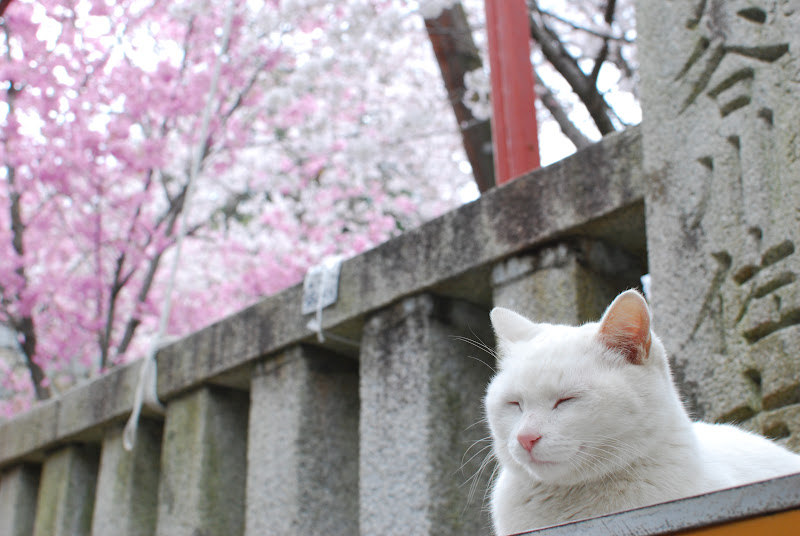
猫も気持ちよさそうに寝ています。


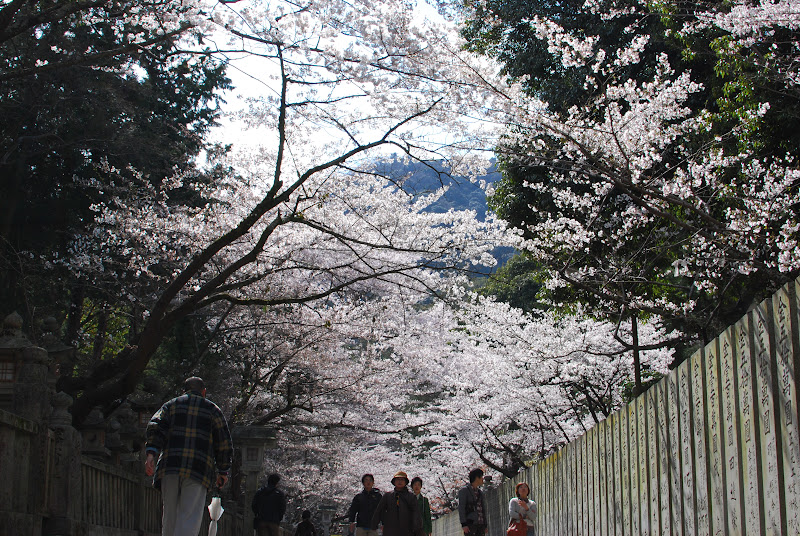


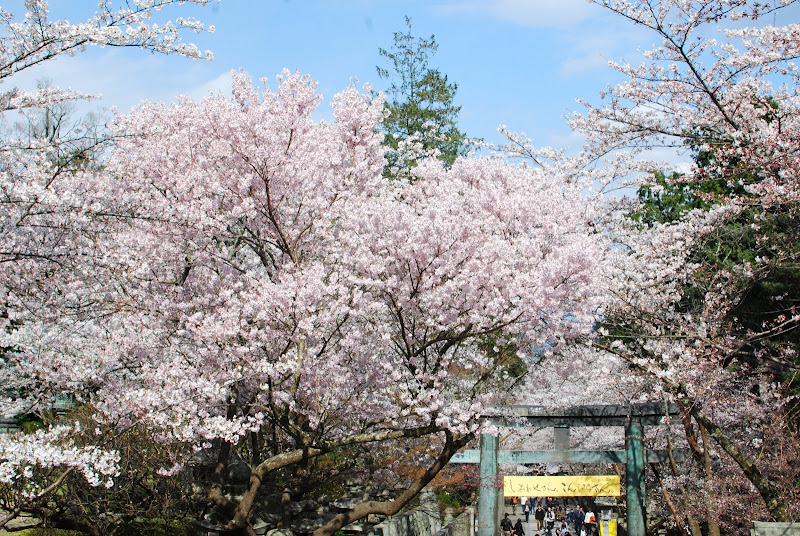


金刀比羅宮
場所:香川県仲多度郡琴平町892-1 [Google Maps]
Kotohira Shrine (popularly known as Konpira-san).
Place : 892-1 Kotohira town, Tadotsu gun Kagawa pref. [Google Maps]
Kotohira-gū (also known as Konpira-dai-gongen, Konpira-san, or Konpira Shrine in English) is a Shinto shrine in the town of Kotohira in Nakatado District, Kagawa, Japan. This shrine is patron of sea ship transport and sailor.
Located at 521 metres (1,709 ft) halfway to the top of Mount Zōzu, the shrine stands at the end of a long path, with 785 steps to the main shrine and a total of 1368 steps to the inner shrine. Since the Muromachi period, pilgrimages to the shrine became popular, and even today usually hundreds of visitors in a day climb the steps of Mount Zōzu. On the way to the shrine is a sake museum, stores, and stones with the names of donors carved in kanji.
Before the Meiji period, Kotohira Shrine was also a Buddhist site as well.
History
It is said to have been founded during the 1st century.[citation needed]
The principal kami of the shrine is Ō-mono-nushi-no-mikoto, a spirit associated with seafaring (also referred to as the Buddhist deity Konpira). In 1165 the spirit of Sutoku-Tennō was also enshrined.
Before the Meiji period it was known as Konpira-Daigongen, and it stood at the head of the nationwide group of shrines bearing the names Kompira and Kotohira. The ema hall is the site of prayers for safe seafaring.
From 1871 through 1946, Kotohira was officially designated one of the Kokuhei Chūsha, meaning that it stood in the mid-range of ranked, nationally significant shrines.
売り上げランキング: 7,233
More from my site
 屋島で出会う春景色。瀬戸内海と桜が織りなす絶景散歩 – Spring scenery on Yashima: a stroll through the breathtaking views created by the Seto Inland Sea and cherry blossoms
![【香川 3/27-4/5】大名庭園 栗林公園、春のライトアップ – [Kagawa 27 Mar-5 Apr.] Night Cherry blossoms at Ritsurin Garden](https://yousakana.jp/wp-content/uploads/2024/03/Night-Cherry-blossoms-at-Ritsurin-Garden_title-2048x1366-1-150x150.jpg) 【香川 3/27-4/5】大名庭園 栗林公園、春のライトアップ – [Kagawa 27 Mar-5 Apr.] Night Cherry blossoms at Ritsurin Garden
【香川 3/27-4/5】大名庭園 栗林公園、春のライトアップ – [Kagawa 27 Mar-5 Apr.] Night Cherry blossoms at Ritsurin Garden 四国・瀬戸内の絶景の桜まとめ – Beautiful cherry trees of Shikoku and Setouchi islands
 香川・桜のトンネル『竜桜(りゅうおう)公園』 – “Ryuo Park” Tunnel of cherry blossoms
 【高松で桜が開花しました】開花宣言は栗林公園から!大名庭園にある標本木。
 瀬戸内海の鬼ヶ島、女木島の桜 – Cherry blossoms of Megi island
 【高松市は松盆栽シェア8割!】大名庭園栗林公園桜は松越しに見る There are 350 cherry blossom trees in Ritsurin garden.
![【香川 3月中旬】堀池のしだれ桜 – [Kagawa Mid-March.] Weeping cherry of Horike](https://yousakana.jp/wp-content/uploads/2021/03/Panorama_sakura_horike-150x150.jpg) 【香川 3月中旬】堀池のしだれ桜 – [Kagawa Mid-March.] Weeping cherry of Horike
【香川 3月中旬】堀池のしだれ桜 – [Kagawa Mid-March.] Weeping cherry of Horike 【島の固有種】小豆島の常光寺にしか咲かない桜、「ジョウコウジザクラ」
 水面に映る桜、鹿の井出水(しかのいですい) – “Shikanoidesui” Deer well water
コメントを残す