

![【香川】萩寺、最明寺 - [Kagawa] Saimyoji Temple](https://yousakana.jp/wp-content/uploads/wordpress-popular-posts/51419-featured-120x120.jpeg)

![【香川】エコで涼しい!高鉢山の風穴 - [Kagawa] Blowing cave of Mt. Takahashiyama](https://yousakana.jp/wp-content/uploads/wordpress-popular-posts/52188-featured-120x120.jpg)

![【香川】春日川の川市 – [Kagawa] River market of Kasuga river](https://yousakana.jp/wp-content/uploads/wordpress-popular-posts/49605-featured-120x120.jpeg)


![【香川】建築家・山本忠司。風土に根ざし、地域を育む建築 – [Kagawa] Architect Tadashi Yamamoto](https://yousakana.jp/wp-content/uploads/2019/02/Seto-Inland-Sea-History-Folk-Museum-3-800x535.jpg)
![【香川】ダブルダイヤモンド讃岐富士 – [Kagawa] Double Diamond Mt. Sanukifuji](https://yousakana.jp/wp-content/uploads/2021/08/Double-Diamond-Mt.-Sanukifuji-800x533.jpg)
![【小豆島 11/9】狂言・農村歌舞伎公演 in 棚田の里(瀬戸内国際芸術祭) – [Shodoshima island Nov. 9] Kyogen and Rural Kabuki Performance in Tanada no Sato (Setouchi International Art Festival)](https://yousakana.jp/wp-content/uploads/2014/08/nousonkabuki-800x536.jpg)
![【香川】牡蠣消費日本一は高松市!牡蠣焼き『鹿酔庵(ろくすいあん)』 – [Kagawa] Takamatsu City is Japan’s largest consumer of oysters! Oyster Grill ‘Rokusuian’.](https://yousakana.jp/wp-content/uploads/2024/01/oyster-bbq-800x533.jpeg)
![【愛媛】宇和島の牛鬼。秋祭り – [Ehime] Autumn festival at Uwajima city, Ehime pref.](https://yousakana.jp/wp-content/uploads/2019/10/Ushioni_Uwajima.jpg)
![【香川】あの世へ向かう銀河鉄道のよう。与島の盆踊り – [Kagawa] Bon dance of Yoshima Island](https://yousakana.jp/wp-content/uploads/2023/08/yoshima_bondance-800x533.jpg)
![【香川 8/1】仁尾 竜まつり – [Kagawa 1 Aug] Nio Dragon Festival](https://yousakana.jp/wp-content/uploads/2024/08/nio-dragon-festival-01-2048x1365-1-800x533.jpeg)
![【徳島】神山町江田、棚田に菜の花の黄色い絨毯 – [Tokushima] The beautiful field mustard at Kamiyama](https://yousakana.jp/wp-content/uploads/2016/03/nanohana-kamiyama-800x533.jpg)
![【香川 / 伊藤若冲】塩飽大工最後の家。本島・吉田邸 – [Kagawa / Jakuchu Ito] Yoshida House of Honjima island](https://yousakana.jp/wp-content/uploads/2018/10/yoshida-house-honjima-island-1-800x534.jpg)
![【香川】丹下健三設計の旧香川県立体育館 – [Kagawa] Former Kagawa Prefectural Gymnasium](https://yousakana.jp/wp-content/uploads/2021/07/Kagawa-Prefectural-Gymnasium-800x533.jpg)
![【香川】いい香り、港の小さな薔薇園 – [Kagawa] Small rose garden at Takamatsu port.](https://yousakana.jp/wp-content/uploads/2019/05/rose-garden-takamatsu-800x533.jpg)
![【香川 8/23】『滝宮の念仏踊』ユネスコ無形文化遺産 – [Kagawa 23 Aug.] “Takinomiya no Nenbutsu Odori” UNESCO Intangible Cultural Heritage.](https://yousakana.jp/wp-content/uploads/2023/08/takinomiya-nenbutsu-dance-800x533.jpeg)
![【淡路島】丹下健三設計『戦没学徒記念 若人の広場』 – [Awajishima island] “Memorial of War Dead Students, Youth Plaza” designed by architect Kenzo Tange](https://yousakana.jp/wp-content/uploads/2022/08/awaji-island_kenzo-tange-800x534.jpg)
![【創業幕末!】うどん県最古『ヨコクラうどん』 – [Since Edo period] The oldest udon shop in Kagawa Pref. “Yokokura Udon”](https://yousakana.jp/wp-content/uploads/2021/12/yokokura-udon_takamatsu-kagawa_index-800x533.jpg)

![【香川 1/11】高松市消防出初式 – [Kagawa 11 Jun] The Firefighter New Year’s Ceremony](https://yousakana.jp/wp-content/uploads/2026/01/The-Firefighter-New-Years-Ceremony-800x533.jpg)
![【香川】高松市は松盆栽の全国シェア80%!『高松盆栽の郷』 – [Kagawa] Bonsai Village of Takamatsu](https://yousakana.jp/wp-content/uploads/2021/01/takamatsu-bonsai-village-01-800x534.jpg)
![【徳島】果樹園がつくる20種類以上の無添加シロップ『川添フルーツ』 – [Tokushima] Kawazoe Fruit](https://yousakana.jp/wp-content/uploads/2021/02/kawazoe-fruit_tokushima_small-800x533.jpg)
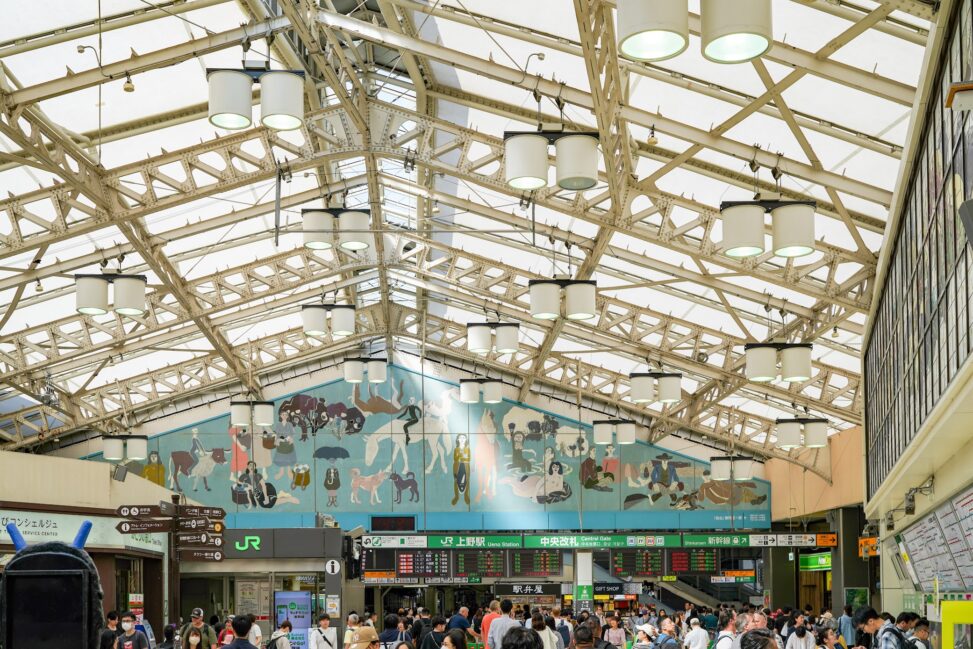
3月1日(日)から、丸亀市猪熊弦一郎現代美術館(MIMOCA)で企画展「上野駅と猪熊弦一郎の《自由》」 (Ueno Station and Genichiro Inokuma’s Freedom Mural) が開幕します。
JR上野駅・中央改札上部にある猪熊弦一郎の壁画《自由》が、2026年3月初旬に修復を終え、お披露目予定です。戦後間もない1951年、「北の玄関口」上野駅に希望と明るさを届けるために描かれたこの壁画。天窓からの光や湿気による劣化を受け、今回で3回目となる大規模修復が行われてきました。修復は、2025年度末の「文化創造HUB」リニューアルに合わせて実施。改修後は、壁画の前を遮っていた設備が撤去され、作品全体をより見渡せる空間に生まれ変わります。戦後復興の記憶と、いまを生きる私たちをつなぐ《自由》。駅を行き交う人々を見守り続けてきた“希望の壁画”が、次の世代へと引き継がれます。
From Sunday, 1 March, the special exhibition ‘Ueno Station and Genichiro Inokuma’s Freedom Mural’ will open at the Marugame City Genichiro Inokuma Museum of Contemporary Art (MIMOCA).
Genichiro Inokuma’s mural Freedom, located above the central ticket gates at JR Ueno Station, is scheduled to be unveiled following restoration work completed in early March 2026. Created in 1951, shortly after the war, this mural was painted to bring hope and brightness to Ueno Station, the ‘Northern Gateway’. Having suffered deterioration due to light from the skylight and humidity, it has now undergone its third major restoration. The restoration coincides with the renewal of the ‘Culture Creation HUB’ scheduled for the end of fiscal year 2025. Following the refurbishment, equipment obstructing the view of the mural will be removed, transforming the space into one where the entire work can be more fully appreciated. “Freedom” connects the memory of post-war reconstruction with us living in the present. This ‘mural of hope’, which has watched over the people passing through the station, will be passed on to the next generation.
上野駅と猪熊弦一郎の《自由》 | 展覧会 | MIMOCA 丸亀市猪熊弦一郎現代美術館
上野駅と猪熊弦一郎の《自由》
Ueno Station and Genichiro Inokuma’s Freedom Mural
日程:2026年3月1日(日)-6月28日(日)
休館:月曜日(5月4日は開館)、5月7日(木)
場所:丸亀市猪熊弦一郎現代美術館(MIMOCA)[Google Maps]Ueno Station and Genichiro Inokuma’s Freedom Mural
Dates: Sunday 1 March – Sunday 28 June 2026
Closed: Mondays (open on 4 May), Thursday 7 May
Venue: Marugame City Genichiro Inokuma Museum of Contemporary Art (MIMOCA)[Google Maps]JR東日本上野駅の中央改札には、猪熊弦一郎の大壁画《自由》が掲げられています。1951年、戦後の混乱期に描かれたこの壁画は、東京の「北の玄関口」と呼ばれる上野駅の象徴的な存在となり、70年以上に渡って行き交う人々を見守ってきました。
物資不足で適した材料が調達できなかった制作当時の事情と、駅という開かれた環境によって、この壁画は傷みやすく、これまで三度修復が施され、存続が図られてきました。2025年5月に始まった三度目の修復では、壁画前に設置された「『自由』を修復しています」という横断幕が意味深長とSNSで話題になり、壁画自体も注目されました。
《自由》の修復を含め、現在リニューアル工事が進行するJR上野駅グランドコンコースでは、クリエイティブユニットSPREADが《自由》から採集した色彩を現代的にアレンジした色の組み合わせ「フリーダムカラー」を、駅構内の看板や施設の内装デザインに用いることで駅全体の調和を図る計画も進んでいます。
本展では、上野駅の壁画《自由》に焦点を当て、その成り立ちから現在までをご紹介します。《自由》というタイトル、「絵画は独占するものでなくより多くの人々を喜ばせ、みちびくもの、多くの人々のためになるべきもの」という猪熊の言葉、それぞれに込められた画家の思いを再考する機会となれば幸いです。At the central ticket gates of JR East Ueno Station hangs Genichiro Inokuma’s large-scale mural Freedom. Created in 1951 during the post-war turmoil, this mural became an iconic presence at Ueno Station, known as Tokyo’s ‘northern gateway’, watching over the comings and goings of people for over 70 years.
Due to material shortages during its creation and the exposed environment of the station, the mural is prone to deterioration. It has undergone three restorations to ensure its preservation. The third restoration, commencing in May 2025, drew attention to the mural itself when a banner reading ‘Restoring “Freedom”’ displayed before it became a topic of discussion on social media for its profound meaning.
In the ongoing renovation works at JR Ueno Station’s Grand Concourse, which includes the restoration of “Freedom”, plans are also advancing to harmonise the entire station. This involves using “Freedom Colours” – a contemporary arrangement of hues collected from “Freedom” by creative unit SPREAD – in signage and interior designs throughout the station.
This exhibition focuses on the mural “Freedom” at Ueno Station, tracing its origins to the present day. We hope this exhibition provides an opportunity to reconsider the title “Liberty”, Inokuma’s words that ‘paintings should not be monopolised but should delight and guide more people, serving the greater good’, and the artist’s intentions embodied in each.
ーーー
上野駅中央改札上部の壁画《自由》(1951年)は、戦後の暗い雰囲気に包まれていた上野駅を、明るく希望のある場所にしたいという思いから制作されました。広告代理店の小林利雄の提案をきっかけに、アンリ・マティスに学んだ画家・猪熊弦一郎が手がけた作品です。画面にはスキーヤーや裸婦、労働者、人々や動物など、さまざまなモチーフがコラージュのように描かれ、駅に集う多様な人生や旅立ちの気配が「自由」というテーマのもとに表現されています。この壁画は、都市を飾るための装飾ではなく、日常の中で人々に希望と喜びを届ける芸術として構想され、建築と一体となることも強く意識して制作されました。制作から70年以上が経った今もなお、上野駅を行き交う人々を静かに見守り続けています。
The mural entitled Freedom (1951), located above the central ticket gates at Ueno Station, was created with the intention of transforming the station—then shrouded in the sombre atmosphere of the post-war period—into a brighter, more hopeful place. Inspired by a proposal from advertising executive Toshio Kobayashi, the work was executed by the painter Genichirō Inokuma, who had studied under Henri Matisse. The canvas features a collage-like arrangement of diverse motifs: skiers, nude figures, labourers, people, and animals. These elements express the theme of “Freedom”, capturing the essence of the varied lives and departures gathered at the station. Conceived not merely as decoration for the city, but as art intended to bring hope and joy to people in their daily lives, the mural was also created with a strong emphasis on its integration with the architecture. Even now, over 70 years after its creation, it continues to quietly watch over the people passing through Ueno Station.
猪熊弦一郎『自由』(1951年)
JR上野駅中央改札口
「戦後の物のない殺伐たる時代。もっと自由な気持ちで物の本質を見ようと“人間の自由”を訴えたかった」
Genichiro Inokuma, Freedom (1951).
Central ticket gate, JR Ueno Station.
‘In the bleak post-war period, when there was nothing to see. I wanted to appeal for ‘human freedom’ to look at the essence of things with a freer mind.’
「自由」 猪熊弦一郎
住所:東京都台東区上野7-1-1 JR上野駅 1F中央改札 [Google Maps]
Genichiro Inokuma, Freedom
Address : Central ticket gate, JR Ueno Station, 7-1-1 Ueno, Tokyo [Google Maps]
2024/05/25 上野駅

JR上野駅 1F中央改札

白い馬や挨拶している犬。逆さまの馬。傘を指す人。

水浴び、休憩する人々。馬

牛に乗る人。りんごを運ぶ人。当時は、上野駅が青森など東北と東京をつなぐ玄関口でした。

休憩している木こりや猟師。のこぎりが置いてあります。右下に、「自由」猪熊弦一郎作。

「自由」 猪熊弦一郎
住所:東京都台東区上野7-1-1 JR上野駅 1F中央改札 [Google Maps]
Genichiro Inokuma, Freedom
Address : Central ticket gate, JR Ueno Station, 7-1-1 Ueno, Tokyo [Google Maps]
東京・上野駅


【香川】美術館は心の病院『丸亀市猪熊弦一郎現代美術館』 – [Kagawa] Art is a Vitamin “MIMOCA” | 物語を届けるしごと

上野駅と猪熊弦一郎の《自由》 | プレスルーム | MIMOCA 丸亀市猪熊弦一郎現代美術館
1章.上野駅について
上野駅は、1883年(明治16)に開業し、2023年(令和5)に開業140周年を迎えました。長い歴史を持つ、東京を代表する駅の一つで、東北や北陸方面行きの列車が発着する東京の「北の玄関口」として親しまれてきました。多くの人が行き交う交通の要所でありながら、周辺には自然豊かな上野恩賜公園や多様な文化施設、古い町並み、情緒あふれる下町文化が広がっています。今展では、上野駅の歴史を年表でたどり役割や特徴を紹介するとともに、その歴史に含まれる猪熊の壁画《自由》が駅の一部としてどのように歩んできたのかを概観します。また、東日本旅客鉄道株式会社の協力により、同社が製作しJR上野駅構内で上映していた映像《上野発の名列車》も特別に展示し、上野駅の魅力に迫ります。2章.壁画《自由》について
壁画《自由》が制作された経緯、当時の制作の様子、絵に込められた作者の思いなどを下絵や資料でご紹介します。また、幅約27メートル、高さ約5メートルに及ぶ壁画の大きさを体感できるよう、壁画の外枠を原寸大で展示室の壁に型取り、そこに絵の一部を原寸大写真で再現します。さらに、別の壁に一色で塗りつぶされたもう一つの原寸大の枠に、会期中の関連プログラムを通して、参加者が少しずつ線や色を加えていく予定です。猪熊弦一郎 《自由》 1951年 撮影:木奥惠三(2025年2月)
《自由》修復中のJR上野駅グランドコンコース 撮影:木奥惠三(2025年6月)
真田将太朗氏によるX投稿 ⓒ真田将太朗
猪熊弦一郎 《自由》原画 1951年
猪熊弦一郎 《自由》下絵 1951年
猪熊弦一郎 《自由》下絵 1951年
修復中の《自由》(部分) 撮影:木奥惠三(2025年6月)
修復中の《自由》(部分) 撮影:木奥惠三(2025年6月)
《自由》修復の様子 撮影:木奥惠三(2025年6月)
《自由》修復の様子 撮影:木奥惠三(2025年6月)
SPREAD 《自由》の色彩の採集(1回目) 2024年
SPREAD 《UENO FREEDOM COLOR》 2024年
猪熊弦一郎 撮影:高橋章
Gen'ichirō Inokuma – Wikipedia
Gen’ichirō Inokuma (猪熊弦一郎, Inokuma Gen’ichirō; born on December 14, 1902, died on May 17, 1993) was a Japanese painter. Inokuma is best known for his large-scale abstract paintings that allude to industrial landscapes, ladders, rail tracks, derricks, cranes, urban maps, and city planners’ blueprints.
Biography
Early life and career (1902–1935)
Gen’ichirō Inokuma was born in Takamatsu City, Kagawa Prefecture in 1902. Inokuma graduated from Marugame Middle School (丸亀中学校) in Marugame City in 1921 and then moved to Tokyo to study Western-style painting (Yōga) at a private art school, Hongō Painting Institute (Hongō yōga kenkyūjo; 本郷洋画研究所) founded by Saburōsuke Okada.: 97 The following year, he was admitted to the Tokyo School of Fine Arts (Tōkyō bijutsu gakkō; 東京美術学校; present Tokyo University of the Arts), continuing his education under Takeji Fujishima. His classmates at the Tokyo School of Fine Arts included Ryōhei Koiso, Takanori Ogisu, Kenzō Okada, Noriyuki Ushijima, and Takeo Yamaguchi.
猪熊 弦一郎(いのくま げんいちろう、1902年〈明治35年〉12月14日 – 1993年〈平成5年〉5月17日)は、昭和期の洋画家。新制作協会創立会員。 「絵を描くには勇気がいる」とよく口にし、新しいものへ挑戦し続けた彼の画業は多くの人の心を捉えている。 丸亀市にある猪熊弦一郎現代美術館(設計:谷口吉生)には、猪熊の作品が常設展示されている。建築家・丹下健三が設計した香川県庁舎の壁画は、猪熊の作である。
コメントを残す